Safer communities, shared spaces: The role of Coexistence Meetings
Katarniaghat, 20th March 2026: Coexistence meetings, or Alochana Sabhas, are community-based engagement platforms designed to promote safe and sustainable living alongside wildlife in conflict-prone landscapes. These meetings bring together local communities, Forest Department officials, and field teams to discuss challenges, share experiences, and identify practical solutions for minimising human–wildlife conflict (HWC). By fostering open dialogue and participation, these platforms help build trust, awareness, and a shared sense of responsibility towards conservation.
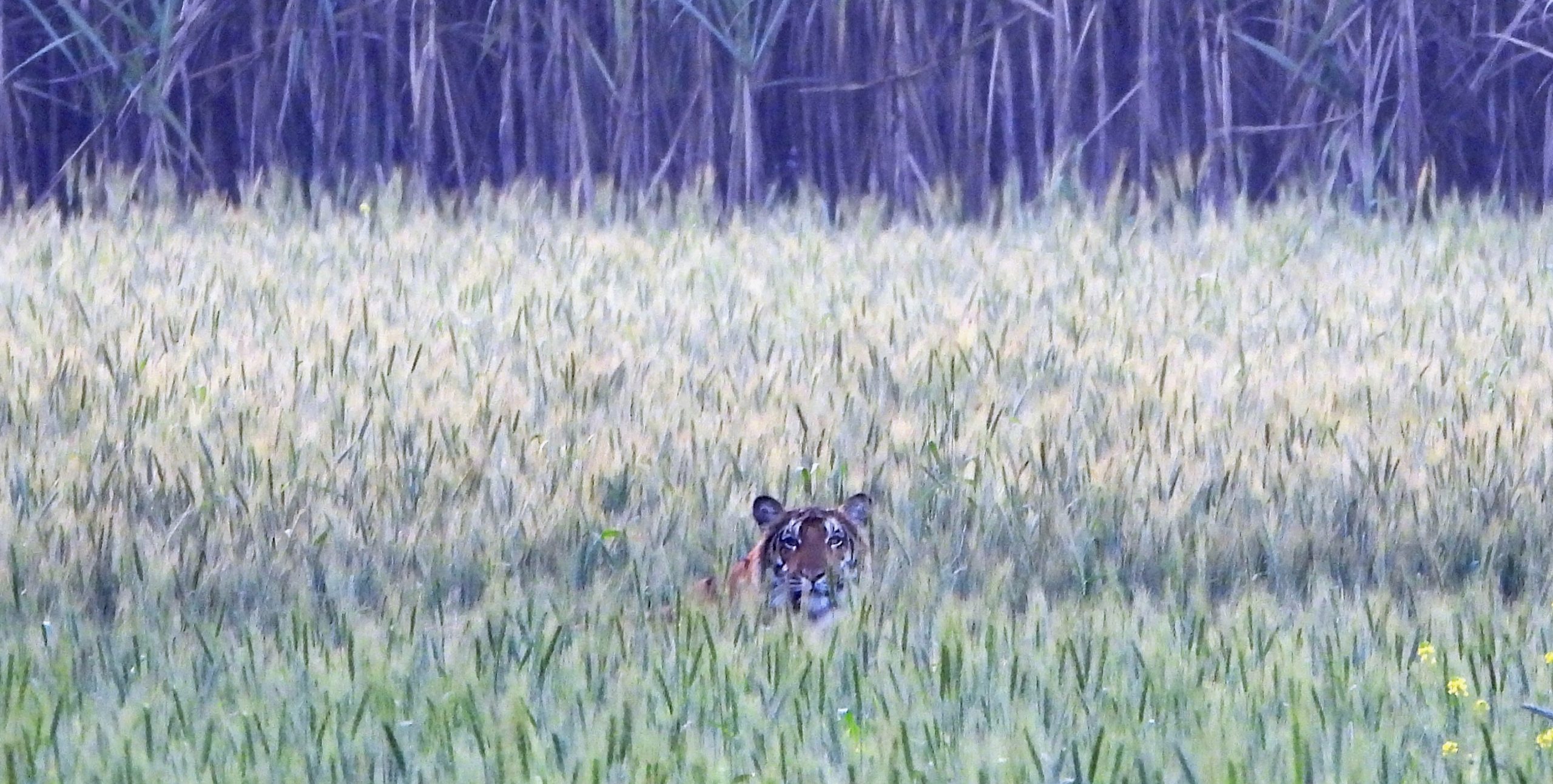
In the Terai landscape, where forests and human settlements exist in close proximity, such initiatives are particularly crucial. Areas like Katarniaghat Wildlife Sanctuary (KWLS) frequently witness interactions between humans and wildlife, including large carnivores, elephants, and crocodiles. In this context, coexistence meetings serve as an important preventive tool, enabling communities to better understand risks and adopt safe practices. Between April 2025 and March 2026, the Rapid Response Team (RRT) under WTI’s Terai Tiger Project team conducted a total of 13 such meetings across the landscape, reaching over 1,600 participants. These meetings have played a crucial role in strengthening community awareness and promoting safe human–wildlife coexistence.
A recent example is the Coexistence meeting conducted in Aamba village, located along the Indo–Nepal border in the Katarniya Range of KWLS. Organised by the RRT (in coordination with the Forest Department and village leadership, the meeting was held in response to recent human–wildlife conflict incidents reported in the area.
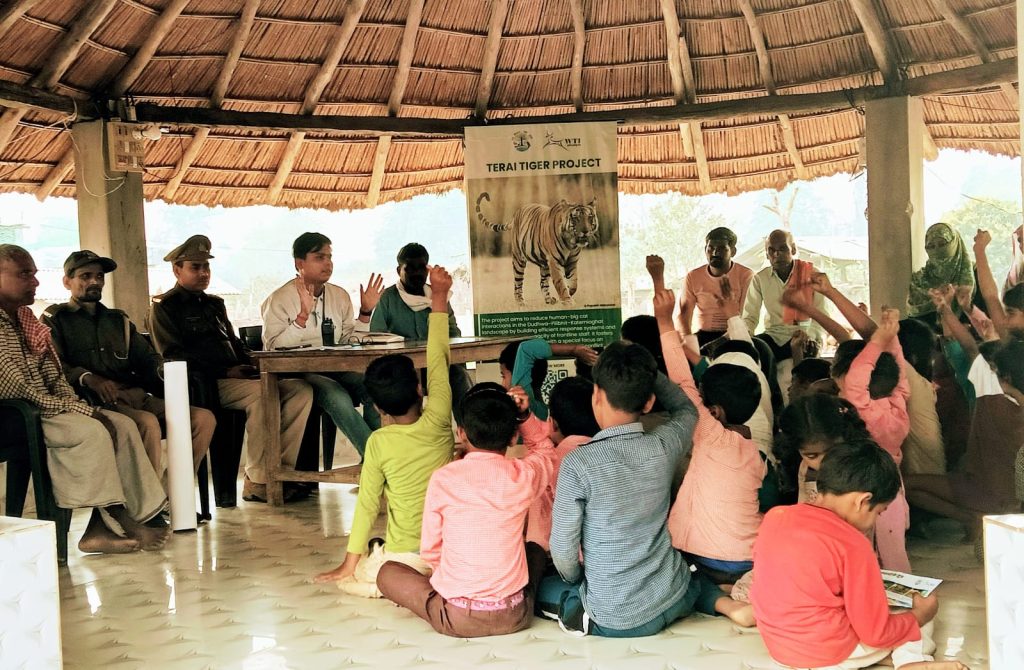
Coexistence meetings are playing a key role in fostering an empowered community | Photo © Team WTI
The meeting saw participation from 68 individuals, including village heads from Aamba–Bichia border villages, members of Village Development Committees (VDCs), Panchayat representatives, frontline workers such as Anganwadi staff and teachers, as well as children. In regions such as Katarniaghat, children are particularly vulnerable to human–wildlife conflict. Engaging them early fosters awareness, promotes safer behaviour, and supports long-term coexistence.
During the session, the RRT team shared practical safety guidelines for the coming days, including precautions such as avoiding solitary movement in vulnerable areas, recognising sensitive time zones, and adopting safer daily and agricultural practices. Special emphasis was placed on childrens’ safety, with clear advisories not to leave them unattended, even within household premisesand to avoid sending them alone for activities like livestock grazing.
The meeting also covered broader aspects such as Open Defecation Free (ODF) practices, safe crop harvesting methods, and a basic understanding of wildlife behaviour. Informational pamphlets and posters were handed over to participants and village heads for display at prominent locations, ensuring continued awareness within the community.
The significance of coexistence meetings lies in their participatory and preventive approach. They empower communities with knowledge and practical tools, strengthen coordination with authorities, and encourage behavioural change to reduce risks. In conclusion, meetings like the one held in Aamba village play a vital role in bridging the gap between people and wildlife, fostering a culture of coexistence, and supporting long-term conservation efforts in sensitive landscapes like Katarniaghat Wildlife Sanctuary.