Conflict Mitigation & Coexistence

Big Idea: Demonstrate six innovative and replicable models of Human-Wildlife Conflict mitigation to catalyse appropriate changes in policy.

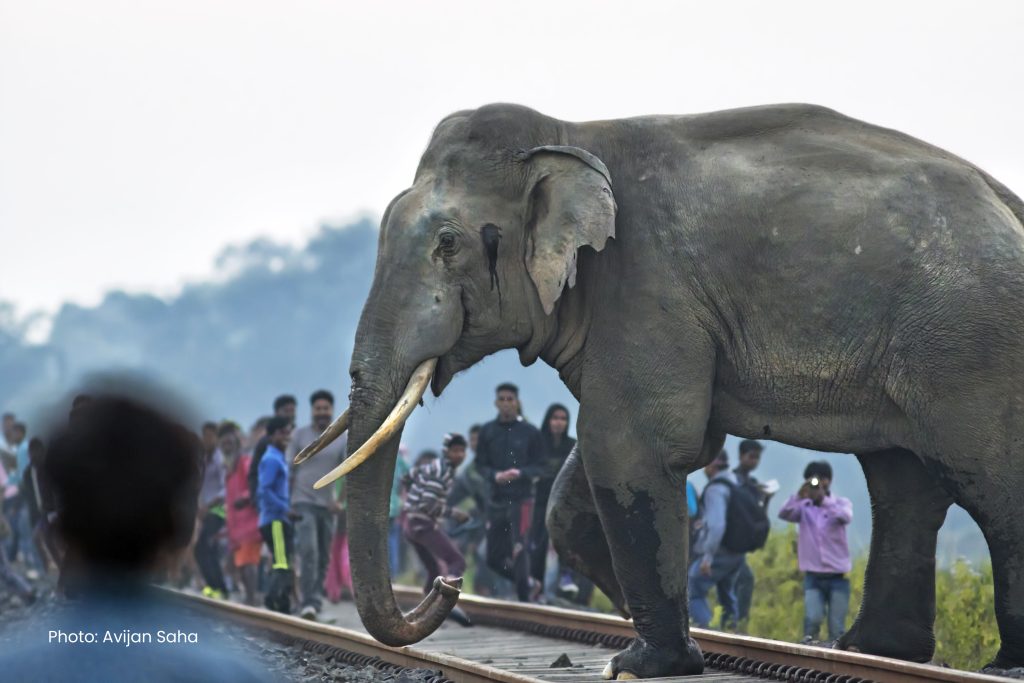
Conflict between humans and large carnivores is a growing issue nationwide, and WTI has been successfully implementing proactive strategies towards mitigating such conflicts and fostering coexistence, through a comprehensive approach that can be broadly categorised into the following thematic areas:

Human-wildlife conflict-prone & Co-existence landscapes (Co-Ex Scapes) with the goal of designating conflict-prone areas, prioritising human-wildlife conflict mitigation and strengthening coexistence as a pilot.

  • Rapid Response Team (RRT) comprising a biologist, a sociologist and a veterinary doctor providing immediate specialised technical response to human-wildlife conflict situations.
  • Primary Response Team (PRT) comprising local community volunteers providing immediate response to human-wildlife conflict situations by securing the conflict site, supporting victims with first aid, assisting forest and police departments, and crowd management. 
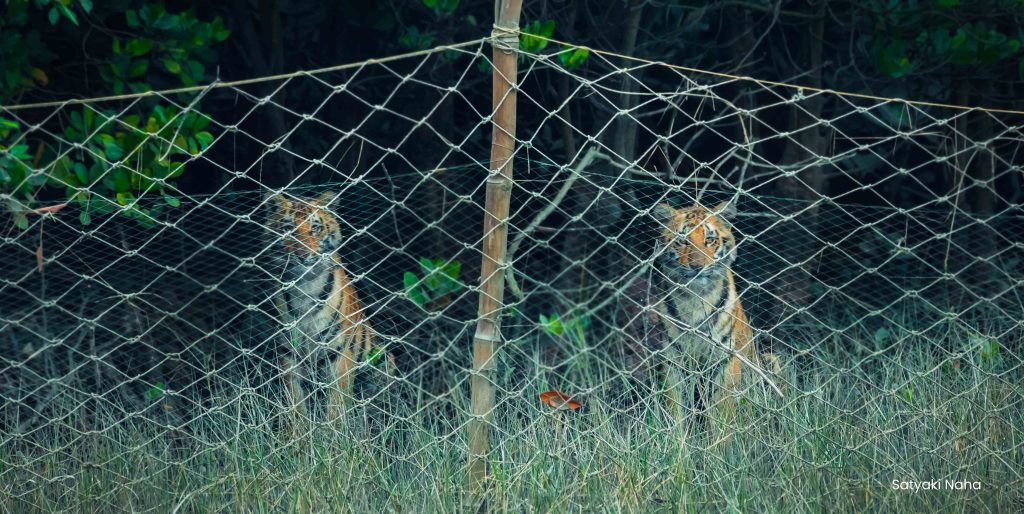
  • Community-led & community-managed barriers based on scientific need assessment to prevent human-wildlife conflict using locally appropriate physical and/or psychological barriers.
  • Suraksha kavach (measures to protect wild animals, human & livestock), protecting wild animals from retaliation, and humans and livestock from depredation by wild predators through participatory protection measures.
  • Prahari (early warning & animal detection measures) to detect wildlife, alert local people & relevant stakeholders in select conflict-prone areas
  • Prakritishala (nature interpretation hubs) serve as platforms for sensitising the local communities (e.g. youth, women, children, farmers, resource harvesters, etc.) on behaviour change through a campaign as a pre-emptive measure.
  • Safe resource harvesting practices to improve the safety of forest-based resource harvesting practices in local communities, thereby minimising negative human-wildlife interactions.
  • Capacity building to strengthen the knowledge and skills of key stakeholders in addressing human-wildlife conflict as a pre-emptive measure through basic, advanced and refresher modules and develop an online platform of training resources for stakeholders.
  • Redefining the narrative of human-wildlife conflict by facilitating a transformation from a biased to a more nuanced narrative on conflict.

Conflict Mitigation

All the projects follow a consultative and participatory approach in planning and implementation with all significant stakeholders of the project sites, especially where community-related activities are concerned. WTI also focuses on local, regional, national and international policy on conflict mitigation, working with stakeholders at all levels.

Linkage with policies 

WTI’s Conflict Mitigation and Coexistence Division’s work directly contributes to the Government of India’s National Human-Wildlife Conflict Mitigation Strategy & Action Plan of India (MoEF&CC, 2021) and the international guidelines on human-wildlife conflict and coexistence (IUCN, 2023).

Division Lead:

Dr. Abhishek Ghoshal, an applied ecologist, has a PhD in Wildlife Science (WII), and has worked on Snow Leopards and prey species in the Indian Himalayas with Nature Conservation Foundation, Snow Leopard Trust and Wildlife Institute of India. He has also previously worked as Conservation Ecologist with the United Nations Development Programme (UNDP) & Ministry of Environment, Forests & Climate Change (MoEF&CC) and as a Conservation Scientist with the Bombay Natural History Society (BNHS). Dr. Ghoshal has contributed to about 68 scientific, technical and popular publications, and received fellowships from several prestigious institutions, such as, Smithsonian Conservation Biology Institute and International Federation of Mammalogists.


Current Projects:

  1. Terai Tiger Project, Uttar Pradesh
  2. Protecting tigers, people and their vital habitats in Sundarbans of India and Bangladesh
  3. Wayanad Conflict Mitigation Project
  4. Bandhavgarh Human-Elephant Conflict Mitigation Project

You are donating to : Greennature Foundation

How much would you like to donate?
$10 $20 $30
Would you like to make regular donations? I would like to make donation(s)
How many times would you like this to recur? (including this payment) *
Name *
Last Name *
Email *
Phone
Address
Additional Note
paypalstripe
Loading...