Project Info



Project Description
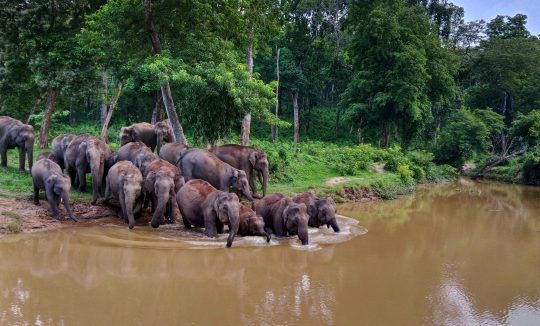
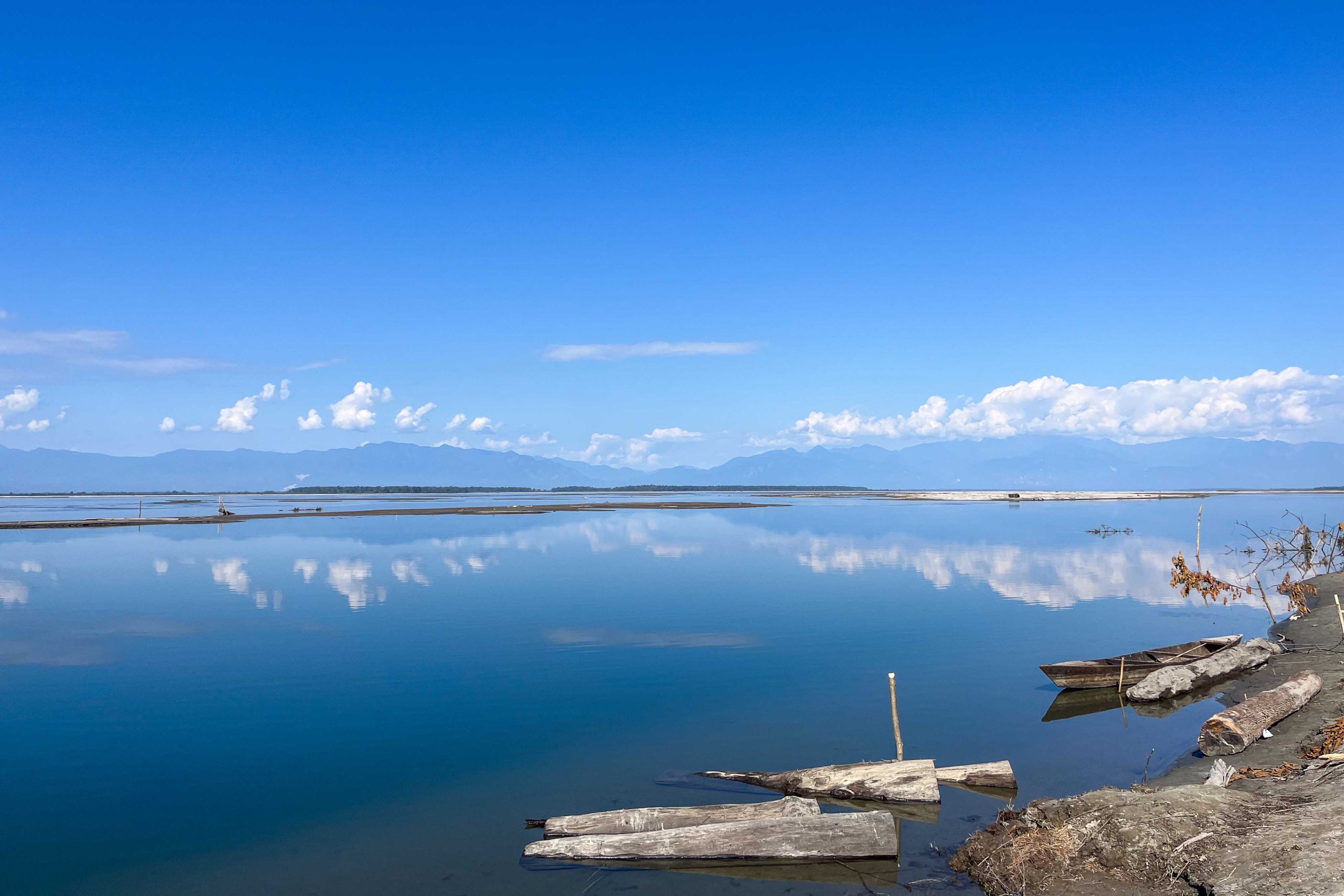
The D’Ering–Dibru Saikhowa (DDS) Elephant Corridor is one of the most important wildlife linkages in Northeast India, connecting D’Ering Wildlife Sanctuary in Arunachal Pradesh with the Dibru-Saikhowa National Park and Doomdooma Forest Division in Assam. Spanning approximately 16 km in length and 2 km in width, the corridor enables the seasonal movement of around 350-400 elephants, while also supporting species such as tiger, leopard, Asiatic wild buffalo, Assamese macaque and several other wildlife species.
Situated within the Eastern Himalayan Biodiversity Hotspot, the corridor traverses riverine grasslands, community forests, agricultural fields, settlements and the floodplains of the Siang, Dibang and Lohit rivers. However, increasing pressures from habitat degradation, settlement expansion, timber extraction, grazing and human-elephant conflict have threatened its ecological integrity and long-term functionality.
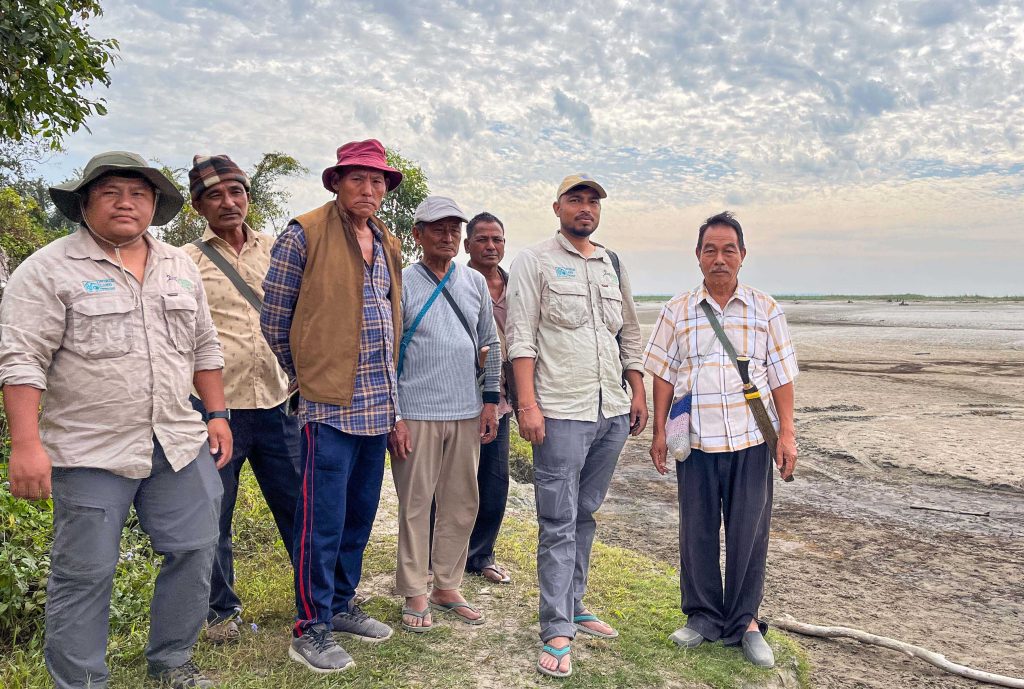
Kotgahgorah Restoration Committee representatives with the WTI team near Siang River, Paglam, Arunachal Pradesh | Photograph by Madhumay Mallik/WTI
Key interventions:
- “Community Reserve” creation: WTI is supporting the notification of community forests as Community Reserves to provide long-term legal protection to critical corridor habitat. About 675 hectares of community forest have already been approved for notification as a Community Reserve.
- Habitat Restoration: To improve habitat quality and maintain functional connectivity, degraded patches within the corridor are being restored through Active Restoration and Assisted Natural Regeneration. A total of 1,50,000 indigenous saplings of 34 native species have been planted to restore 190 hectares of degraded patches of the DDS corridor, and two community nurseries have been established, raising over 45,000 saplings
- Human-Elephant Conflict Mitigation: To reduce conflict and promote coexistence, WTI has implemented community-managed mitigation measures across the corridor landscape. Solar fencing installed in conflict-prone villages; crop damage reduced by 88.8% in beneficiary villages over the past three years; and Primary Response Teams (PRTs) to manage human-elephant negative interactions established and trained.
- Community Engagement & Sustainability Livelihoods: Conservation efforts are supported through livelihood enhancement and community participation. Over 500 families supported through fisheries, piggery and weaving initiatives; Memorandum of Understanding signed with the Arunachal Pradesh State Rural Livelihood Mission to strengthen women’s Self-Help Groups and more than 1,500 students engaged through conservation education and awareness programmes.
- Monitoring & Capacity Building: The project undertakes seasonal monitoring of wildlife movement using sign surveys and camera traps to assess corridor functionality. WTI has also trained and equipped over 150 frontline forest personnel from Assam and Arunachal Pradesh in wildlife crime prevention, corridor monitoring and human-elephant conflict management.
The D’Ering–Dibru Saikhowa Elephant Corridor Project demonstrates how community stewardship, legal protection and science-based conservation can work together to secure wildlife connectivity. Building on these achievements, the next phase of the project will focus on scaling conservation efforts across the broader corridor landscape. This includes bringing additional ecologically important community and forest lands under long-term protection, expanding habitat restoration and human-elephant conflict mitigation measures, and strengthening collaborative management with local communities and government agencies to secure connectivity across the entire landscape.
Partners: World Land Trust (WLT), State Forest Department.
Project Lead: Upasana Ganguly