Digital trail helps nab poachers in Chhattisgarh within 24 hrs!
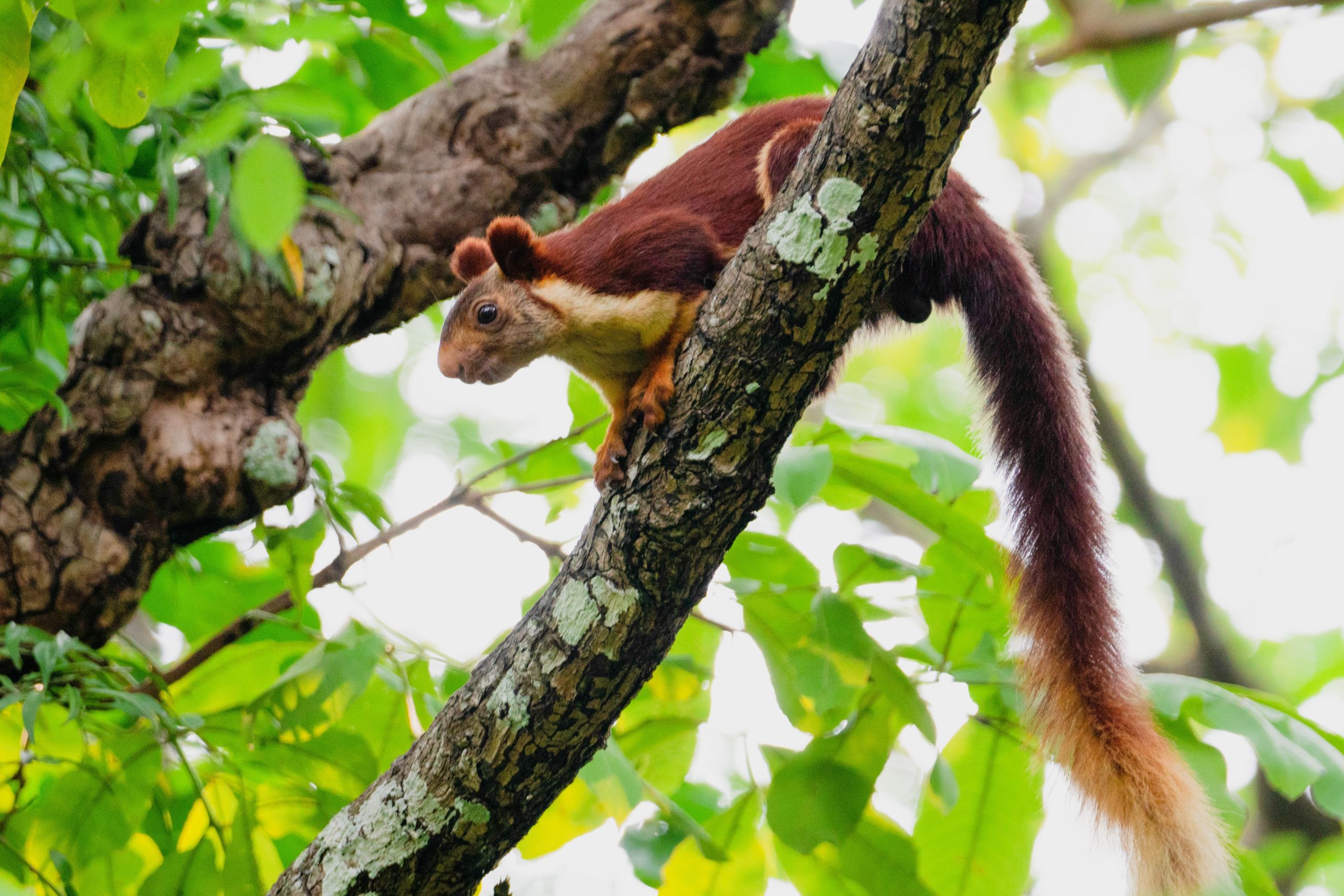
Delhi NCR, 2nd July, 2026: On 17 June 2026, at 7:22 am, a rather disturbing Instagram reel surfaced in the feeds monitored by the Wildlife Trust of India’s cyber monitoring team. Less than 24 hours old, it showed a man holding the carcasses of two Indian giant squirrels and a Northern plains gray langur, an accomplice beside him carrying something less easily identified.
The Indian giant squirrel (Ratufa indica) is listed under Schedule I of the Wild Life (Protection) Act, 1972, which grants it the same level of protection as the tiger or the elephant, while the Northern plains gray langur (Semnopithecus entellus) is listed under Schedule II. Both species face growing threats, including habitat loss and degradation, roadkills, and hunting.
Recognising the incident as an active and recent case of wildlife poaching, WTI’s team immediately initiated digital intelligence gathering to narrow down the probable location.
WTI’s team got to work narrowing down the village-level location of the alleged hunters from the digital trail. By mid-morning, that actionable information had reached the Divisional Forest Officer in Chhattisgarh. By 4 p.m., forest officials had raided the site, arrested the accused, and seized both the carcasses and the unidentified object, which turned out to be a homemade air gun crafted from PVC piping. The Instagram reel was taken down shortly after.
Within 24 hours of uploading the Instagram reel, an arrest was made. It is the kind of timeline that makes for a compelling case study, partly because it worked, and partly because it reveals just how much of the machinery of contemporary wildlife poaching now lives online, visible to anyone looking in the right place.
The same platforms, end to end
A growing cause for concern is that social media platforms such as YouTube have become easily accessible sources for tutorials on hunting techniques and the construction of makeshift weapons, such as the DIY PVC air guns. Similarly, platforms like Instagram are increasingly being misused to facilitate the sale of illegal snares and traps, under euphemisms and coded hashtags, but easily found if you know what to search for.
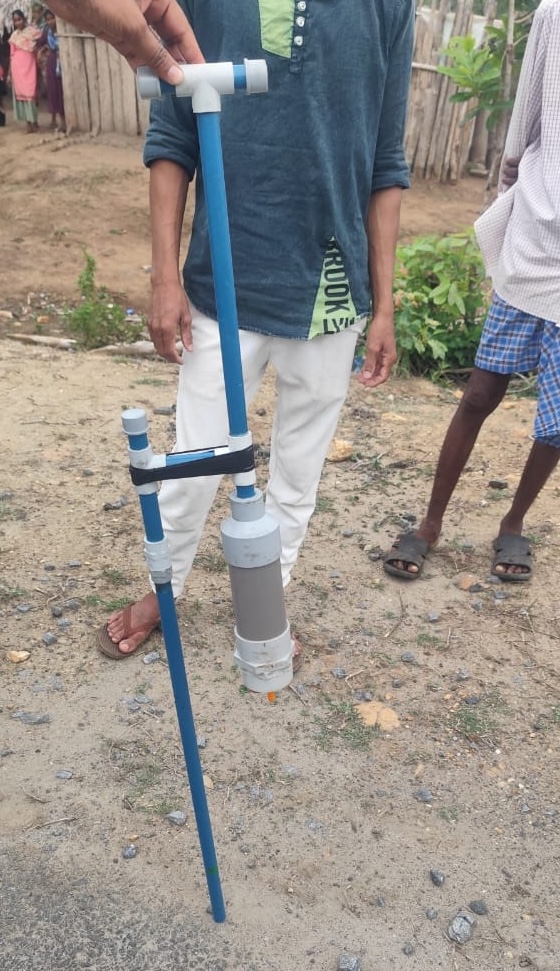
The DIY air gun, crafted from PVC piping, was used in hunting wild animals| Photo © Chhattisgrah FD
Once a wild animal has been hunted, these same platforms are often used to share content, promote such acts, or illegally trade protected species. This creates a dangerous digital cycle where social media fuels every stage of poaching, from preparation and execution to the exploitation and trafficking of wildlife. Users with the intent of achieving virality and monetising their content engage in these practices, linking them to the digital content cycle.
Fighting digital with digital
What the Chhattisgarh case demonstrates is that the same infrastructure enabling the crime can be turned against it, provided someone is actually watching. Whether it is geolocating a suspect from background details, cross-referencing account activity, or flagging time-sensitive content before it vanishes, this is what is known as OSINT (Open-source intelligence).
Wildlife crime has gone digital, but so has the fight against it.
Reporting matters because it multiplies the impact. Flagging a wildlife crime post, instead of scrolling past it or sharing it for outrage, instantly narrows the gap between the crime and the punishment.
And your action doesn’t end there. You can also report such content to your local enforcement authorities or write to us at wccd@wti.org.in
For Android users, you can also report wildlife crime through WTI’s Cyber HAWK app.
Every report counts. Every action matters.