Empowering rural artisans in Garo Hills through modern carpentry skill training
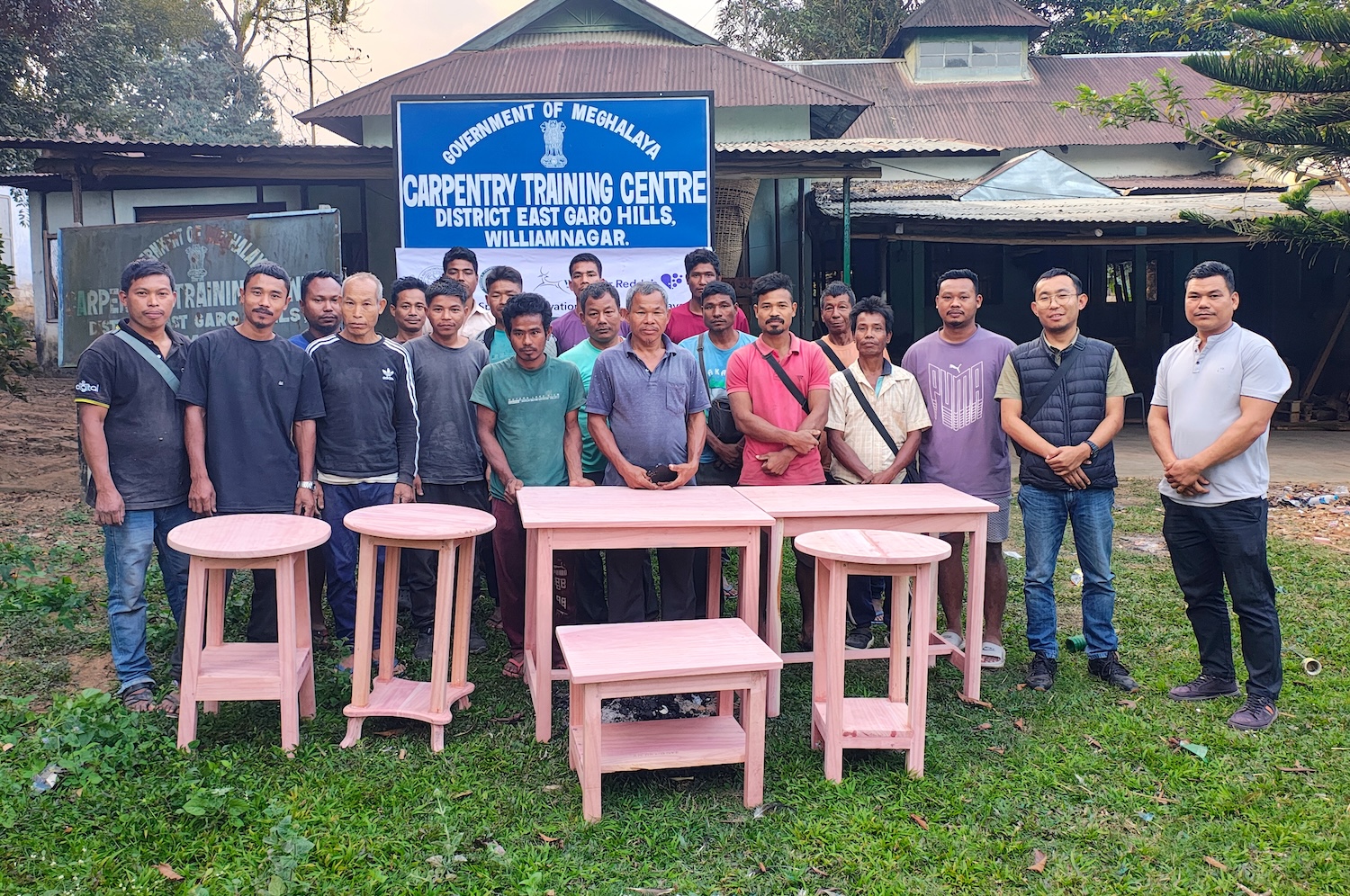
Meghalaya, 31st January 2026: The Wildlife Trust of India (WTI), in collaboration with the District Commerce and Industries Centre (DCIC), Williamnagar, East Garo Hills, and with support from the Wildlife Division, South Garo Hills, the Garo Hills Autonomous District Council (GHADC) Forest Department, and Dr. Reddy’s Lab, successfully conducted a skill development training programme on carpentry using modern equipment from 27-29th January 2026. The training targeted rural artisans from six villages—Halwa Ambeng, Ampanggre, Panda, Mahadeo, Kasarisora, and Wagekona, located in and around the Baghmara–Balpakram Elephant Corridor.
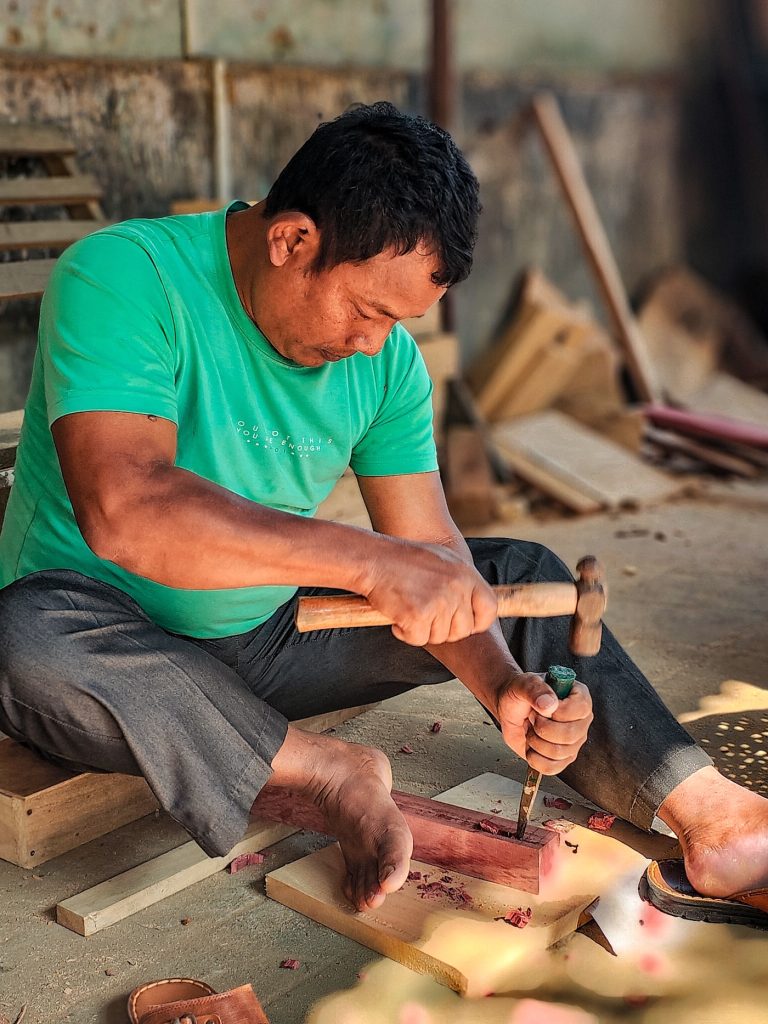
The programme was designed to strengthen the technical proficiency and professional capabilities of rural artisans through hands-on exposure to modern carpentry tools, advanced equipment, and improved work methodologies. Key focus areas included skill upgradation, quality craftsmanship, workplace safety, and efficient use of resources to align with contemporary market standards.
This initiative aimed to enhance sustainable livelihood opportunities by promoting carpentry as a viable self-employment and income-generating avenue. By equipping participants with modern skills and practical knowledge, the training sought to improve earning potential, foster entrepreneurship, and contribute to inclusive economic growth. Importantly, the initiative also supports conservation goals by reducing dependence on forest-based livelihoods in ecologically sensitive landscapes, thereby encouraging a balanced approach to community development and wildlife conservation in the Baghmara–Balpakram region.
The workshop aimed to enhance the carpentry skills of the rural artisans | Photo © Team WTI
Mr. Moshe R. Marak, General Manager, District Commerce and Industries Centre, Williamnagar, commended the initiative and encouraged participants to pursue carpentry as a professional trade. He noted that, when practiced with modern skills and a professional outlook, carpentry is among the most effective livelihood enhancement activities, with significant potential to improve income levels and overall standards of living in rural communities.
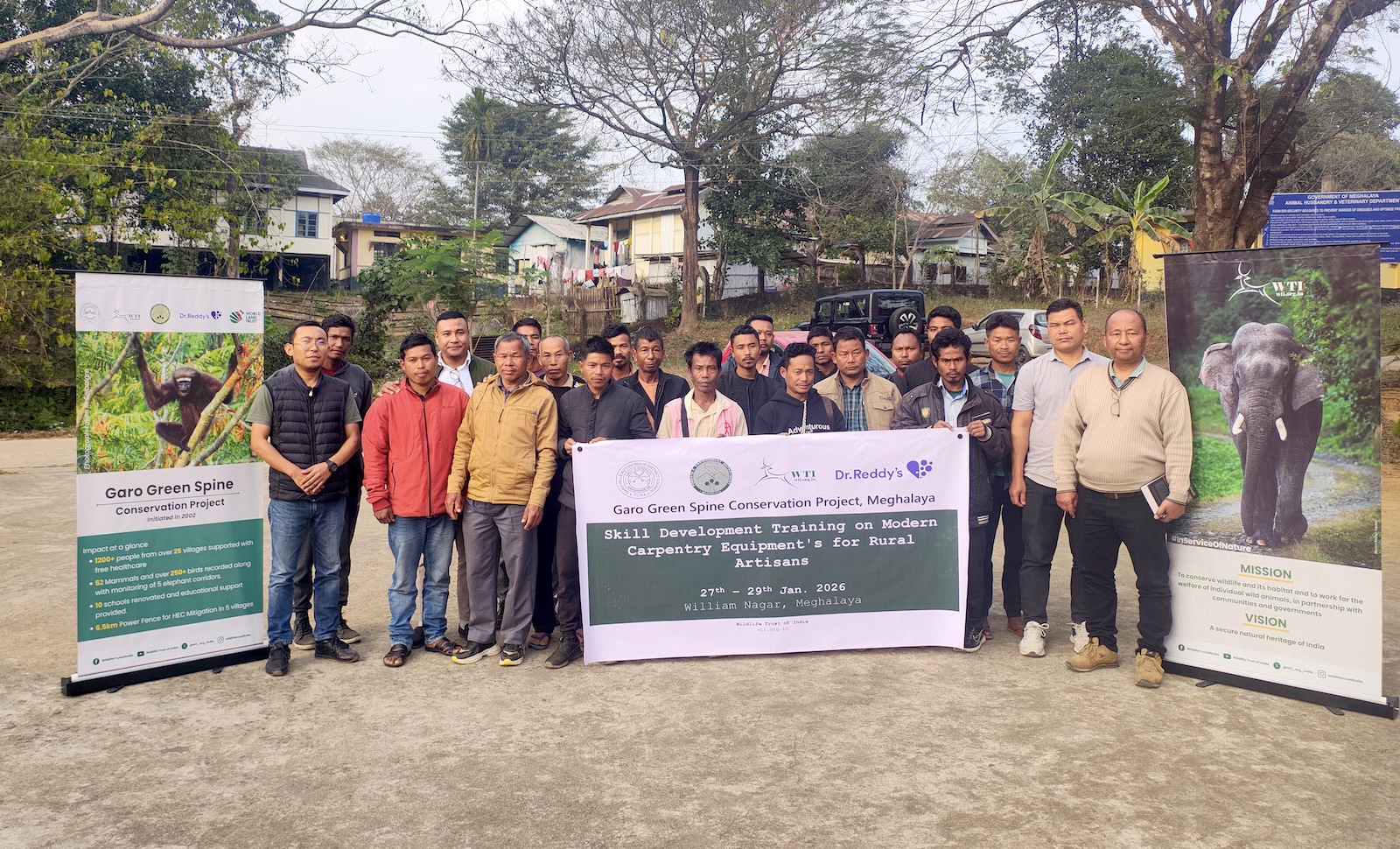
This workshop is an initiative of WTI’s Garo Green Spine Project | Photo © Team WTI
Mr. Silbaibath D. Shira, a participant from Ampanggre village, expressed sincere appreciation to the District Commerce and Industries Centre, Williamnagar, WTI, and Dr. Reddy’s Lab for facilitating access to the carpentry training centre and for their continued support to rural artisans. He acknowledged that such initiatives are instrumental in strengthening skills, building confidence, and creating sustainable livelihood opportunities for local communities.