The Doomscroll that gave a bear cub a second chance
Late one evening, amid the endless scroll on Facebook, a video surfaced that seemed, at first glance, tender and harmless.
In the clip, a man gently cradled a tiny bear cub and fed it milk from a baby bottle. The caption read #BaluBaacha — Hindi for “baby bear.” The viewer paused, watched, reacted and shared. Some saw an act of kindness, but others saw something more urgent: a young wild animal, away from its mother, in need of expert care.
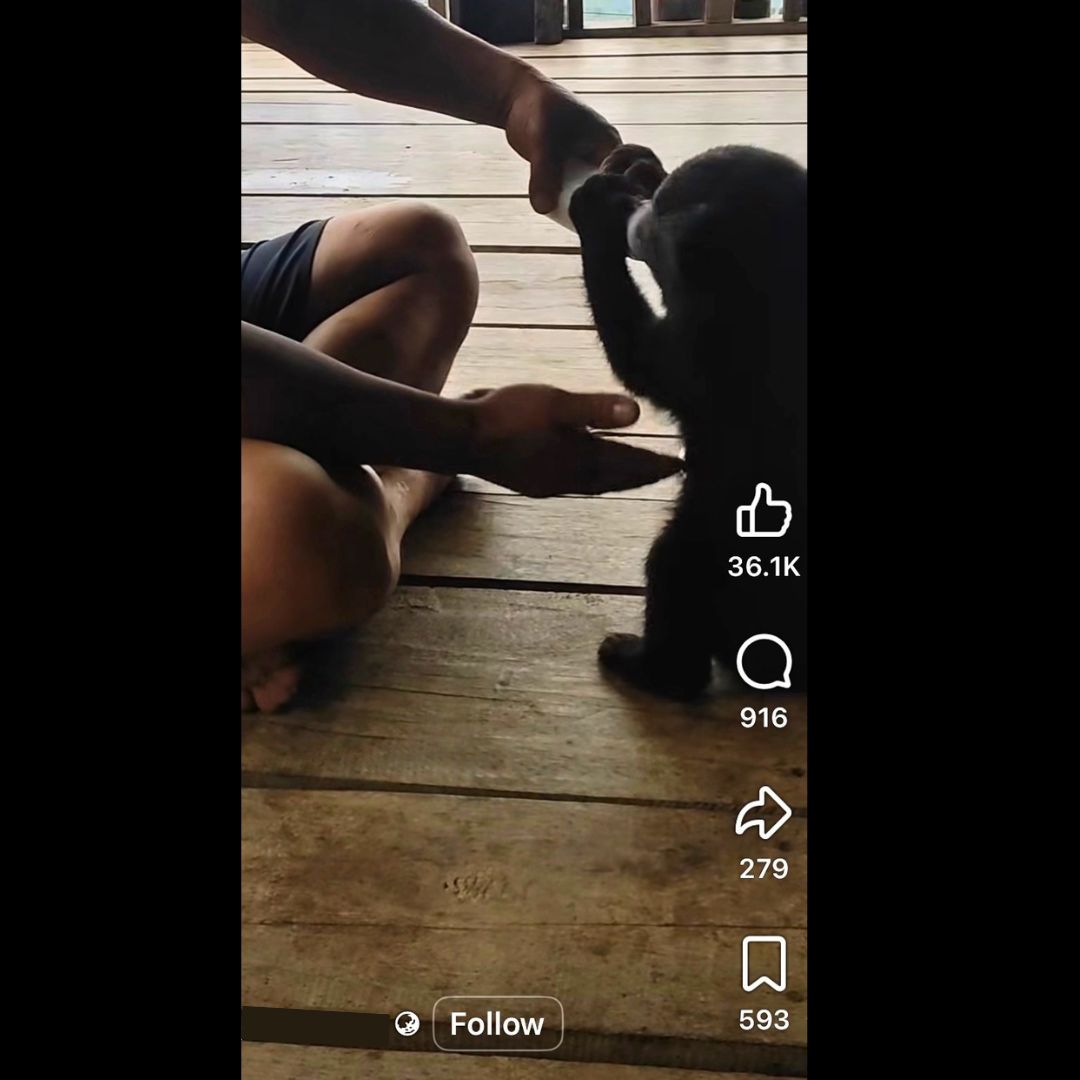
The Facebook video clip of the bear cub being bottle-fed gained a multitude of views and comments
What followed became a powerful reminder that in the digital age, even responsible doomscrolling can help save wildlife.
The video eventually reached a wildlife cyber analyst at the Wildlife Trust of India, who recognised the conservation concern behind the viral clip. WTI immediately alerted the Arunachal Pradesh Forest Department, and soon after, a rescue team from Seijosa in the Pakke Kessang district was dispatched to locate the cub and assess its condition.
The bear was in the care of a resident of Kamle District who had found it nearly a month earlier while working on his farm. Hoping its mother would return, he waited, but when she never did, he brought the cub home. Sadly, this is a common fate for the species; adult Asiatic Black bears are still heavily hunted across their range and traded for their paws, furs, gallbladders and meat, a trade that frequently leaves behind vulnerable, suckling cubs unable to survive on their own.
Concerned that it would not survive, he decided to bring the cub home. While his actions were driven by compassion, under Indian laws, it is illegal to keep a wild animal and doing so is a punishable offence as per the Wild Life (Protection) Act, 1972. However, lack of public awareness around such issues remains a cause for concern.
When the rescue team, led by Likha Tado, Deputy Range Forest Officer (RFO), Keyi Panyor under the direction of Tilling Taker, Divisional Forest Officer (DFO), Lower Subansiri Forest Division, arrived at the location, the resident cooperated fully. A decision was made to transfer the cub, estimated to be 2-3 months old, to the Centre for Bear Rehabilitation and Conservation, where it would receive veterinary care and a structured rehabilitation plan aimed at eventual return to the wild.
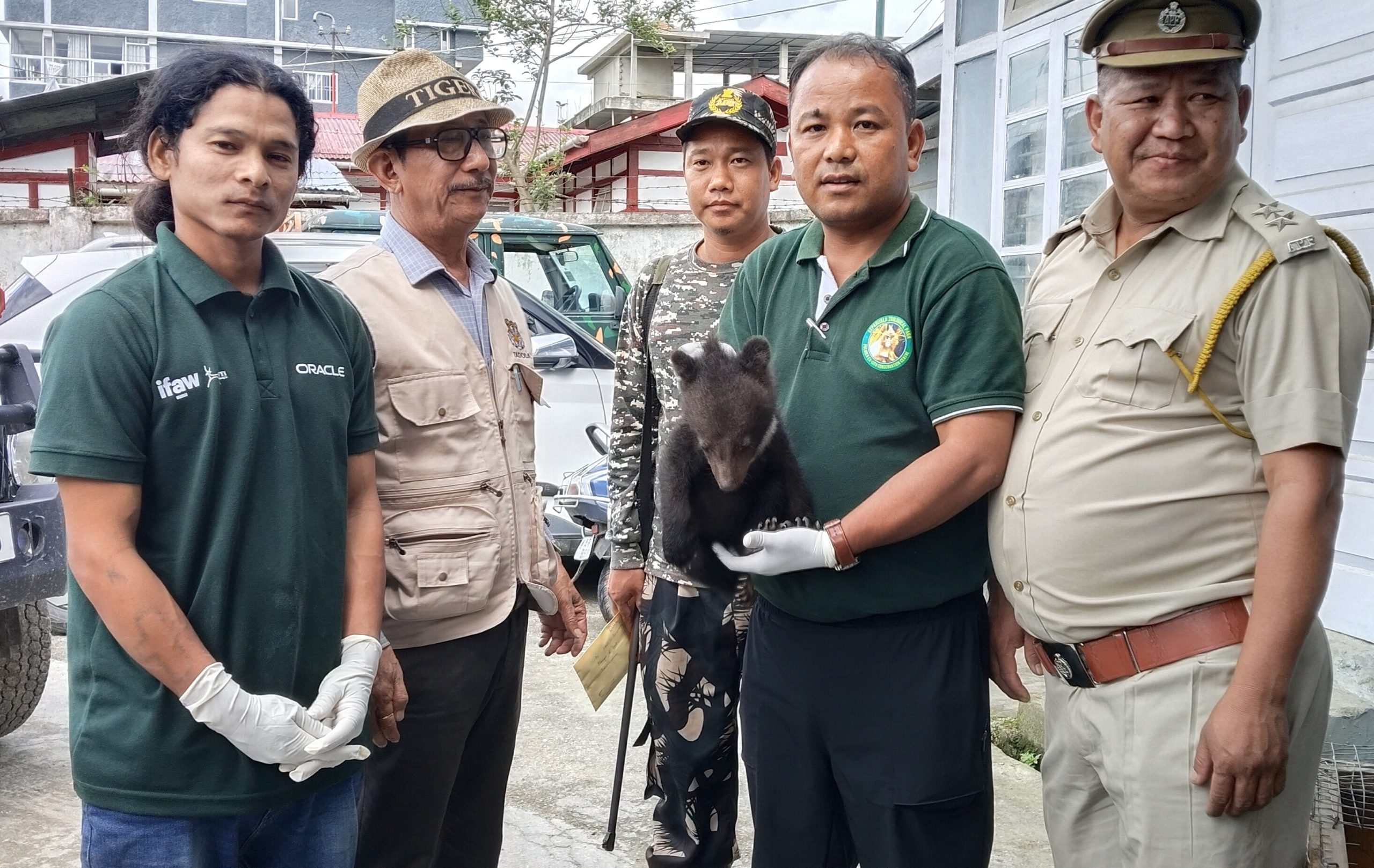
Likha Tado, Deputy Range Forest Officer (RFO), handed over the bear cub to Dr. Panjit Basumatary of WTI so it could be transferred to CBRC
Prior to the transfer, Dr. Bamin Rilung conducted a mandatory clinical examination to ensure the cub was fit for transportation. Meanwhile, Dr. Panjit Basumatary of the Wildlife Trust of India (WTI), under the guidance of Dhawan Kumar Rawat, IFS, DFO Pakke, travelled more than 200 kilometres through rain and landslide-affected terrain to reach the location. Established in 2002, CBRC is jointly run by WTI, the Department of Environment and Forest, Government of Arunachal Pradesh, and the International Fund for Animal Welfare (IFAW).
For young Asiatic black bears, timely intervention can make all the difference. Cubs separated from their mothers are extremely vulnerable. Without proper nutrition, medical care and species-specific rehabilitation, their chances of survival decline rapidly. Even well-meaning human care can unintentionally create risks, especially if a wild animal becomes habituated to people.
This is why it is critical to immediately report such incidents to the Forest Department. Wild animals, especially young mammals, should not be kept at home, even out of compassion. The safest response is always to inform trained authorities and allow rescue professionals to assess the situation.
In this case, one local resident’s kindness, one neighbour’s video, one alert online viewer, and one wildlife cyber analyst helped turn a viral moment into a real conservation response. The story also highlights a growing reality in wildlife protection. Social media is often seen as a space of distraction, misinformation or endless scrolling. But used responsibly, it can become an early-warning system. A video, a tag, a message or a careful report can help conservation organisations and authorities respond faster to animals in distress.
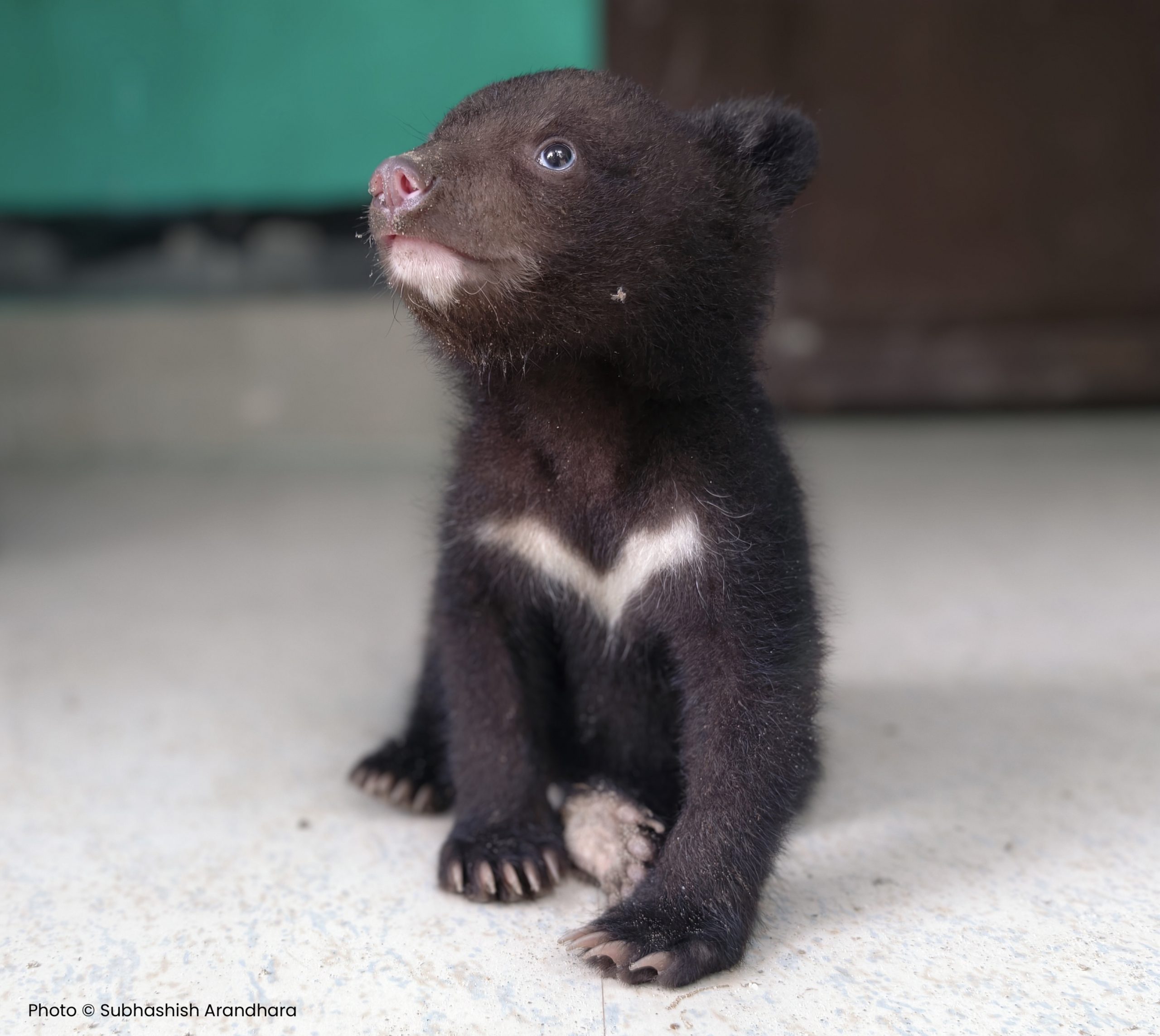
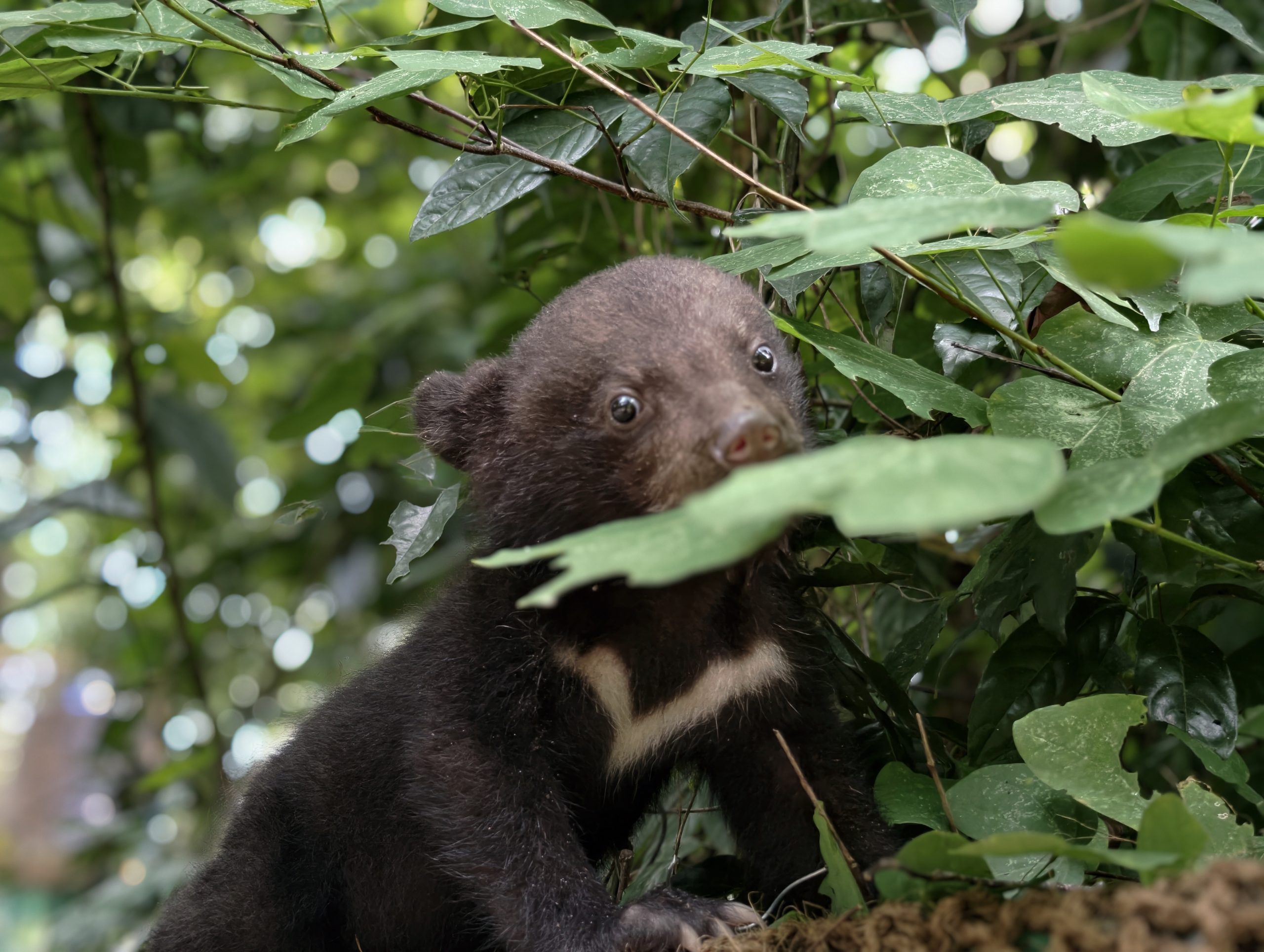
The cub is currently settling into CBRC under the watchful eyes of our vets and bear keepers | Photo © Subhasish Arandhara/ WTI
The cub’s journey is far from over. At CBRC, it will require specialised care, monitoring and rehabilitation before it can have a chance to return to the wild. But because the video reached the right people, that chance now exists.
So the next time a wildlife video appears on your feed, pause before you scroll past. Look closely. Ask whether the animal is in distress, whether it belongs there, and whether you should inform the right authorities right away.
Sometimes, responsible scrolling can become a rescue.
Sometimes, curiosity can save a life.
Scroll. Spot. Stop. Report responsibly.
#ScrollSpotStop