Project Info



Project Description
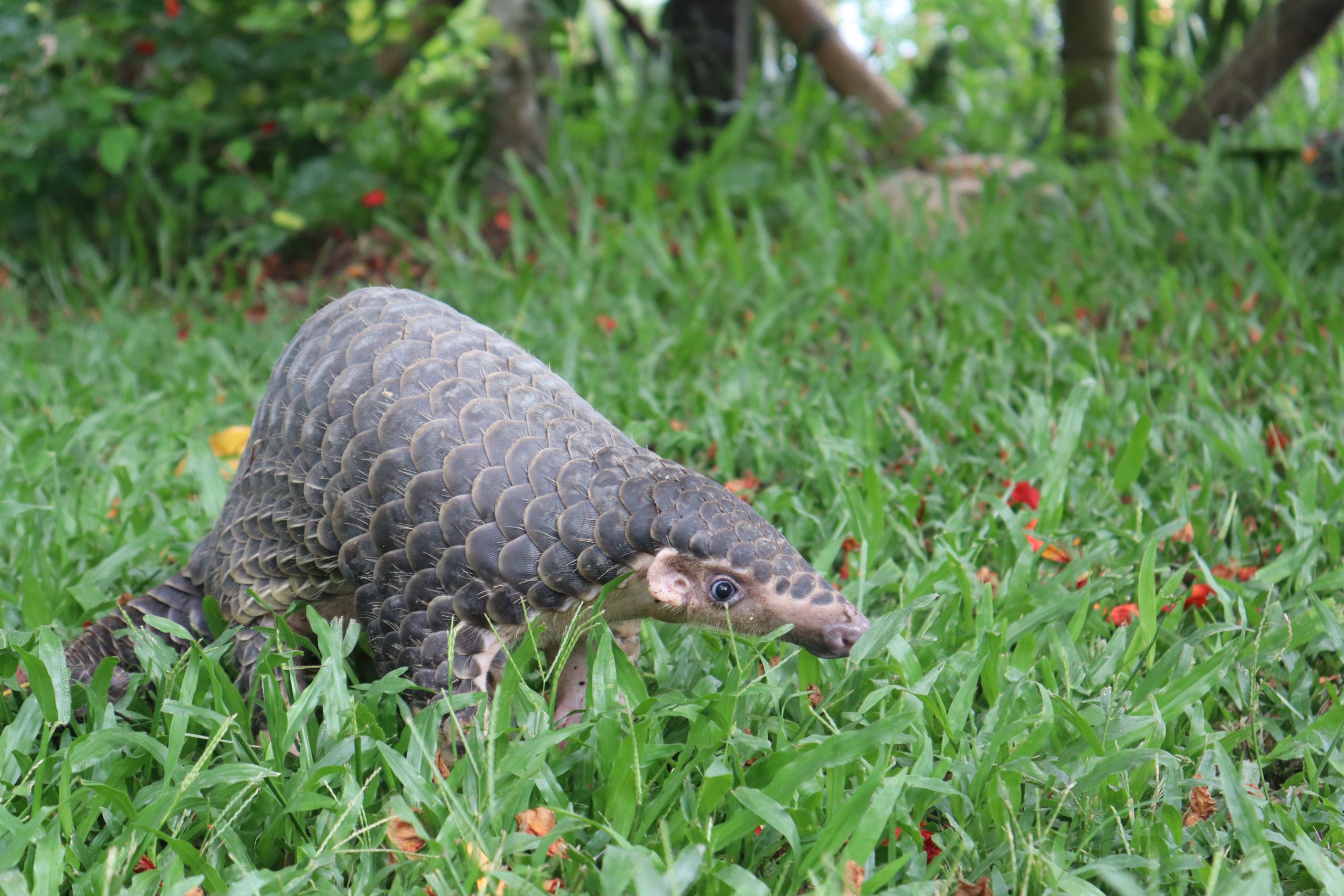
Pangolin trafficking remains a grave concern in India, posing a significant threat to the country’s wildlife and biodiversity. These elusive, scaly mammals are targeted for their scales and meat, which are highly prized in traditional medicine and considered a delicacy in certain regions. Despite efforts by wildlife authorities to combat the illegal trade, pangolin smuggling continues to thrive due to its lucrative nature. Smugglers often exploit porous borders and engage in organised networks to transport pangolins to international markets, especially in Southeast Asia, where demand is high.
The Northeastern region of India is one of the 25 megabiodiversity hotspots in the world and is home to many unique and endemic species of flora and fauna. This area is also strategically important as it shares borders with several other countries, making it a transit route for illegal wildlife trade (IWT), including the trade of the most trafficked mammal in the world, the Pangolin.
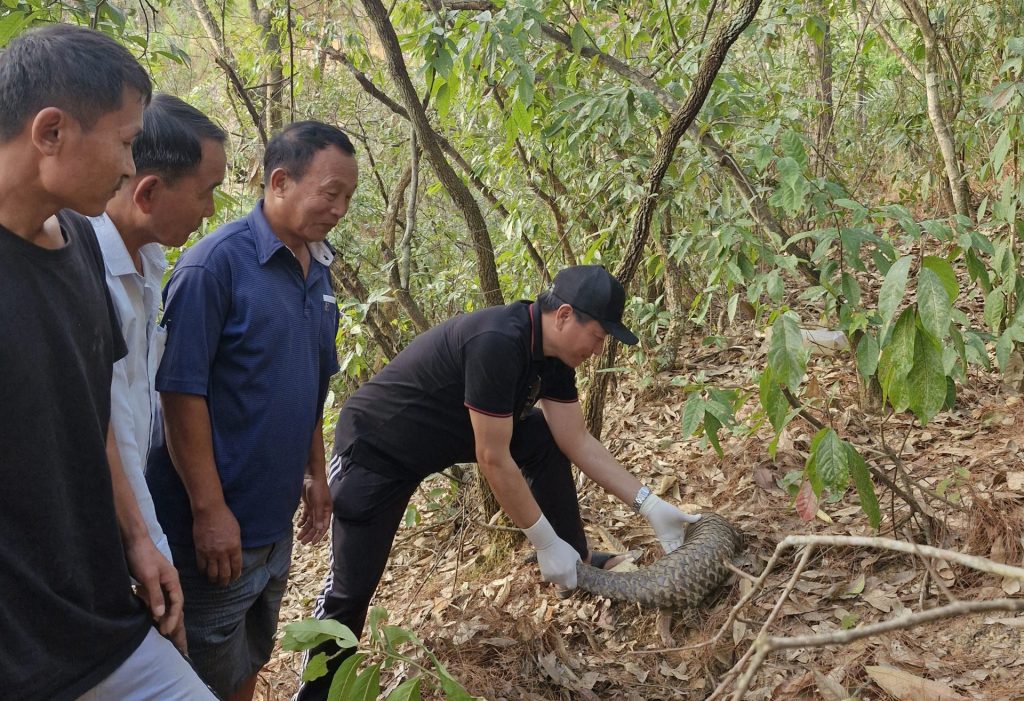
Rescued pangolin being released back to the wild by the local community in Manipur | Photograph by Chingrisoror Rumthao/WTI
The state of Manipur and Nagaland, inhabited by various ethnic groups known to engage in traditional hunting practices and consume wildlife as part of their culture and tradition, ranks high in the illegal trade of pangolins (Manis crassicaudata and Manis pentadactyla) and their derivatives. The presence of illegal wet markets where wildlife is openly sold, the porosity of borders, and local economic factors create a favourable environment for IWT and other criminal activities. Reports have confirmed that these Indian states bordering Myanmar also serve as temporary holding facilities for exotic animals, which are further traded within India or internationally. To address these issues, Wildlife Trust of India’s ‘Countering Pangolin Trafficking Project’ aims to disrupt the organised IWT by strengthening the forest department’s skills and mobilising the community to break the network operating in the border regions between neighbouring states.
To combat this illegal trade, it is imperative for authorities to strengthen enforcement and improve collaboration with neighbouring countries. Public sensitisation campaigns and community engagement are equally crucial in deterring potential buyers and curbing demand.
Partners: Pangolin Crisis Fund, Wildlife Conservation Network, Manipur Forest Department, Nagaland Forest Department and Tangkhul Naga Awunga Long
Resources:
Project Lead: Monesh Singh Tomar