From Kaziranga to Kanha: Wild Buffaloes Embark on a Historic Translocation Journey
Noida, 28th April, 2026: In a historic milestone for species conservation, the Assam and Madhya Pradesh Forest Departments have initiated the translocation of the endangered Asiatic Wild Water Buffalo from Kaziranga Tiger Reserve to Kanha Tiger Reserve. The aim is to restore the population of the species in its ancestral range, where it has been locally extinct for over a century.
Between March 19 and April 10, 2026, 7 sub-adult wild buffaloes were captured across the Central and Eastern ranges of Kaziranga. Under the overall supervision of Field Director Kaziranga, Dr Sonali Ghosh, IFS, the field teams headed by Shri Arun Vignesh CS, IFS, DFO & Deputy Director Kaziranga and a group of experienced vets led by Dr Bhaskar Choudhury, Dr Saurabh Buragohain, from CWRC-WTI, Kaziranga, Assam State Zoo, and various state veterinary departments utilised chemical capture techniques to safely secure the animals.
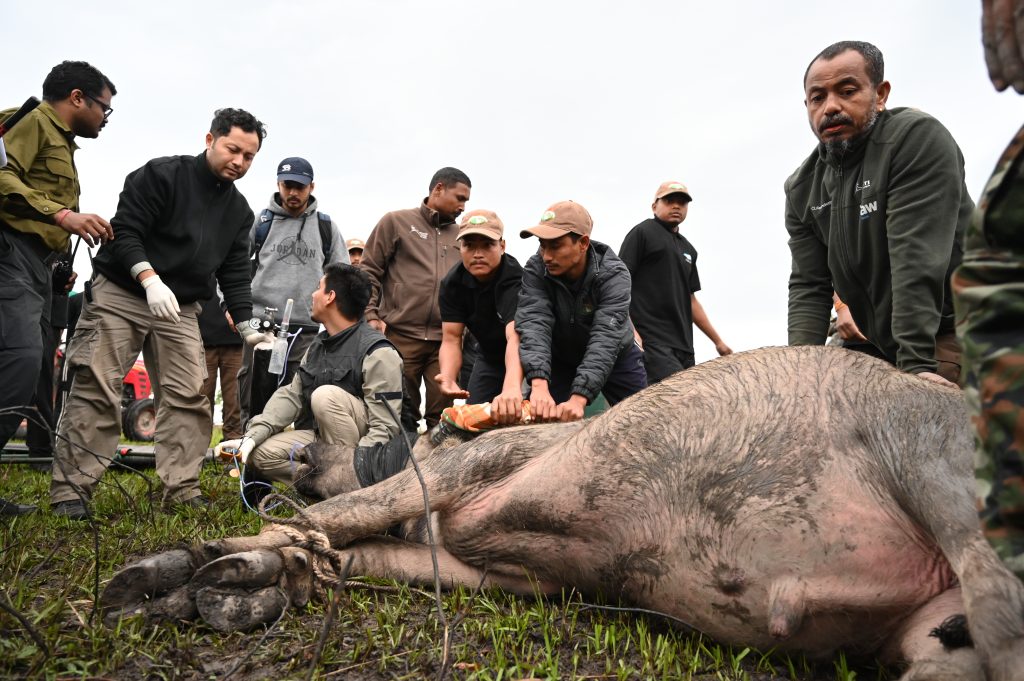
Capture of the first wild water buffalo for translocation from Kaziranga | Photograph by Madhumay Mallik / WTI
To ensure their well-being and quarantine protocol, the captured animals were housed in two specialised Bomas (enclosures). This intervening period allowed the buffaloes to habituate to caretakers, health monitoring, and transport vehicles, significantly minimising potential stress during the transfer.
On April 25, the first batch of four buffaloes (1 male, 3 females) embarked on an incredible journey of over 2000 km by road, one of the longest conservation translocations in the country. This also included an individual who was under rehabilitation at IFAW-WTI’s Centre for Wildlife Rehabilitation and Conservation (CWRC) in Kaziranga National Park and Tiger Reserve. Mr. Kaushik Barua, Member, Assam State Board of Wildlife, also provided his expertise on the capture, quarantine and loading process.
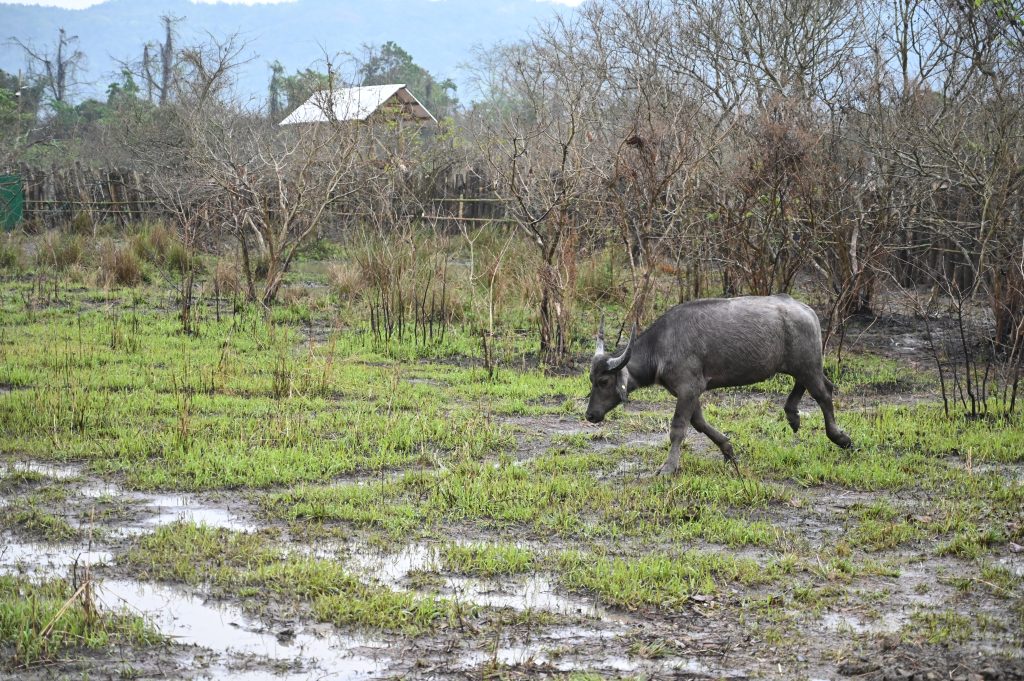
Wild buffalo inside boma in Kaziranga National Park and Tiger Reserve | Photograph by Madhumay Mallik / WTI
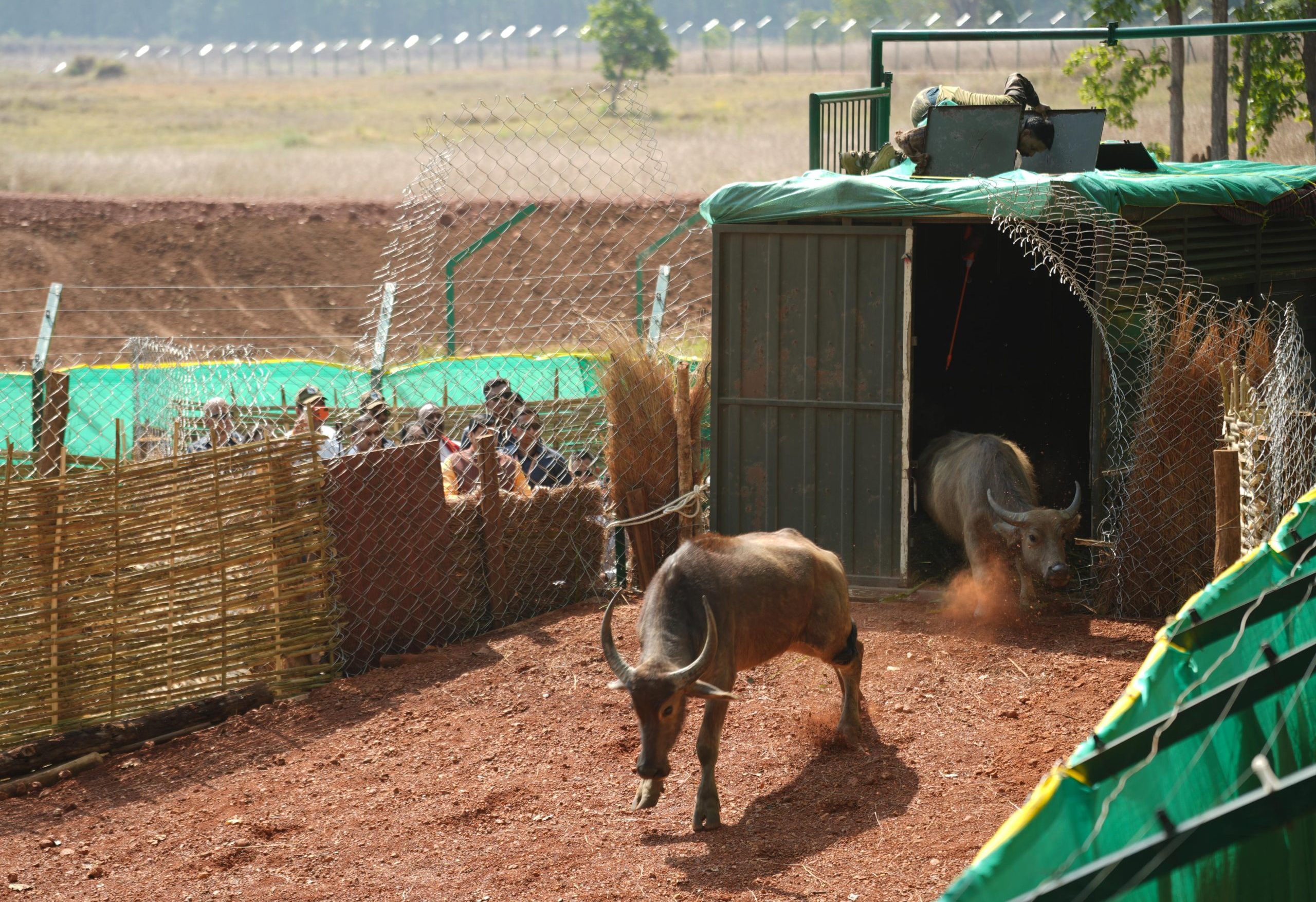
The transportation convoy comprised dedicated support vehicles carrying grass feed, drinking water, and essential logistics, staffed by a team of veterinary and forest professionals to ensure the welfare of the animals throughout their journey. The buffaloes reached Kanha safely on April 28 and were released into a holding enclosure by Hon’ble Chief Minister of Madhya Pradesh, Dr Mohan Yadav. They will now undergo health monitoring and continued acclimatisation in a controlled enclosure before a planned “soft release” into the wild. A second batch of four buffaloes is scheduled for transport by the end of the month, marking continued progress in this vital rewilding project.
This reflects a strong collaboration and leadership from the Assam and Madhya Pradesh Forest Departments, with support from the Hon’ble Chief Ministers of both states. The Wildlife Institute of India and Wildlife Trust of India provided critical technical and knowledge support, with the WTI team at the CWRC assisting in the capture and translocation process at Kaziranga, Assam. The megaherbivore will play a vital role in boosting Kanha’s unique biodiversity in the years to come.
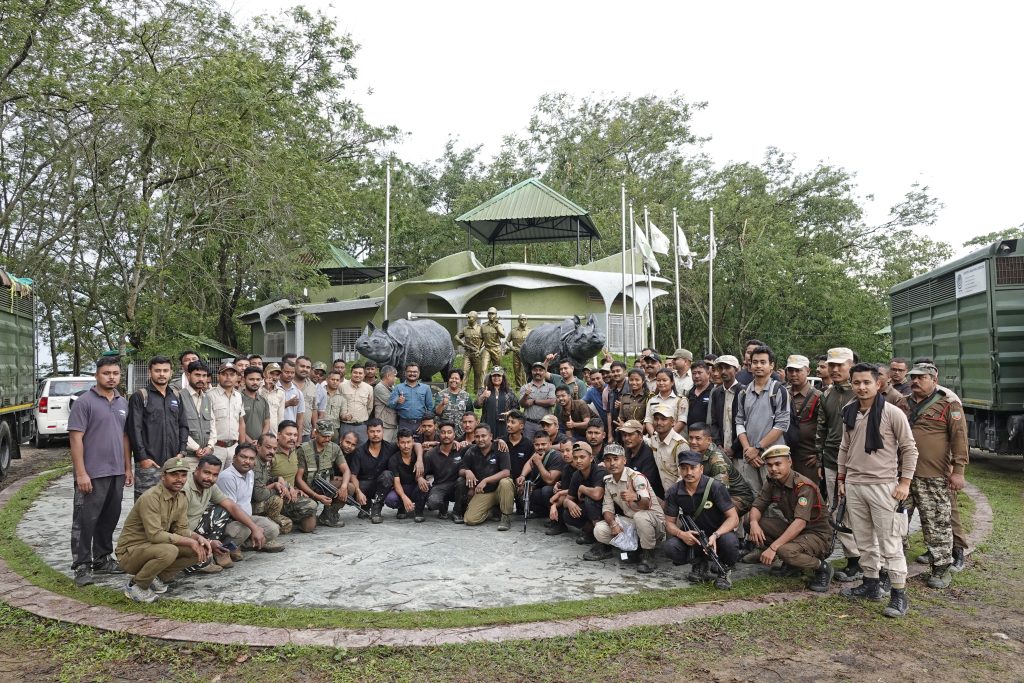
The team at Kaziranga before the start of the translocation | Photograph by Assam Forest Department
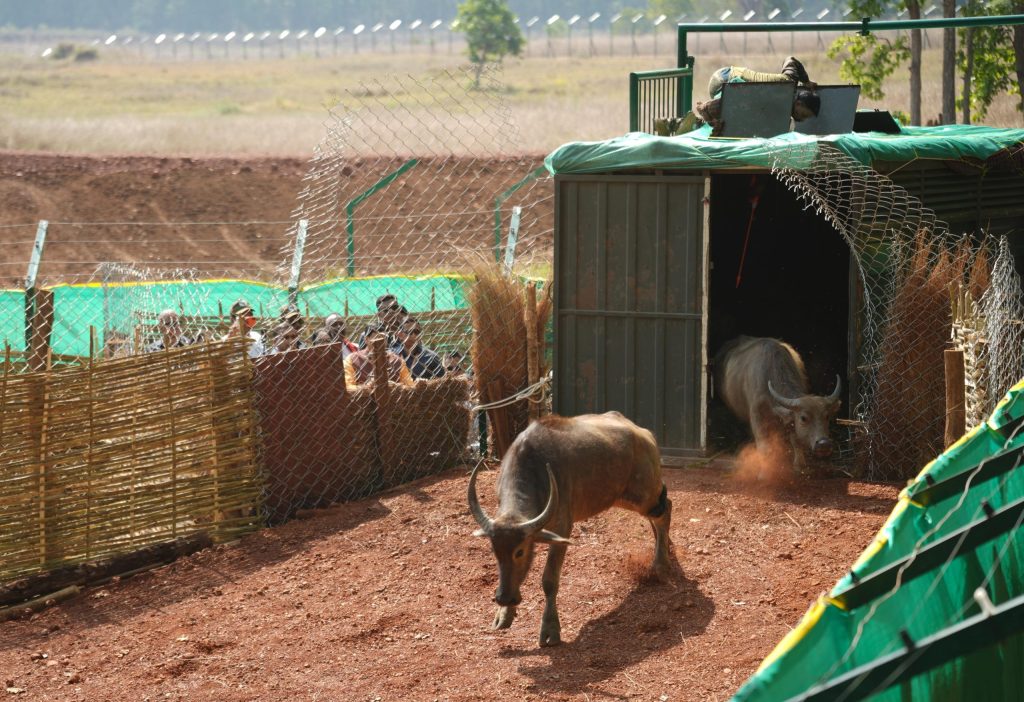
Wild buffaloes being released in Kanha Tiger Reserve | Photograph by Madhya Pradesh Forest Department
“WTI is proud to support the conservation of the endangered wild water buffalo through its reintroduction in Kanha Tiger Reserve. Through CWRC, WTI not only contributed to the planning, capture, and translocation in Kaziranga, but also to the transfer of a hand-raised female calf in the project’s first batch. We thank the Kaziranga NP authority, Assam Forest Department, and Madhya Pradesh Forest Department for this opportunity to be part of this landmark effort” exclaimed Dr. Bhaskar Choudhury.
The global population of the Asiatic Wild Water Buffalo, which is listed as a Schedule I species under the Wild Life (Protection) Act, 1972, is globally listed as Endangered on the IUCN Red List, stands at fewer than 4,000 individuals, with roughly 99% residing in Assam, India alone. Only a few remain in the central Indian landscape, including a reintroduced population in Chhattisgarh. To secure the species’ future, this multi-phased project targets the translocation of 50 wild buffaloes as permitted under the Wild Life (Protection) Act, 1972, from Kaziranga to Kanha in the next one year.