
Global group explores case developments in securing remedial measures for nature
Thattekad, 8 February 2025 – A network of lawyers, scientists and NGOs met in Kerala to discuss progress in developing a wave of new cases for nature in India, Indonesia, Cameroon, Uganda, Italy, Liberia and the Philippines.
Hosted by the Wildlife Trust of India (WTI) in partnership with Lancaster University and Illegal Wildlife Trade Challenge Fund, the five-day event (February 3-7) represents a unique opportunity for frontline nature defenders to share lessons, legal approaches and advice across jurisdictions. The representatives from each participating country are supporting precedent-setting liability cases, ranging from elephant poaching to illegal mining. Crucially, and in contrast to traditional legal responses to crime, each of the cases aims to shift the focus from mere punitive sanctions such as fines and imprisonment to holding offenders legally liable for remedying the harms they cause to nature.
Amid the setting of Thattekad Bird Sanctuary, the group observed Kerala’s endemic birdlife species in their natural habitat, including the Malabar grey hornbill and some rare birds like Ceylon frogmouth, while sharing developments and challenges in their own countries.
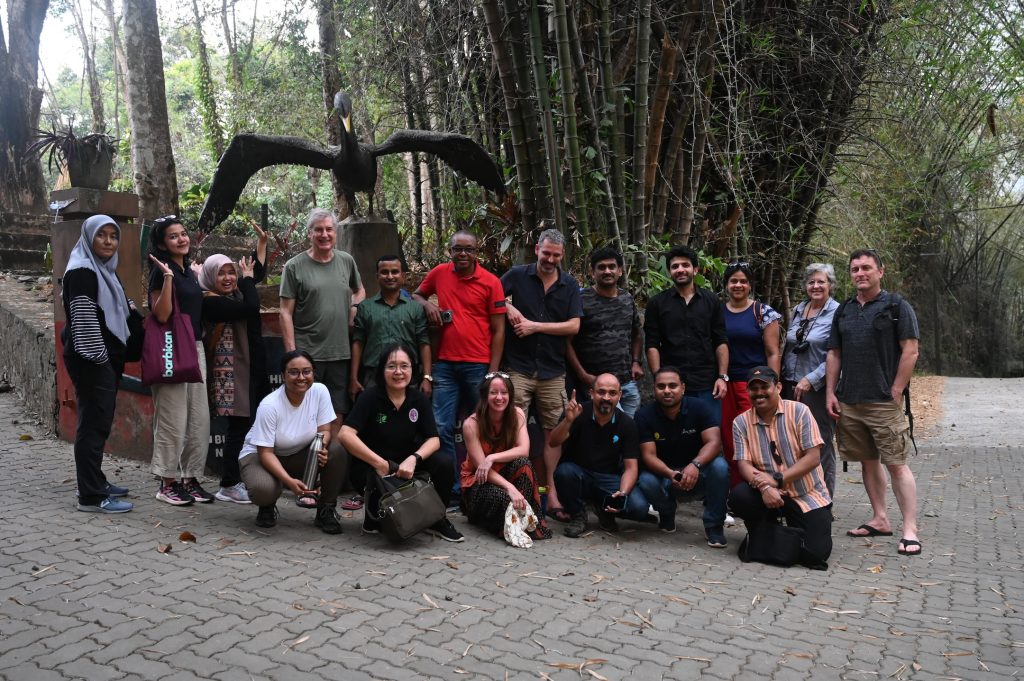
Lawyers, conservationists and scientists from nine countries meet in Thattekad, Kerala | Photo by Team WTI
Dr. Jacob Phelps of Lancaster University and co-founder of Conservation-Litigation.org stated that this gathering is unique, as it brings together colleagues who are actively implementing long-standing environmental laws, often for the first time, to protect and restore nature. He emphasised that the event provides an opportunity to share methods, build a community, and develop strategies, with these cases collectively representing a transformative green wave of litigation.
A key focus of the group is to strengthen methods for presenting science in court and for preparing claims – used to characterise the harm caused by an offender and to identify appropriate remedies. Their work will inform a new guideline to be published by the IUCN World Commission on Environmental Law’s Biodiversity Law Specialist Group, to help support government agencies and NGOs as they develop future cases.
The gathering was timely, as on Friday a court in Italy made a precedent-setting ruling in one of the cases supported by the Conservation-Litigation.org network. Responding to a case of large-scale commercial illegal cactus smuggling, the court awarded remedies to a conservation group focused on protecting those species – funds that will be directly invested into conservation actions to remedy the harm caused.
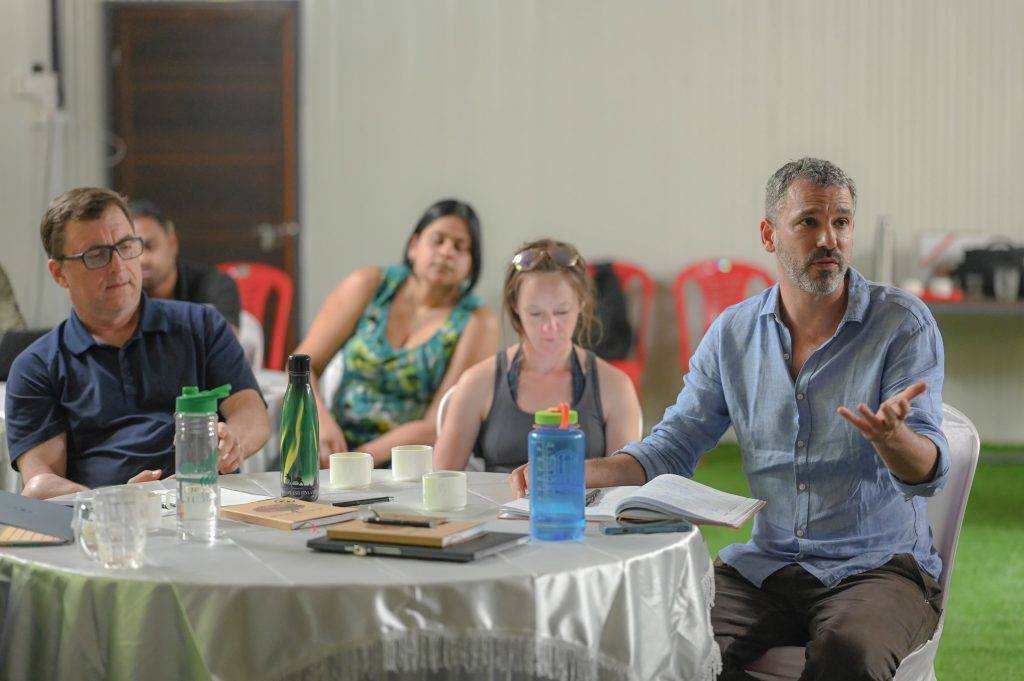
Experts discussed progress in developing legal strategies to remedy harm to nature| Photo by Debobroto Sircar/WTI
Jose Louies, CEO, Wildlife Trust of India, indicated that such initiatives are vital in strengthening legal action against wildlife crime. By exchanging ideas, we can ensure that offenders are held accountable and wildlife laws are effectively enforced, safeguarding biodiversity for future generations.
Lovish Sharma, WTI Legal Counsel, noted that the Indian legal framework envisages remedies that can be sought for the harms caused to the environment, particularly wildlife and its habitat. He stressed the need to enforce these laws and develop jurisprudence that facilitates remedial action for losses caused by the criminal acts of offenders.
Conservation-Litigation.org is a global network of conservationists, lawyers, scientists, economists and artists focused on supporting the strategic use of environmental liability laws to serve conservation. This work is supported by the UK Government via the Illegal Wildlife Trade Challenge Fund.