Community unites for conservation through art, culture and sports in Sundarbans
Kultali, West Bengal, 2 February 2025: In the heart of the Sundarbans, where people coexist with the majestic Bengal tiger, conservation efforts require more than just protective measures. While tigers are revered here as the king of the forests, sometimes even the demi-God, the instances of negative interactions aren’t rare either. It is only when people acknowledge the presence of the predators and respect the wilderness as part of their lives, that we can hope to achieve peaceful co-existence. Recognising this need, the Wildlife Trust of India (WTI), West Bengal Forest Department and Lokamata Rani Rashmoni Mission (LRRM) recently organised a three-day community outreach program at Madhya-Purba Gurguria Adarsha Vidyapith (MPGAV) using drama, sports, and mime to sensitise locals about wildlife conservation. This initiative brought together local youth groups like Bagh Bondhu, Tiger Scouts, and Primary Response Teams (PRTs) to engage villagers in an interactive manner.
Govt. officials like Block Chairman (Sabhapati), Kultali Panchayat Committee Secretary of Bon-O-Bhumi, Kultali Panchayat Committee Secretary of Agriculture of Kultali, Forest Beat Officer, Headmaster of Ambikanagar Haripriya High School and MPGAV school management committee president were present in the event.
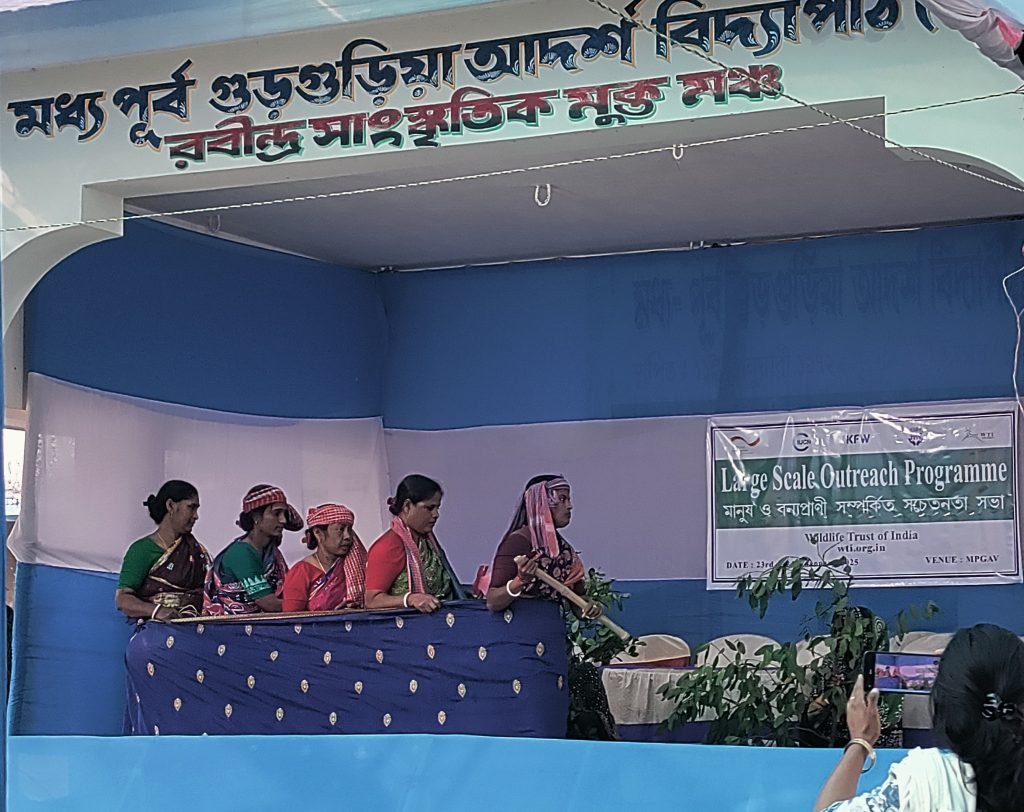
Skit performance by local women to raise awareness about conservation and coexistence with wildlife | Photo by Prosenjit Sheel/WTI
The program harnessed the power of storytelling and performance arts to convey crucial messages about the identification of lesser-known species of Sundarbans, the importance of the wildlife and mangrove forest, human-wildlife coexistence, and sustainable resource harvesting. Livelihood beneficiaries from Ambikanagar village, Maipith, showcased drama and mime performances to highlight the importance of the conservation of tigers and their unique habitat, promote alternative livelihood, and human-tiger coexistence. Held at the MPGAV school, these performances not only raised awareness within the community but also fostered an emotional connection, making the conservation message more impactful.
Alternative livelihood beneficiaries from Deulbari village of Kultali participated in an ‘animal health show’ event to promote livestock rearing in the village as an alternative livelihood. Additionally, several local students participated in a debate and drawing competition focused on the importance of the mangrove ecosystem, and the role of the local community in mangrove conservation.
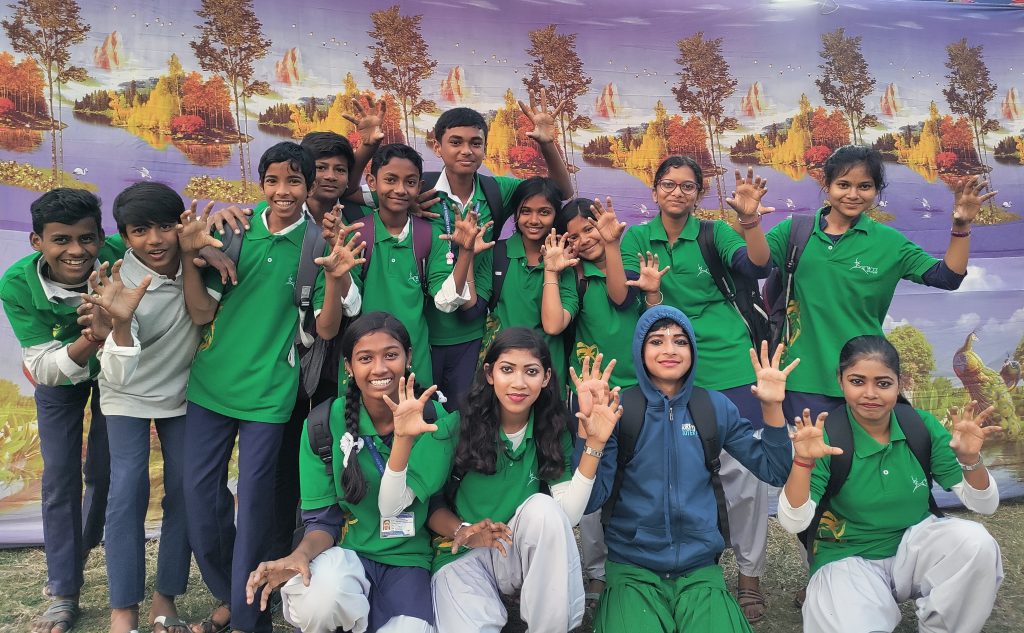
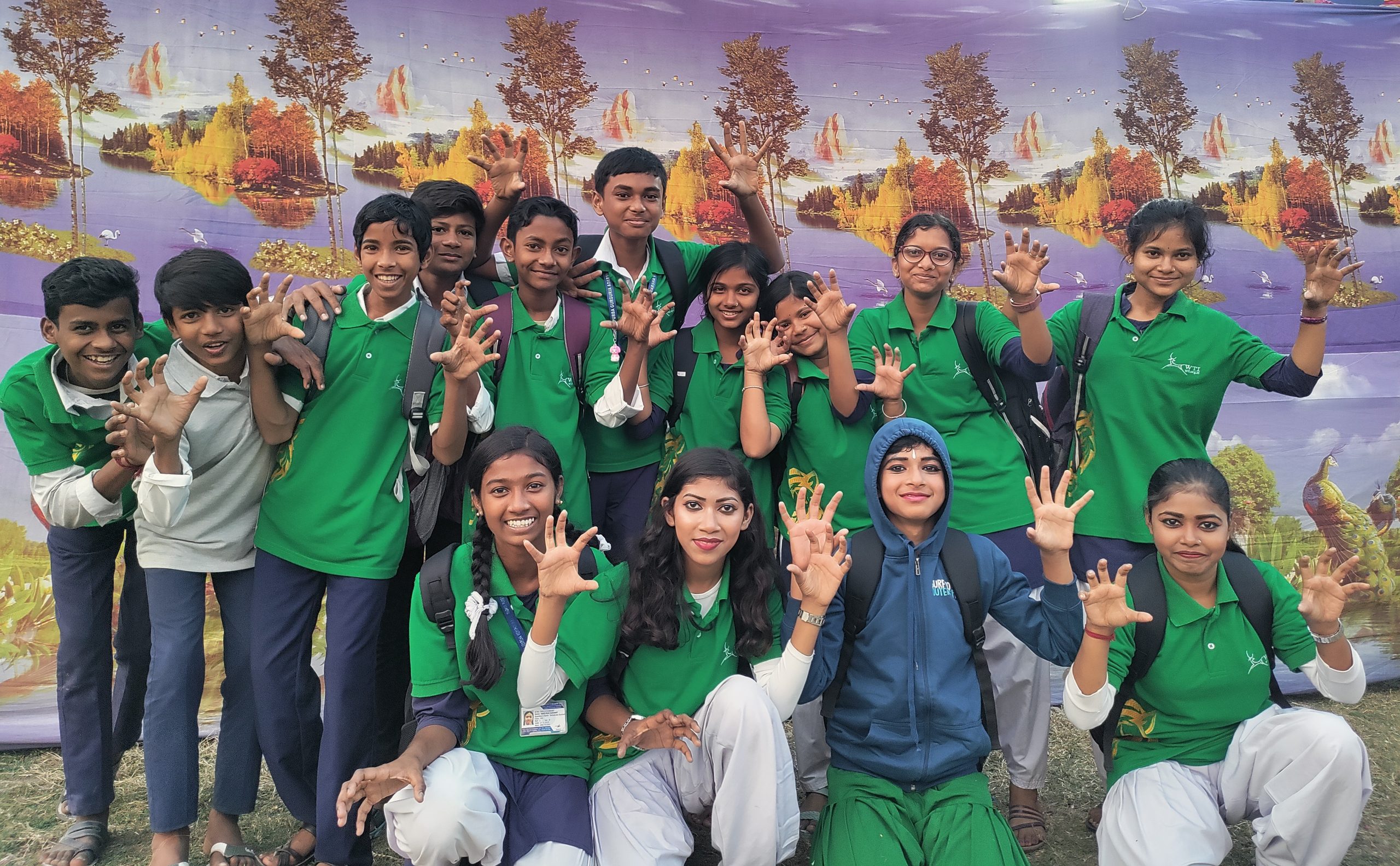
‘Tiger Scouts’ comprise a group of students who play the crucial role of educators and and changemakers in their community | Photo by Prosenjit Sheel/WTI
The Bagh Bondhu and Primary Response Team (PRT) members actively participated in the outreach program, performing folk songs to engage the community. Their involvement instills a sense of responsibility among villagers, inspiring them to become protectors of their very own Sundarban. WTI’s Sundarban Tiger Project is being implemented under the Integrated Tiger Habitat Conservation Program (ITHCP) of IUCN, with support from German Cooperation, KFW, IUCN and the West Bengal Forest Department.