Project Info



Project Description
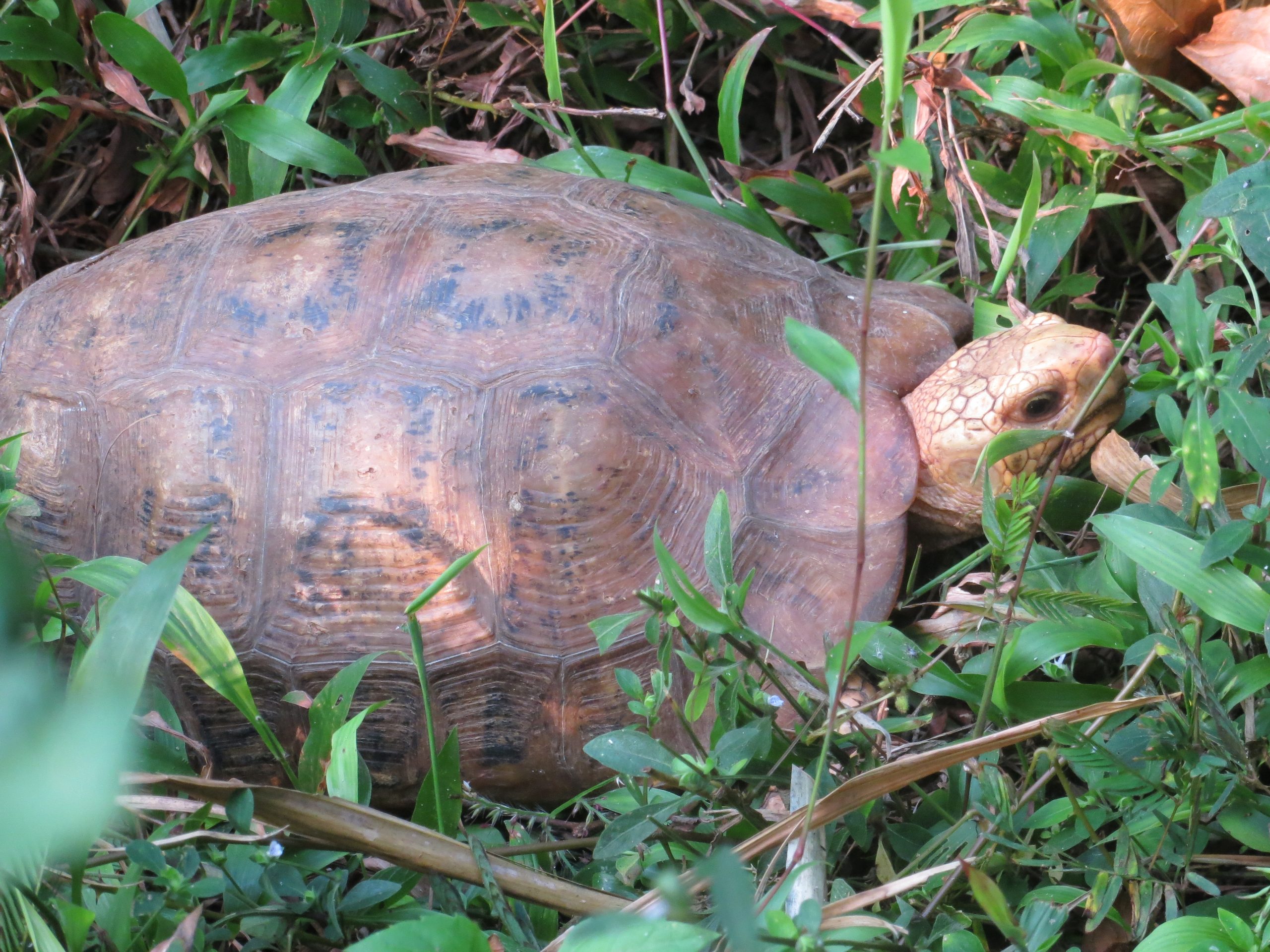
Turtles and tortoises are silent architects of our ecosystems, from dispersing seeds to cycling nutrients and even storing carbon, these ancient reptiles keep both rivers and forests thriving. Yet, despite their crucial role, their numbers are plummeting. Globally, over half of all testudines are now threatened, and India — home to an astonishing diversity of these armoured species — has all hands on deck to safeguard and bring back the depleting populations.
In India, 30 species of turtles inhabit rivers, wetlands, and forests, with 26 of these found exclusively in the eastern regions. Among them are eight Critically Endangered and ten Endangered species. The Ganges-Brahmaputra floodplains, with their labyrinth of waterways and rich forests, form a globally recognised hotspot — the highest freshwater turtle diversity anywhere on Earth. India is not just a turtle-rich nation; it is a critical stronghold for their survival. It is noteworthy to mention that the north-eastern region of India is a global hotspot for freshwater turtle and tortoise diversity.
As part of a long-term partnership with the Turtle Survival Alliance, this project is a bold step toward safeguarding India’s freshwater turtles. We aim to secure their long-term survival by understanding their populations, habitats, and ecological roles. The work begins with a detailed assessment of conservation status, followed by hands-on field initiatives. Each species will have its story, its priorities, and a roadmap to recovery.
This project will:
- Bring together all turtle researchers and organisations in India for a regional IUCN Red List assessment workshop
- Train the next generation of turtle conservationists, equipping young researchers with the skills to protect these species across India
- Launch conservation projects on the ground, laying the foundation for greater, long-term efforts.
PARTNERS: Turtle Survival Alliance
PROJECT LEAD: Dr. Harikrishnan S