Bridging Landscapes through Conservation
In October 2025, the Wildlife Trust of India (WTI) was selected as one of the IUCN Integrated Tiger Habitat Conservation Programme (ITHCP) sites for the Grantees Exchange Programme. As part of this initiative, a WTI team, including myself, embarked on a exchange visit to Indonesia, hosted by YAPEKA, a local conservation organisation. The program brought together conservationists from both countries to share experiences, learn from community-based conservation models, and explore potential collaboration in mitigating Human–Wildlife Conflict (HWC).
We travelled from Bogor to Pekanbaru, Riau, en route to Rimbang Baling to meet with the Head of BBKSDA Riau to discuss ongoing conservation initiatives and regional wildlife management strategies. Another joint meeting with local NGOs Green Radio and Rumah Sunting, focussed on community engagement, environmental awareness programs, and collaborative approaches to sustainable conservation in the region.
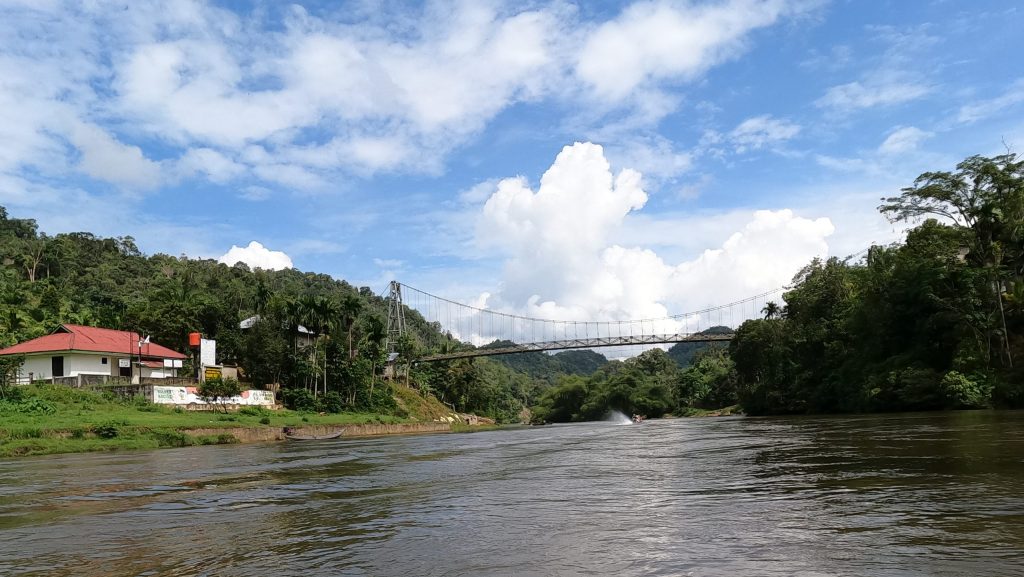
Tanjung Beringin Village | Photograph by Prosenjit Sheel/WTI
Into the Wild: The Rimbang Baling Landscape
Leaving the city behind, we travelled to the Rimbang Baling Landscape in Riau Province, home to the critically endangered Sumatran tiger. Here, community-led conservation, like it is back home in the Sundarban mangroves, is not just a concept but a way of life.
In Tanjung Belit Village, we spent time with community leaders, youth, and women to listen to their stories and experiences. They spoke with pride about their deep connection to the river and forest, and how fishing and agroforestry are woven into their daily lives and traditions. What moved us most was their utmost reverence for the wildlife that shares the landscape, especially the Sumatran tiger, which they regard with a mix of reverence and caution. They believe that a tiger only appears in the village when something is wrong or when social harmony has been disturbed. Whenever this happens, the community takes it as a serious sign and works together to restore balance and correct any wrongdoing.
Just like the Bon Bibi in Sundarbans, the tiger here symbolises harmony in nature and serves as a reminder of the importance of living in balance with the forest. Through sustainable practices and traditional knowledge, the community continues to protect their environment and pass these values to future generations. For every natural resource, appointed leaders manage the sustainable harvesting and ensure that the regulations in place are followed.
Youth Leadership: The Dubalang Adat
One of the most inspiring experiences came in Tanjung Belit Village, where we joined the Dubalang Adat – youth trained in traditional leadership and modern conservation techniques. We participated in a camera trapping exercises, learnt tiger monitoring techniques and understand other wildlife around these forests.
Their confidence and skill was remarkable and it was clear that empowering youth as conservation stewards ensures the continuity of both culture and conservation.
Lubuk Larangan – A River of Wisdom
In Lubuk Larangan, we were introduced to a community-managed stretch of river where fishing is temporarily banned to allow fish populations to recover. A coloured rope tied across the river marked specific areas where fishing was prohibited. The community also believed that this section of the river served as an important breeding ground for fish.Standing by the cool, flowing water, surrounded by traditional leaders and the Dubalang (youth custodians), we learned how customary laws and local wisdom shape natural resource management.
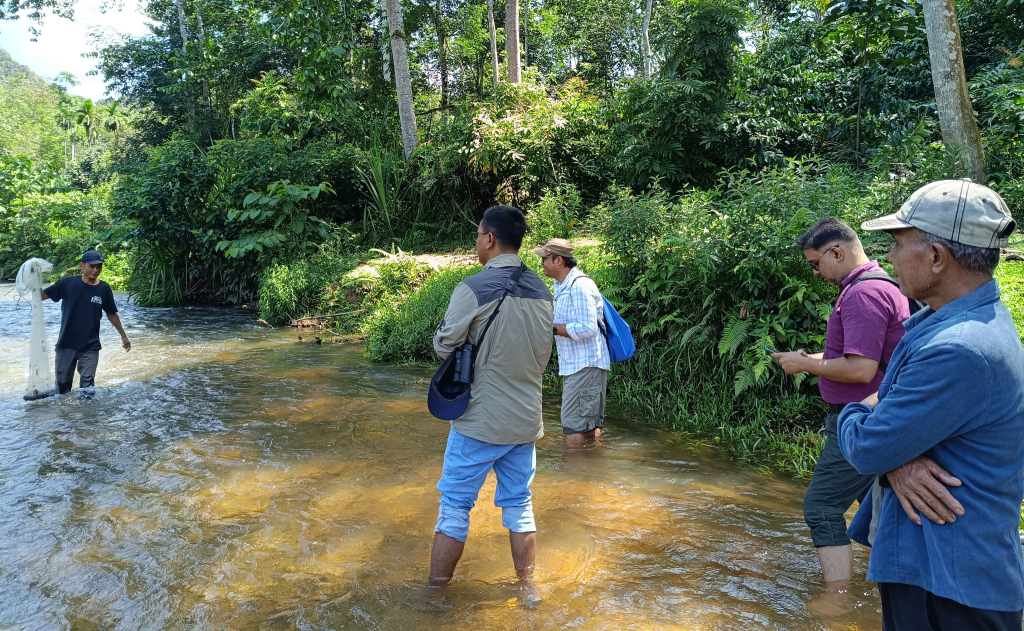
Learning traditional fishing methods | Photograph by YAPEKA
“When the community closes the river, we protect the fish. When it reopens, we celebrate together, which nature gives back,” said one elder.
It was a powerful reminder that conservation thrives when culture and ecology walk hand in hand.
Agroforestry – Cultivating Hope and Resilience
Our next visit was a community agroforestry site supported by YAPEKA, where farmers are shifting from monoculture oil palm to diverse, sustainable planting systems. Between rows of fruit trees and timber saplings, farmers spoke proudly about how these practices enhance biodiversity, stabilise their income, and revitalise soil health.
“We grow food not just for ourselves, but for the forest too,” one farmer said with a smile.
Their dedication illustrated how local innovation can transform livelihoods while restoring ecosystems.
Aur Kuning – Balancing Rubber and Forests
In Aur Kuning Village, rubber cultivation serves as the primary source of livelihood for the community. The harvesting process is conducted with precision and care. Skilled tappers make controlled diagonal incisions along the bark of rubber trees, allowing latex to flow into collection cups without harming the trees. This method ensures the long-term health and productivity of the plantations. Yapeka, with the ITHCP project has been supporting the harvesters to improve the quality of rubber to get a better price in the market.
Additionally, forest buffers are maintained around plantation areas to protect the surrounding ecosystems and preserve biodiversity. The village’s approach to rubber harvesting exemplifies the integration of economic activity with ecological stewardship, reflecting a commitment to sustainable resource management.
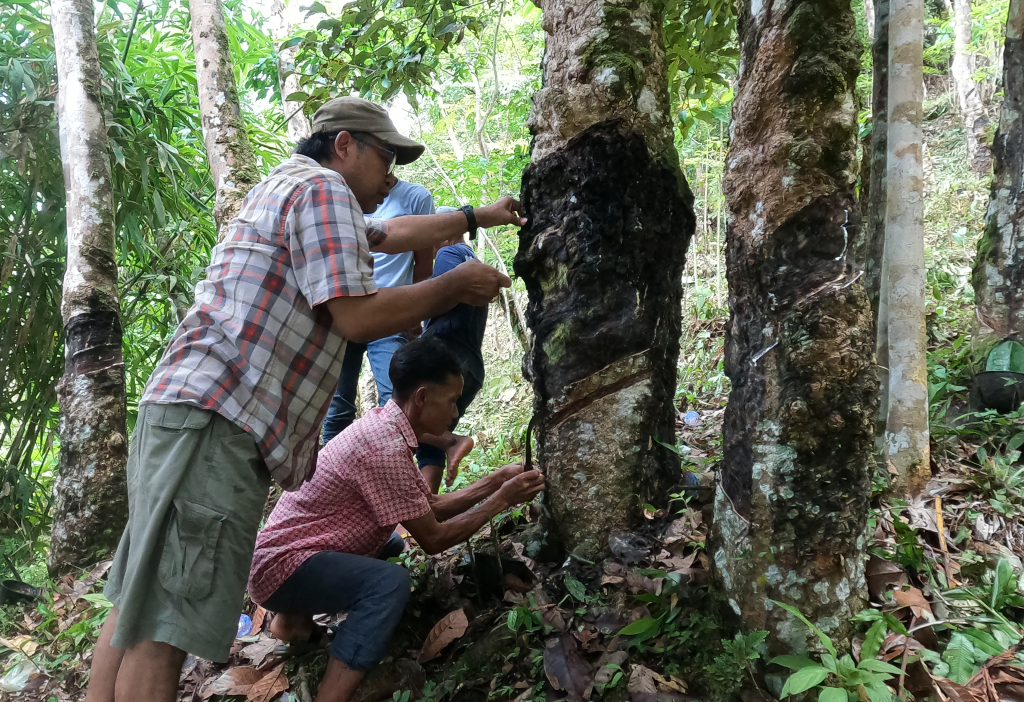
Rubber harvesting demonstration in Aur Kuning | Photograph by Prosenjit Sheel/WTI
Knowledge Exchange in Bogor with IdSSG
At the Centre for Transdisciplinary and Sustainability Sciences (CTSS) at IPB University and the IdSSG, the teams exchanged ideas on how community engagement, research, and policy can work together to achieve effective and sustainable conservation outcomes. IdSSG also discussed their plan to complete red listing for all animal species and how they are coordinating with the IUCN Species Survival Commission (SSC) to align their efforts with global conservation standards.
WTI also shared the different methods they use for animal surveys and suggested several approaches that IdSSG could adopt to help expedite their mission.
Human-Wildlife Conflict Mitigation workshop by WTI
Team WTI led hands-on sessions for participants from YAPEKA, WCS Indonesia, and Bogor University on Human–Wildlife Conflict Mitigation. The workshop focused on conflict mapping, mitigation tools, stakeholders’ analysis and community engagement strategies. What stood out most was the enthusiasm of young university students eager to translate theory into real-world solutions.
Reflections and the way forward
People protect what they feel connected to.
The Rimbang Baling communities showed us how deeply cultural identity and environmental stewardship are intertwined. Their conservation efforts are not imposed projects, but expressions of belonging and pride. This visit reminded us that while landscapes differ, the spirit of conservation unites us all. For us, the experience was not just an exchange of ideas but a reaffirmation that collaboration, empathy, and cultural respect are at the heart of lasting conservation.
“The forest is not just our home; it’s our teacher.”-Dubalang youth, Tanjung Belit Village
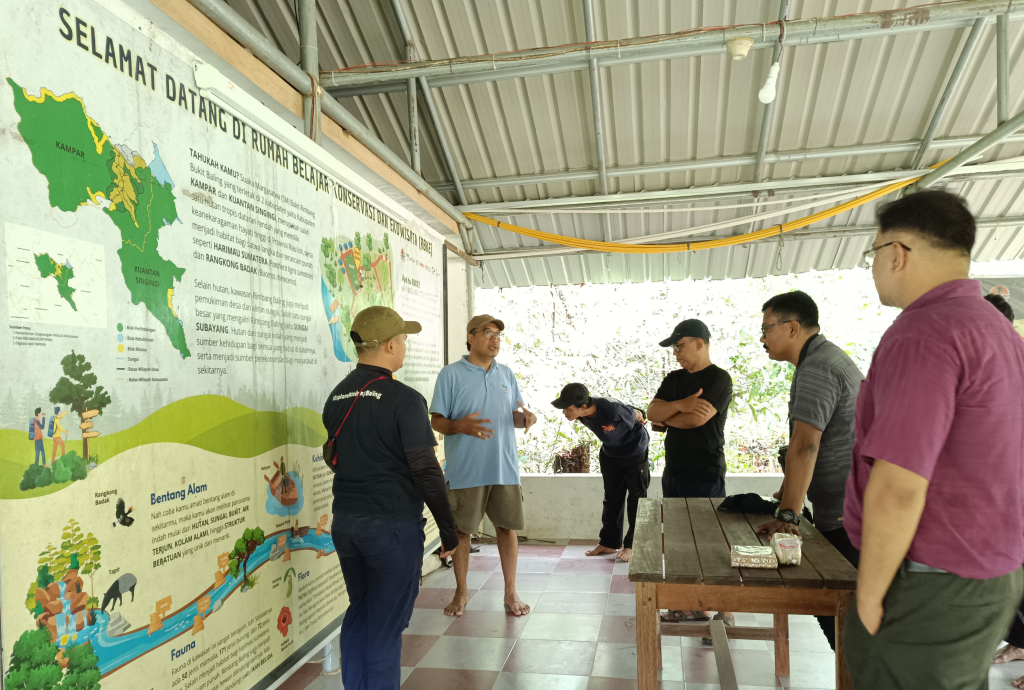
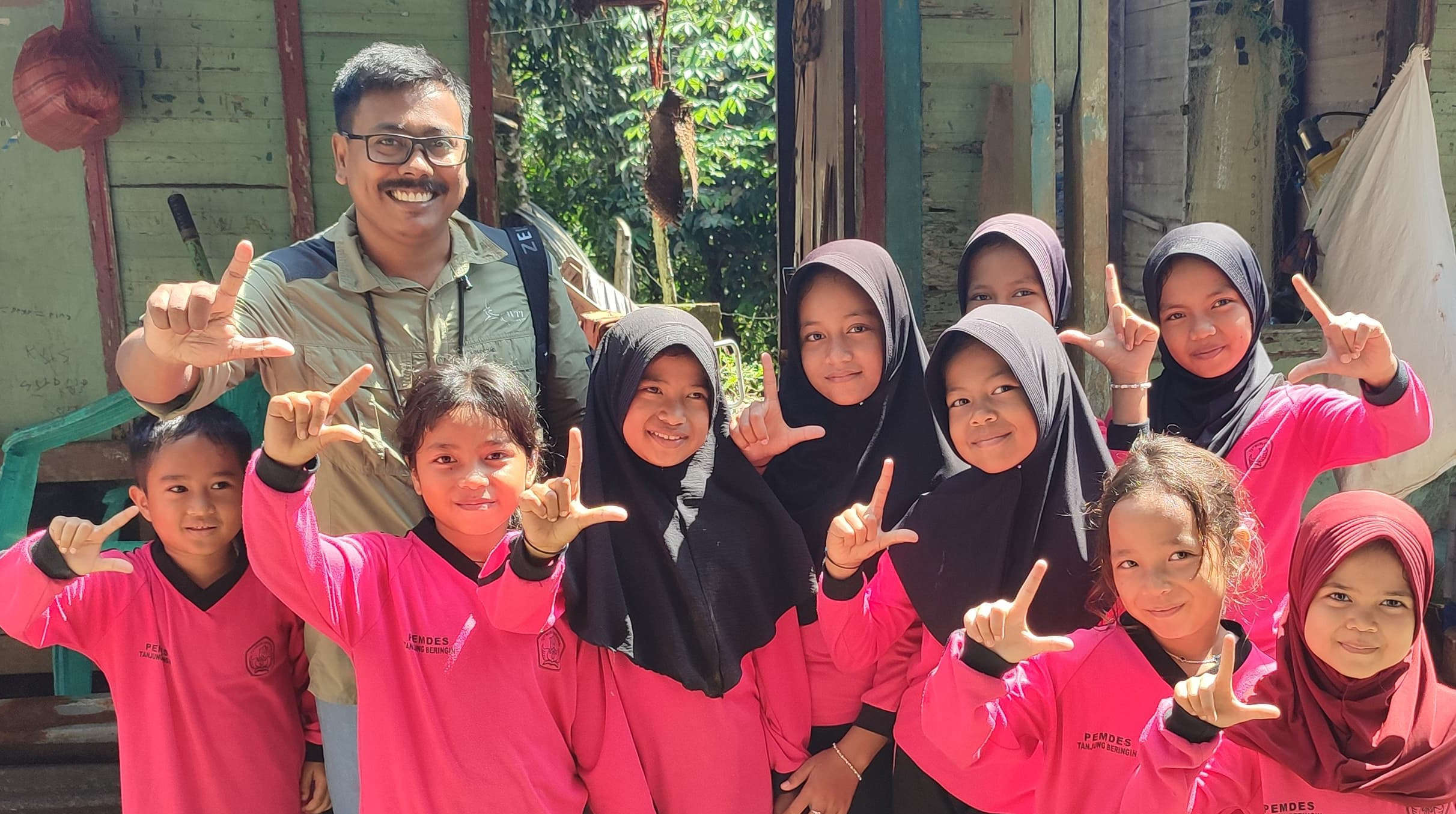
Team WTI in interaction with Dubalang-community patrollers | Photograph by YAPEKA
WTI and YAPEKA will explore future collaboration on Human–Wildlife Conflict (HWC) mitigation in the Rimbang Baling Landscape. Together, we aim to strengthen community-led conservation frameworks and develop knowledge-sharing platforms for the Sundarban & Rimbang Baling landscape. Together, we will also explore ways for the PRT (community volunteers) of Indian Sundarban and Dubalang of the Rimbang Baling Landscape to be a part of such exchange programs and learn from each other’s experiences.
The Sundarbans Tiger Project is supported by German Co-operation, Kfw, IUCN and West Bengal Forest Department under ITHCP (Integrated Tiger Habitat Conservation Program). The project aims at developing infrastructure to support the government for managing human-tiger conflicts as well as develop select village communities at various levels along with also addressing three issues – losses incurred due to human-tiger conflicts, poverty of fringe village dwellers as well as the emergent climate change related crises.
By Prosenjit Sheel, Project Head, Sundarbans Tiger Project