The Insidious and unseen – Silent realities of human-wildlife conflict in Wayanad
Walking through the misty roads of Wayanad, early in the dawn, a settling feeling brushes over you, one that makes you content and proud. A growing fondness for the land takes root, as you stand astonished by the heaven that Wayanad is. I feel blessed to belong here.
The more you explore, the more it unfolds. Everywhere you turn, your eyes catch glimpse of life; Grey hornbills trying to find a mate, White-rumped vultures soaring high above in pursuit of cleaning up the next mess, Malabar gliding frogs at your window saying ‘Hello’, a common trinket snake crossing your path just to surprise you, tigers crossing roads like a routine, and elephants foraging in your backyard undisturbed. Amidst all of it would also be children racing on their bicycles and strangers smiling at you with warmth for no reason.
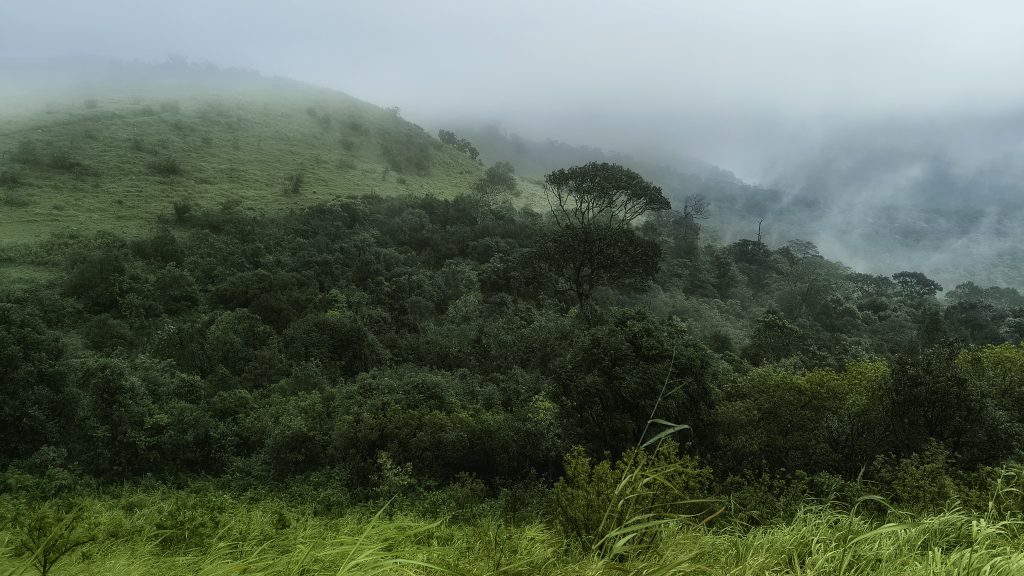
Located in the north-eastern part of Kerala, Wayanad hosts dense forests, majestic hills, mesmerizing waterfalls, vast paddy fields and sprawling tea, coffee and pepper plantations.
A break in the harmony
Wayanad lies within the Western Ghats, a part of the Nilgiri Biosphere Reserve and connected to major protected areas such as Mudumalai, Bandipur, and Nagarhole, forming a continuous wildlife habitat. This is also the reason why life sustains in this particular piece of land. Lately however, there have been growing tension between humans and wildlife. Conflict is on the rise, posing a serious threat to the landscape and life itself.
It has been three years now that I have been working as a biologist with the Wildlife Trust of India’s Wayanad Conflict Mitigation Project. My initial goal was to understand the wildlife and how they use their habitat in the landscape. Over time however, I realised that this study was incomplete without incorporating the human dimensions as well. When I began looking into the human aspect of the conflict, I realised that it was complex. It was necessary to delve into human psychology and sociological aspects, understanding how events and incidents shape people’s behaviour and influence their perceptions towards wildlife, and how this has been leading to negative interactions, as of late.
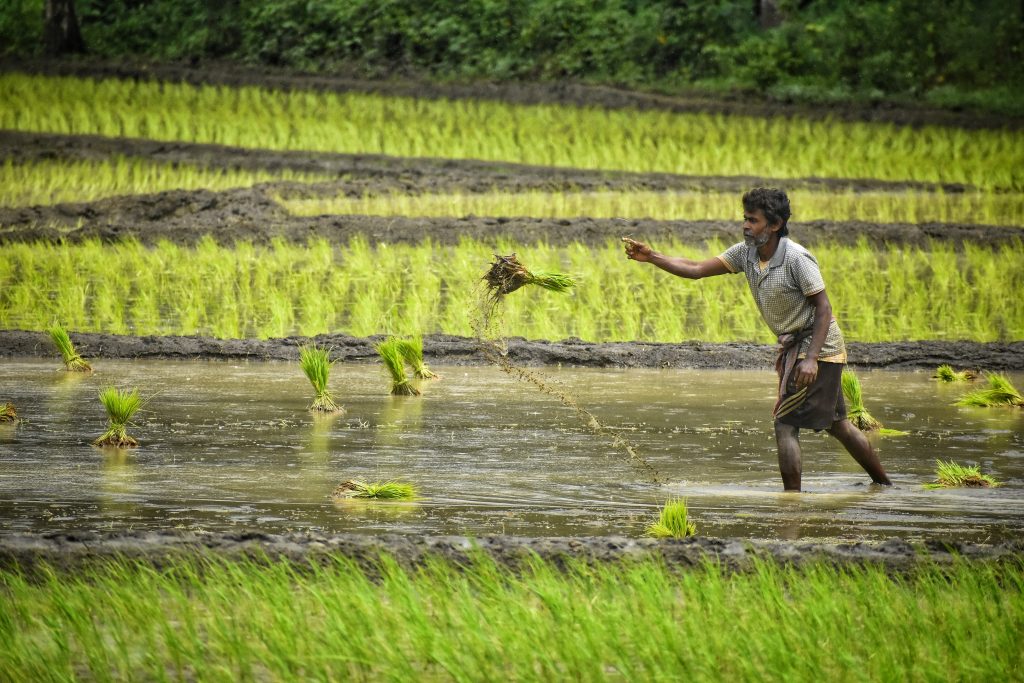
Paddy fields on the fringes of forests and consequently experience regular wildlife interactions
The People of Wayanad
The community here is as diverse and rich in tradition as the land itself. The region is home to various indigenous groups, including the Paniyas, Kurumas, and Kattunaykans, who have lived here for centuries. These indigenous groups coexist alongside settlers from other parts of Kerala and neighbouring states like Tamil Nadu and Karnataka. Agriculture has been the backbone of social life here, with farming being a common occupation. Wayanad has a mixed economy that relies heavily on agriculture, tourism, and a growing service sector. The fertile soil and favourable climate makes it an ideal place for growing crops like rice, coffee, tea, spices, and rubber.
With rising tourism, Wayanad has seen a boost in economic activities linked to hospitality, transport and handicrafts, contributing to the region’s development. People of Wayanad however maintain a strong connection to their land, culture, and traditions while navigating the complexities of a rapidly changing economic landscape. Their social and economic lives are shaped by a blend of ancient customs and modern influences.
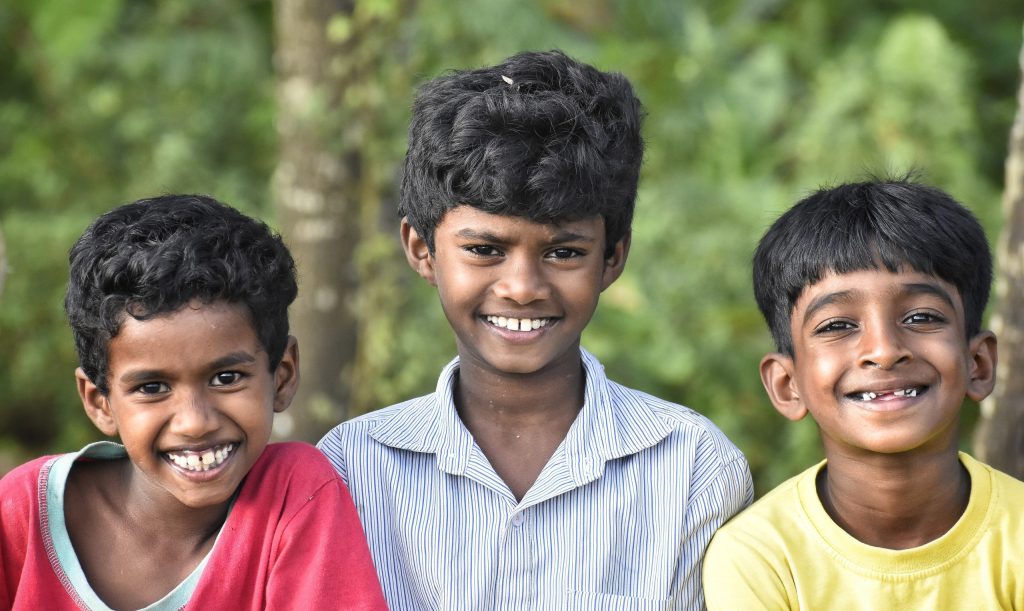
People have coexisted with wildlife for centuries in Wayanad. But things have changed over the past three years.
Tea Shop Conversations
Near our field station stands an old tea shop run by an elderly man. It has just a couple of benches, a table but always the aroma of freshly brewed tea. Every morning, while the sun rises, about twenty elderly men are already gathered there. They all grew up in the village, share decades of friendship, and have made the stall their meeting place. Lively discussions about the news and current affairs fill the air, over the regional daily that comes in early each day. In that quiet village, the tea shop becomes the most vibrant corner, buzzing with conversations, laughter, and stories. Most days, we too become a part of the conversations. From the benches, you can sip your tea while gazing at lush green mountains and paddy fields, with cool mist adding to the scene. Since joining this project, I too have made it a habit to stop by daily.
But something has changed in the past three years. Earlier, men spoke about wildlife with calm acceptance. Their tone has shifted now, they seem more frustrated, even offended, during conversations around wild animals. Without any first-hand interactions with wildlife; their perceptions perhaps rely around the news and stories they hear and read. The gradual change in their attitude made me wonder; if conversations at a single tea stall can shape the way people think about wildlife. About, what might the collective perception be across the whole of Wayanad?
Amid all the visible conflicts unfolding around us, other things quietly take shape in the background, often unnoticed. Slowly, things begin to shift and build. There’s a subtle phenomenon at play; the unnoticed exchange between the human mind’s thoughts and reactions, as we interact with the world around us. The changing perception towards wildlife emerges from a complex interplay of psychological influences and social dynamics, shaped by both personal experiences and collective cultural and social narratives.
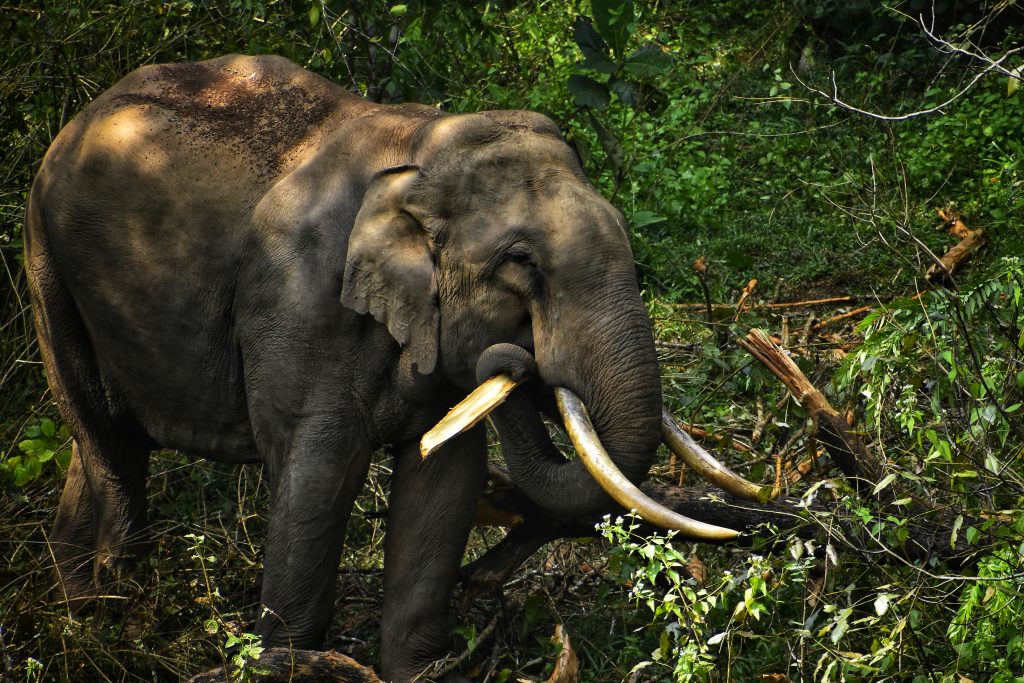
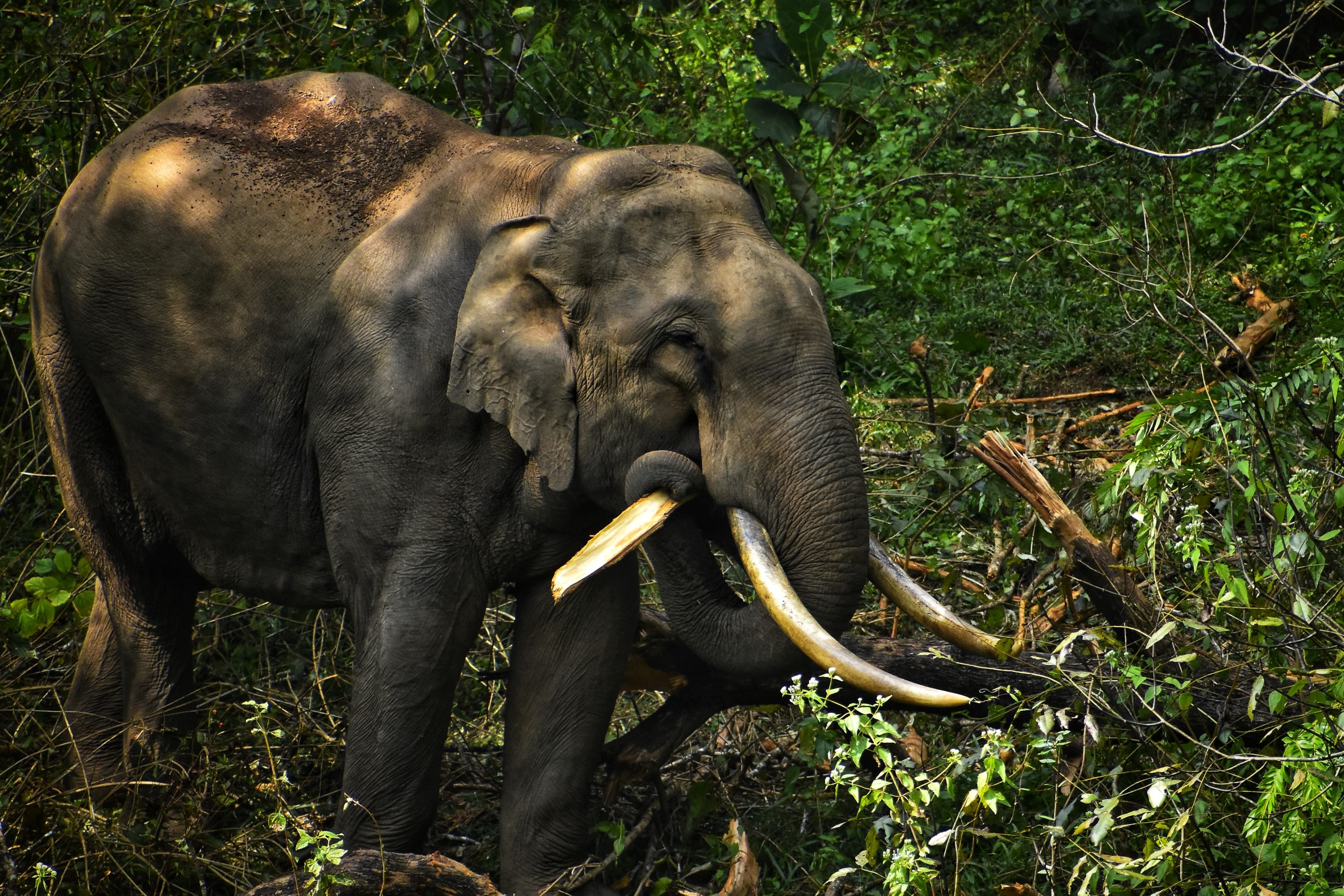
Wild elephant inside a farmland in Wayanad
Indirect Impact and the Availability Heuristic
Cognitive biases such as the availability heuristic play a role in shaping perception; when people judge the likelihood of an event based on how easily they can recall examples of it. If they’ve heard about or seen something happen often, they’re more likely to believe it’s common, even if it’s actually rare, simply because those stories are fresh in your mind. This is the availability heuristic at work. Vivid and repeated stories may shape their perception of how frequent or serious the conflict is and the human mind tends to overestimate the likelihood of such events occurring again, inflating the severity and frequency of occurrence.
This bias often influences misunderstanding, resulting in fear and perpetuate negative stereotypes about wildlife. Further, the lack of knowledge or misinformation about wildlife can foster an environment of fear and mistrust. When people are unfamiliar with the behaviour, ecological role or nature of certain species, they are more likely to interpret wildlife encounters as dangerous. This ignorance is often exacerbated by manipulative or sensationalized narratives that portray wildlife as menacing, which in turn significantly shapes the public’s negative perception.
The Human Mind’s Automatic System
The human brain operates using two systems: the automatic system and the reflective system. The automatic system is fast, intuitive and effortless, guiding many of our everyday decisions through mental shortcuts. For example, subtle cues in our environment, such as the placement of products in a supermarket at eye level or near the billing counter can influence choices without a second thought, even when people did not initially intend to buy them. In contrast, the reflective system is slow, deliberate, and analytical, allowing us to carefully evaluate options and consider long-term consequences.
Engaging the reflective system requires effort, and people often rely on their automatic system, even when they “know better.” In the context of human-wildlife interaction, the first instinctive response generated by the automatic system often determines the outcome of an encounter. This immediate reaction has the power to shape the whole scenario for better or worse. It can either promote coexistence by keeping it neutral or escalate the situation or turn it into a conflict. The automatic system can get conditioned to perceive wildlife as a threat, fuelling fear and hostility. If this continues happening, reversing such implanted negative responses may become very difficult.
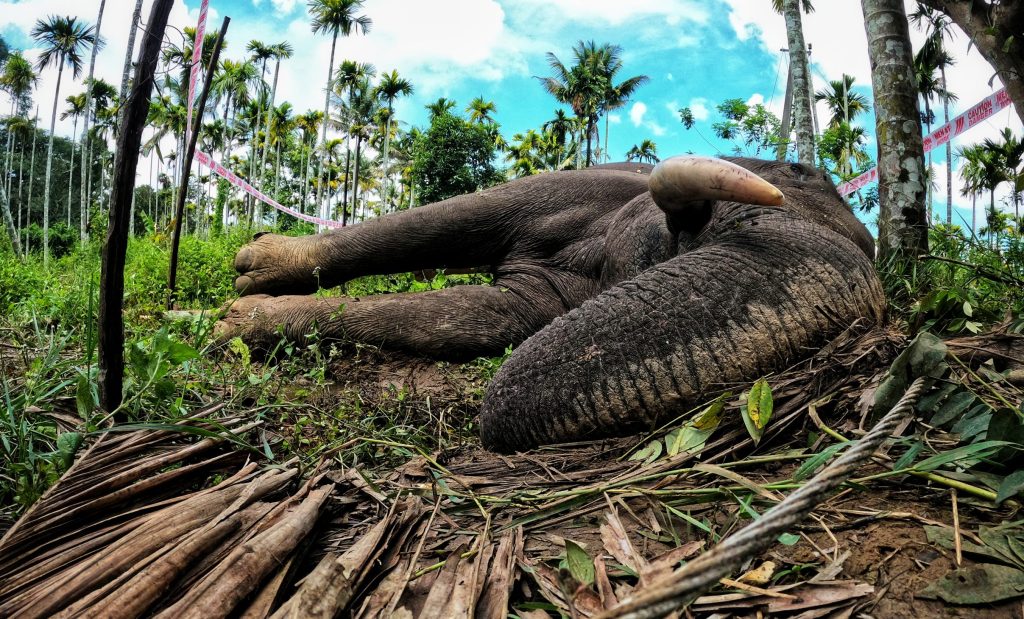
Elephant death due to electrocution in Wayanad
Following the Herd: The Bandwagon Effect
The Bandwagon Effect is when individuals adopt certain behaviours, beliefs, or attitudes primarily because others are doing so. It shows how people often follow what seems popular, without thinking carefully or considering their own preferences; “others are doing it, so I will do it too.” When repeated across individuals, this pattern gradually becomes a powerful social influence that shapes how people make decisions. People are always influenced by what others do, and they learn from others.
This is a good thing, but the context of learning matters, as others are not always right.
People often end up following the herd in subtle but powerful ways. Buying things simply because they are trending, spreading opinions just because they are widely accepted, or reacting emotionally because others around them are doing the same. These behaviours are rarely random; they are driven by a desire to fit in, a fear of missing out (FOMO), and an underlying need to avoid public opinion or judgment. Together, these forces shape how individuals think and act, often without them even realizing it.
At present, the people of Wayanad are in an environment where the mere presence of big cats or elephants, or any interaction with them, is considered a threat and is quickly converted into a conflict situation, a trend that Wayanad has adopted in recent years. It has reached a point where any kind of interaction with wild animals turns into a conflict situation. This is how certain behaviours spread from person to person and from one community to another. Individual behavioural changes can accumulate and spread through groups, gradually influencing and shaping broader social patterns. What may seem like a minor phenomenon, can, over time and collectively, influence the fate and future of a landscape.
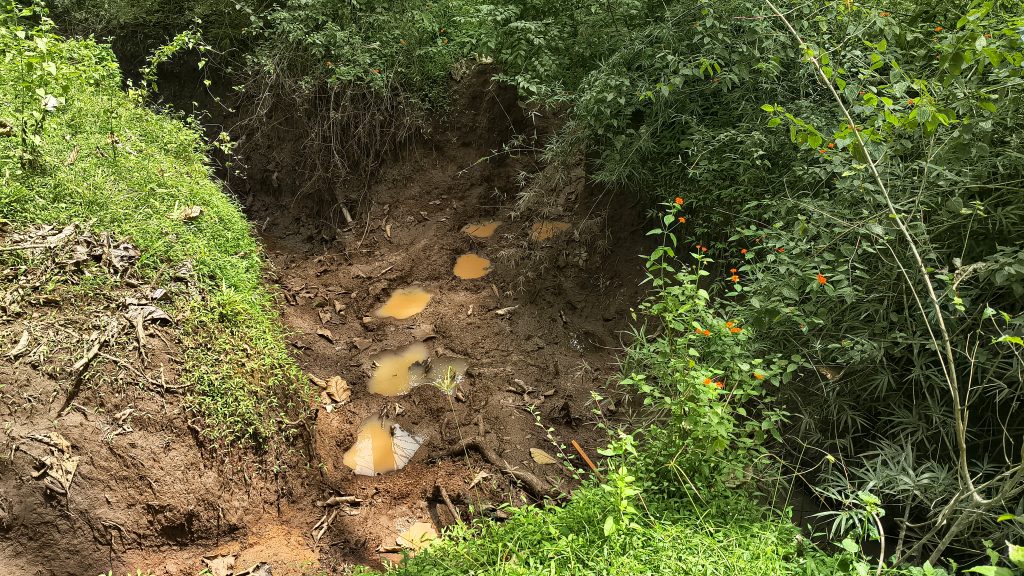
Signs of wild elephant movement around human habitation in Wayanad
Media Representation and its Impact
The way wildlife is represented in the media, from documentaries to movies, have strongly influenced how people see wildlife. Positive portrayals, like those in nature documentaries, create a sense of awe and appreciation, while negative portrayals that show animals as dangerous can increase fear. Newspapers and channels in particular play an important role, especially in places like Wayanad. By using sensational headlines and evocative language, they often present animals such as elephants, leopards, tigers and wild boars as threats to human safety and wellbeing. This creates a view of humans versus wildlife, where animals are seen as a problem rather than part of the same ecosystem. Over time, this kind of messaging has led to fear, anger, and resentment among people, and increased support for actions like capturing or killing these animals.
Media outlets frequently exaggerate the severity of conflicts through dramatic language and victim-centric stories, with a strong focus on fatalities and injuries. In recent times, there has been a noticeable shift towards a more sensationalist tone in reporting on human-wildlife interactions. These reports often use emotionally charged, alarmist language that creates a false sense of fear, portraying wildlife as the antagonist. Fear is good but not phobia. At the same time, they tend to overlook the root causes of conflict, such as habitat fragmentation, environmental degradation, and the spread of invasive species.
Repeated exposure to such narratives creates a distorted sense of reality and heightens fear. With the availability heuristic coming into play, rare incidents appear far more frequent and dangerous than they actually are, leading even those without direct experience to develop fear and mistrust. As stories circulate within and across communities, collective beliefs begin to take shape, often portraying conservation authorities as ineffective or biased toward protecting animals over people. In places like Wayanad, this has led to growing pressure on forest departments, sometimes at the cost of ecological balance.
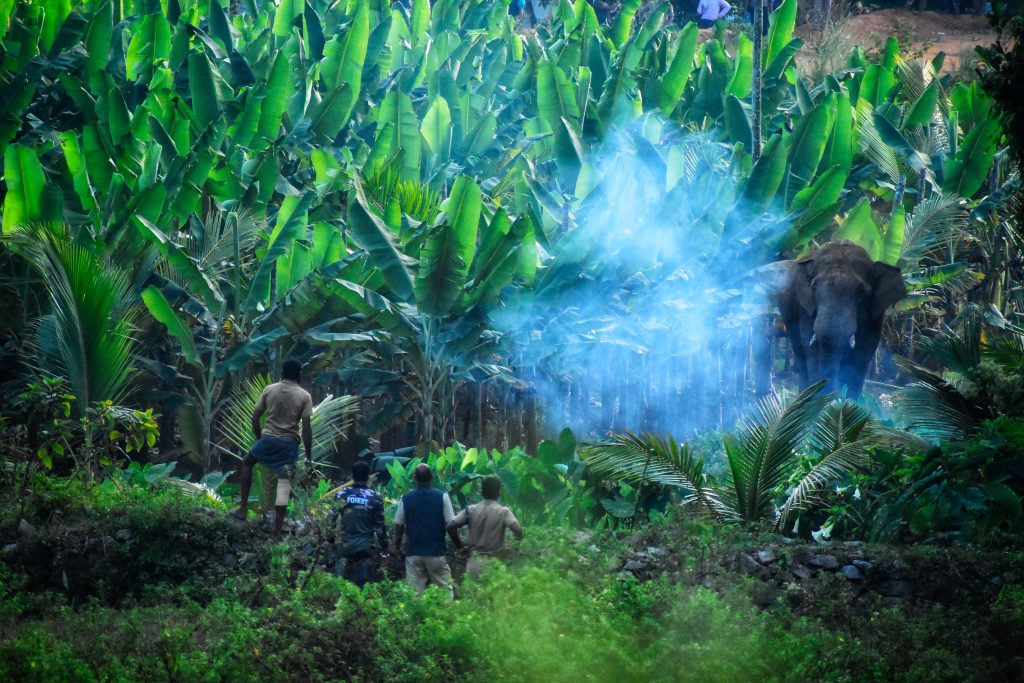
Forest department officials trying to ward off wild elephants from human habitation and croplands
Social media and the Ripple Effect
The term “Ripple Effect” refers to the far-reaching consequences that stem from an initial event or action. Like the ripples caused by a stone thrown into water, the impact gradually spreads outward, affecting people, places, and situations. These consequences often unfold over time, sometimes becoming more significant as they extend further from the source. The ripple effect can be both positive and negative, with the spread of consequences often unpredictable in nature. There remains a clear cause-and-effect pattern, where one event triggers a chain reaction that influences other aspects of life.
Social media posts about human-wildlife interactions circulate fast and reach a wide audience within a short period of time. Even a single share can trigger a chain of interactions and create a ripple effect among the public, ultimately influencing public perception and behaviour. In recent years, social media posts featuring wildlife in Wayanad, particularly tigers, leopards and elephants are often no longer presented in an engaging or neutral manner as they once were. Instead, they are increasingly presented as immediate threats.
Many posts about wildlife encounters are shared without full context or accurate information. Dramatic images and videos, often accompanied by suspenseful or villainous background music, tend to spread rapidly online, exaggerating risks and strengthening negative perceptions. This has led to unnecessary fear and hostility toward animals, particularly in regions where communities already live close to wildlife. The effects go beyond what we see; the ripple is real.
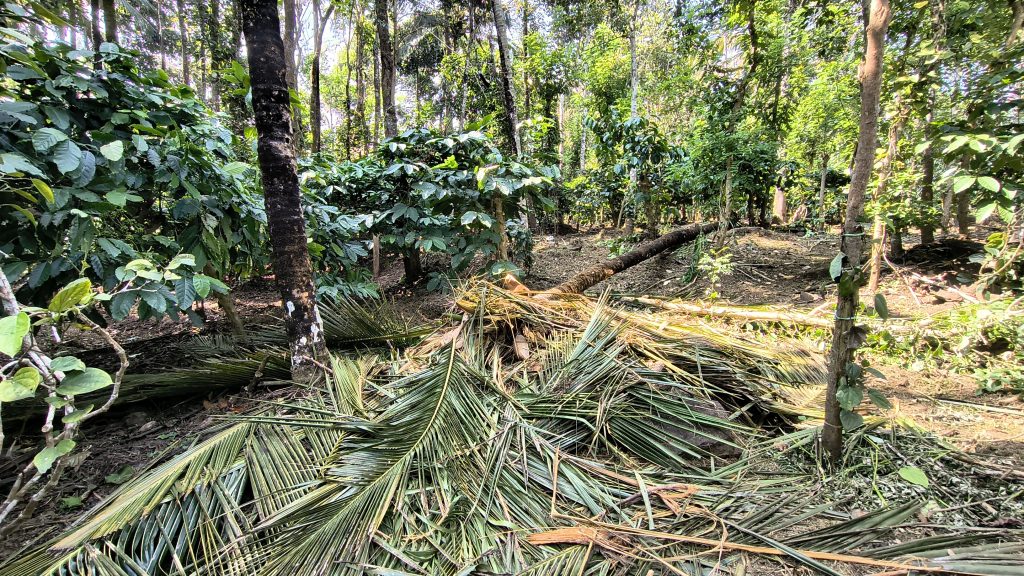
Crop damage by wild elephants in a village in Wayanad
“How Is the Conflict There?”
Whenever my friends call, there’s one question that almost always comes up: “How is the wildlife conflict there?” They sound genuinely concerned, asking if I’m safe and reminding me to be careful. It is alarming to see how people who are not from Wayanad are forming an idea about the region and are being influenced. Over the years, I’ve noticed a change. Earlier, when they called, the topic of human-wildlife conflict never came up. Instead, they were always eager to hear my stories of any wildlife encounters.
When stories are passed from one person to another, their narration changes depending on the storyteller. The details often get magnified, altered, or even lost along the way. Sometimes the story fades, while at other times it becomes exaggerated to a great extent. Yet, regardless of how it transforms, it leaves an impression positive or negative that can shape a person’s perception over time. Perceptions, I’ve come to realize, are as fragile as they are powerful. A few stories, repeated often enough, can reshape how an event is seen, turning wonder into wariness.
The Tipping Point
A tipping point marks the moment when momentum for change becomes unstoppable, whether in social movements, political revolutions, or economic shifts. In this case, the negative shift in people’s perception towards wildlife, has already reached a point where it could potentially steer the landscape away from coexistence and toward its collapse.
The consequences could extend beyond immediate conflicts to long-term ecological and social impacts. Increasing intolerance toward wildlife may lead to stronger demands for removal or elimination of animals, further straining conservation efforts and disrupting ecological balance. At the same time, trust between communities and conservation authorities may weaken, making it more difficult to implement sustainable solutions. Reversing this trend will require an immediate shift in how narratives are shaped, promoting balanced reporting, addressing root causes of conflict, and fostering awareness that promote coexistence rather than fear, and yes a tipping point can sometimes be reversed, but it depends on the process and how far beyond the tipping point it has moved. How far have the people reached?
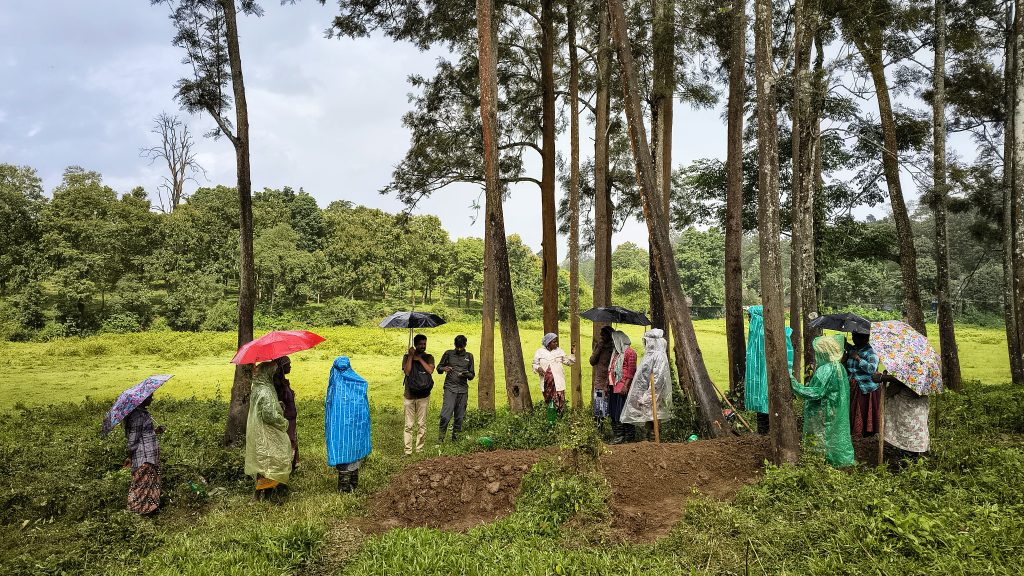
Community engagement activity towards mitigating human-wildlife conflict by the team of Wildlife Trust of India
It’s not too late, or is it?
Wayanad, like many other regions, is facing pressure from urbanisation and development. Expanding towns and new road networks are slowly changing the landscape. On one hand, these changes show people’s desire for progress and it is okay and on the other hand, the negative perception towards wildlife is also growing. When development combines with changing perceptions, it puts Wayanad at a critical point, where balancing human needs and nature becomes more difficult. Only time will tell if Wayanad follow the path of other rapidly urbanizing regions, where once-thriving ecosystems give way to concrete landscapes? Will people begin to view wildlife only with fear and hostility?
The desire for infrastructure, economic growth, and better living standards is understandable. Yet, as human populations expand alongside growing negative perceptions and intolerance, the degradation of the landscape can accelerate, like adding fuel to an already burning fire. Will people recognize the true value of forests and nature only after they are gone? Many regions face this harsh reality, realizing the importance of nature only when it is close to disappearing. If this continues, Wayanad risks losing itself. This path could lead to a loss of biodiversity, fragmented habitats, and a breakdown of the long-standing relationship between people and wildlife.
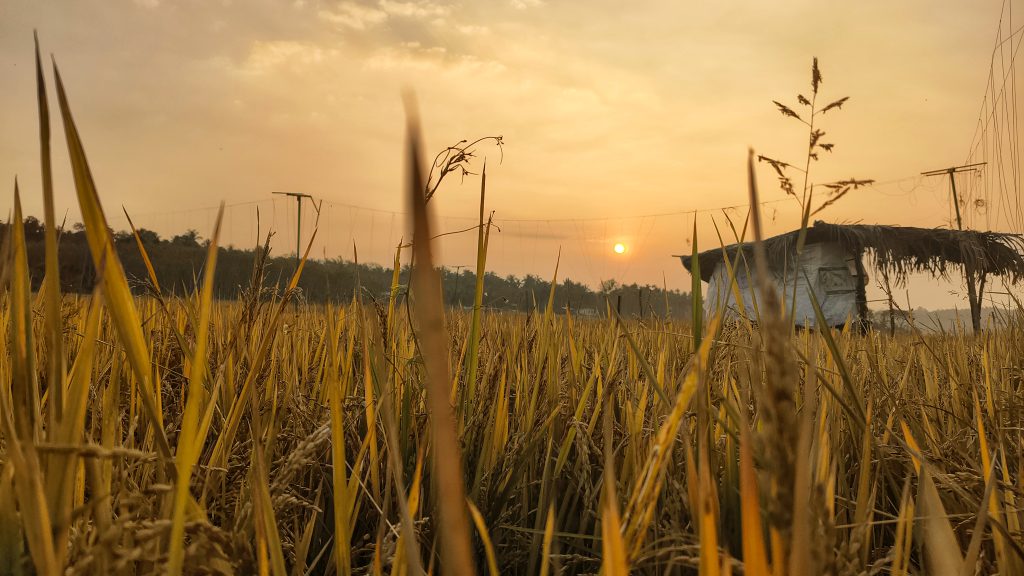
The time to rethink and act is now, before Wayanad becomes a place remembered more for what it lost than for what it protected.
However, this does not have to be Wayanad’s future. With sustainable development, community-driven conservation, and policies that balance wildlife protection with human well-being, the region can move forward without sacrificing its unique ecosystem. A more conscious approach to development, one that understands both ecological values and the needs of local communities, offers a way for Wayanad to grow while preserving the natural heritage that defines it.
In the end, the responsibility lies not only with policymakers but also with the people. The choice is clear: continue on a path that leaves nature behind, or choose a future where both people and wildlife can live. I wish the tea stall conversations change soon and wildlife is again talked about with the awe and magic, it demands. Of course, this is not only about Wayanad.
Story and photographs by Sujnan MK, Biologist, Wayanad Conflict Mitigation Project, Wildlife Trust of India.