Photo story: Turning the Tide – Safeguarding Sambhar’s Winged Visitors
The 2019 mass mortality disaster at Sambhar Lake was devastating, but effective preparedness and collaboration has helped prevent another crisis this year.
Text and photographs: Adil Arif/WTI
Sambhar Lake is India’s largest inland saline wetland. It sprawls across 190 km² in Rajasthan, touching the districts of Nagaur, Jaipur, and Ajmer. Its shimmering waters not only support local livelihoods through centuries-old salt production but also serve as a vital wintering ground for thousands of migratory birds. Recognised as a Ramsar Site, this wetland plays a critical role along the Central Asian Flyway, providing food and shelter to diverse avifauna.
Among its seasonal visitors, greater and lesser flamingos (Phoenicopterus roseus and Phoeniconaias minor) stand out as the lake’s most iconic inhabitants. These elegant birds, with their striking pink plumage, filter-feed on blue-green algae (cyanobacteria) and tiny crustaceans, thriving in the hypersaline environment. Sambhar Lake’s ecological richness makes it a sanctuary for waterbirds that depend on saline ecosystems for survival.
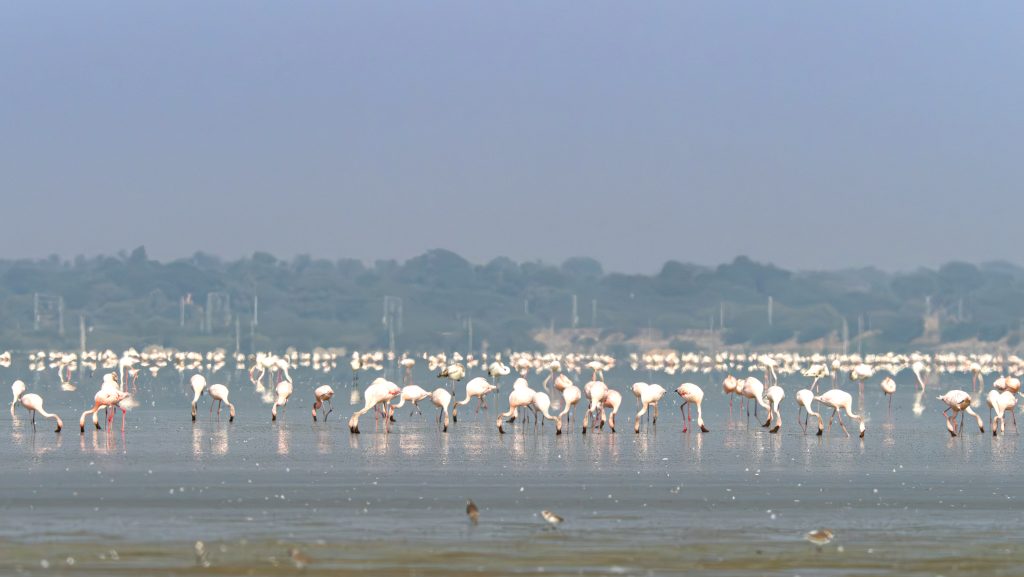
A vibrant congregation of lesser flamingos (Phoeniconaias minor) feeds in the shallow, saline waters of Sambhar Lake, utilising their uniquely structured bills to extract nutrient-rich algae and crustaceans. This wetland serves as a key stopover for migratory birds along the Central Asian Flyway
Despite its beauty, Sambhar Lake’s fragility became alarmingly clear in November 2019, when a devastating avian botulism outbreak resulted in the deaths of 22,983 birds. The lake, which had long been a haven for migratory species, was suddenly transformed into a site of tragedy.
The first reports of mass bird deaths surfaced on November 10, 2019, raising concerns of avian influenza. However, extensive testing revealed avian botulism, a fatal neuromuscular disease caused by Clostridium botulinum bacteria. This toxin thrives in stagnant, low-oxygen waters, paralyzing birds and often leading to death by drowning or starvation.
Species like Black-winged Stilts (Himantopus himantopus), Pied Avocets (Recurvirostra avosetta), and Northern Shovelers (Spatula clypeata) were among the hardest hit. Their feeding habits in shallow waters made them especially vulnerable to ingesting toxins and contaminated prey.
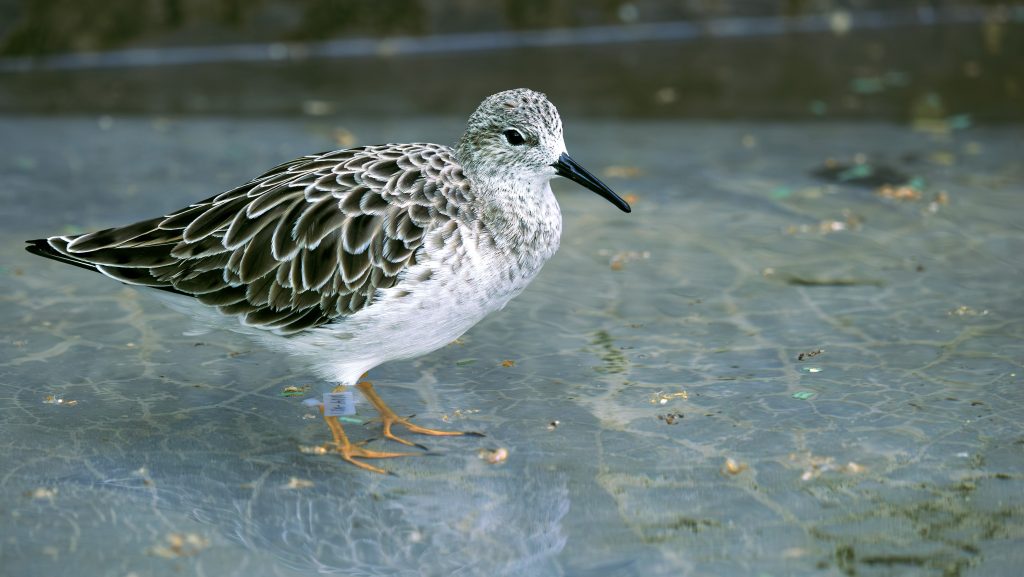
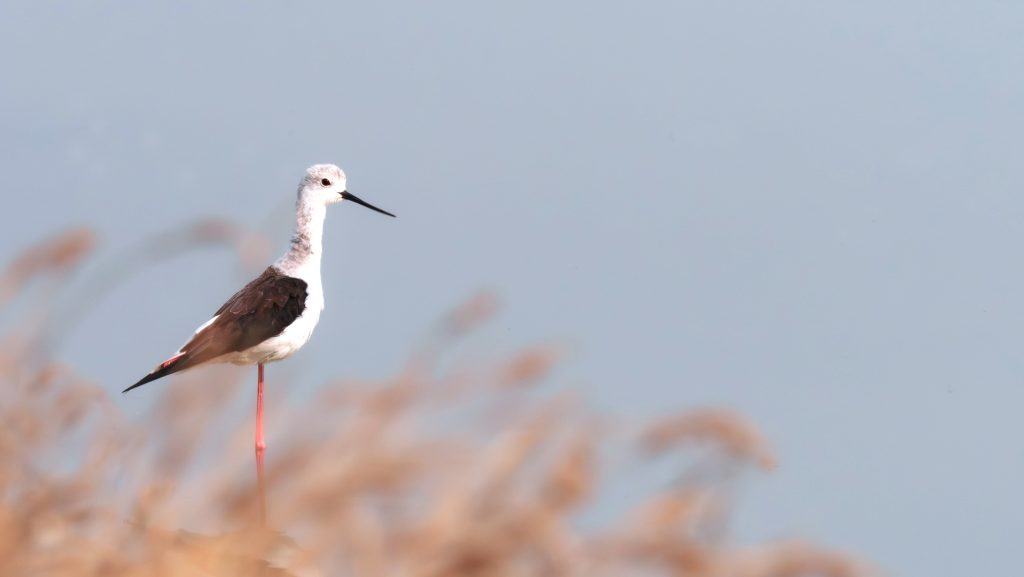
2024 saw more than 30,000 migratory birds visit the Sambhar Lake, including species like Ruff (Top) black-winged stilts (Bottom), northern shoveler, common teal, sandpiper, Eurasian curlew, and lesser flamingoes among others.
In the wake of the crisis this year, authorities and conservationists mobilised a coordinated emergency response. Teams from the Rajasthan Forest Department, State Disaster Response Force (SDRF), Animal Husbandry Department, and NGOs like Raksha and Hope and Beyond sprang into action.
Their first priority was to safely remove carcasses to halt the spread of the outbreak. Simultaneously, two rescue centres—one at Kachroda and another at Meethri—were set up to treat affected birds.
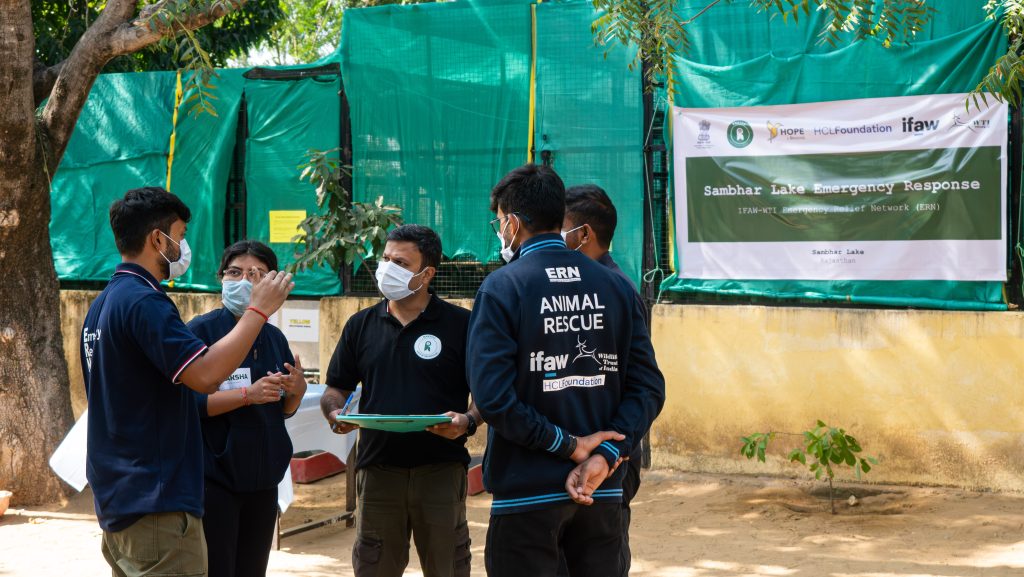
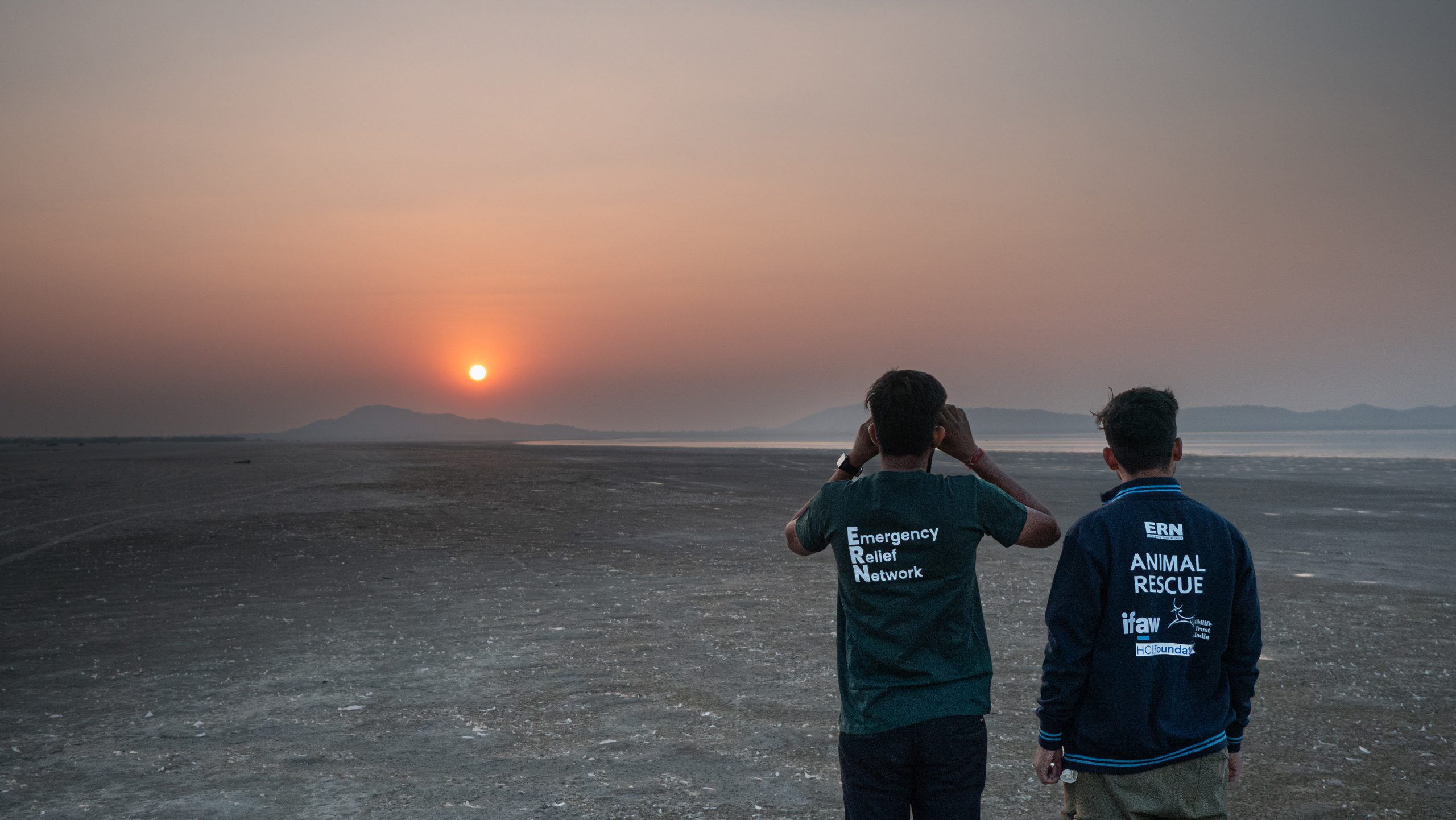
IFAW-WTI Emergency Relief Network team prepares for the day’s rescue and recovery efforts at Sambhar Lake, coordinating with forest officials, disaster response teams, and NGOs to manage the avian botulism crisis.
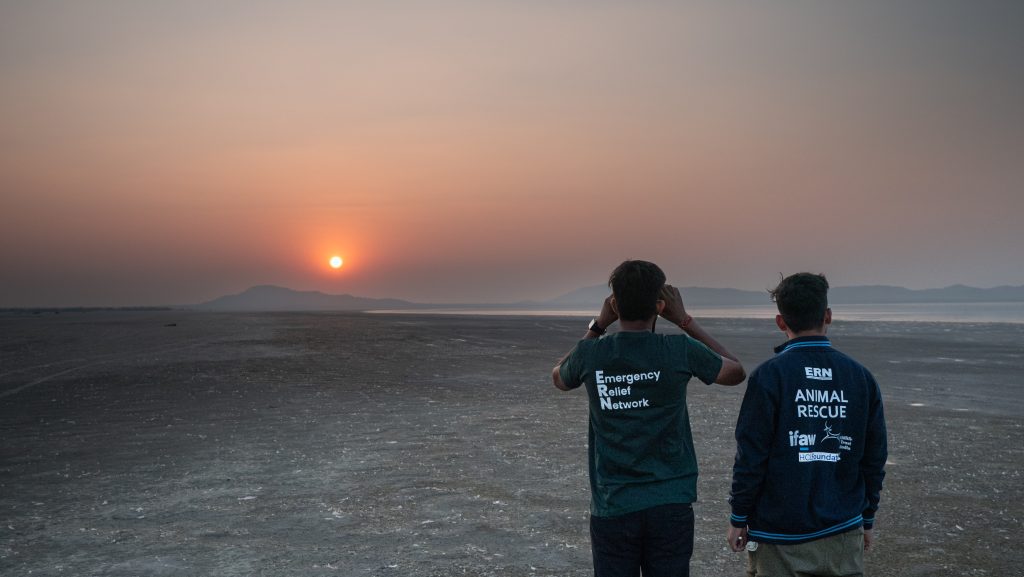
Rescue teams scan the vast stretches of Sambhar Lake, searching for sick or distressed birds. Armed with medical kits and protective gear, they carefully removed carcasses and rescued survivors to contain the outbreak.
Rescue volunteers worked tirelessly, combing the lake’s vast expanse to locate survivors. At the rescue centres, the birds were assessed and provided with life-saving treatments—including hydration therapy, oxygen support, and nebulisation to ease respiratory distress. Specialised avian incubators maintained warmth, helping stabilise the birds.
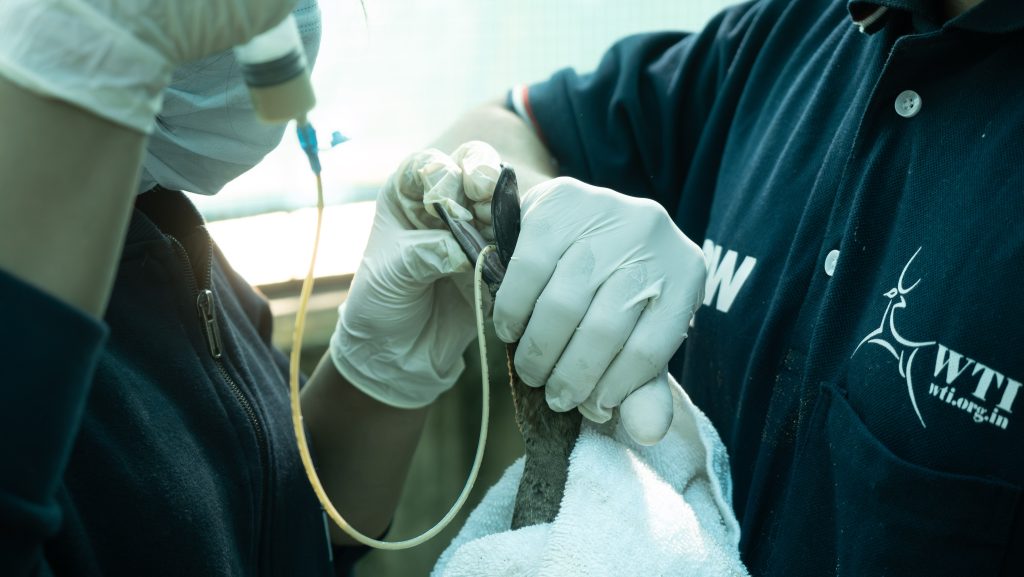
At the rescue centres, volunteer veterinarians assess the condition of each bird, administering treatments and monitoring progress to give them the best chance of survival.
Daily monitoring ensured proper nutrition and weight gain, while clean enclosures prevented infections. Generous support from organisations like HCL Foundation and IFAW provided the essential resources needed to sustain these efforts. As the birds regained their strength, their tags—used for monitoring during rehabilitation—were removed. Under the supervision of the Forest Department and Animal Husbandry teams, they were released back into the wild. Watching them take flight again was a moment of triumph—a symbol of resilience and hope.
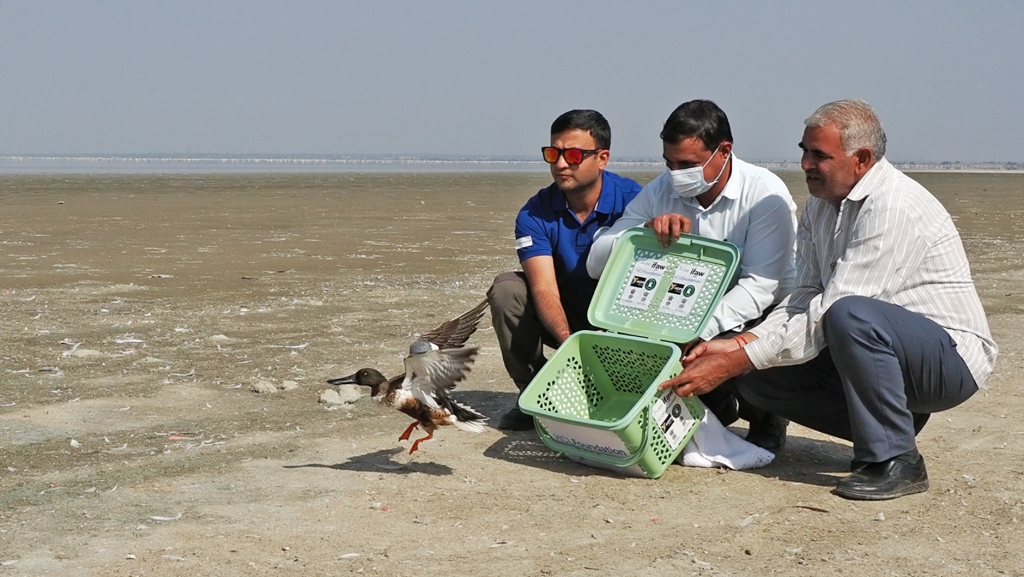
Once fully recovered, birds have their tags removed and are released back into their natural habitat. Watching them take flight is a testament to the tireless efforts of everyone involved.
The tragedy of 2019 prompted authorities to adopt a proactive approach towards monitoring and preparedness. By October 2024, early indicators of distress among avian populations were observed, necessitating an immediate response. Leveraging insights gained from prior experiences, teams were able to act expeditiously, thereby averting a potential catastrophe. This year, fewer than 1,300 deceased birds were documented, in contrast to the situation in 2019.
While the immediate threat has passed, challenges remain. Unsustainable salt extraction, habitat degradation, and fluctuating water levels continue to threaten Sambhar Lake’s delicate balance. Sustained efforts are needed to ensure its long-term protection.
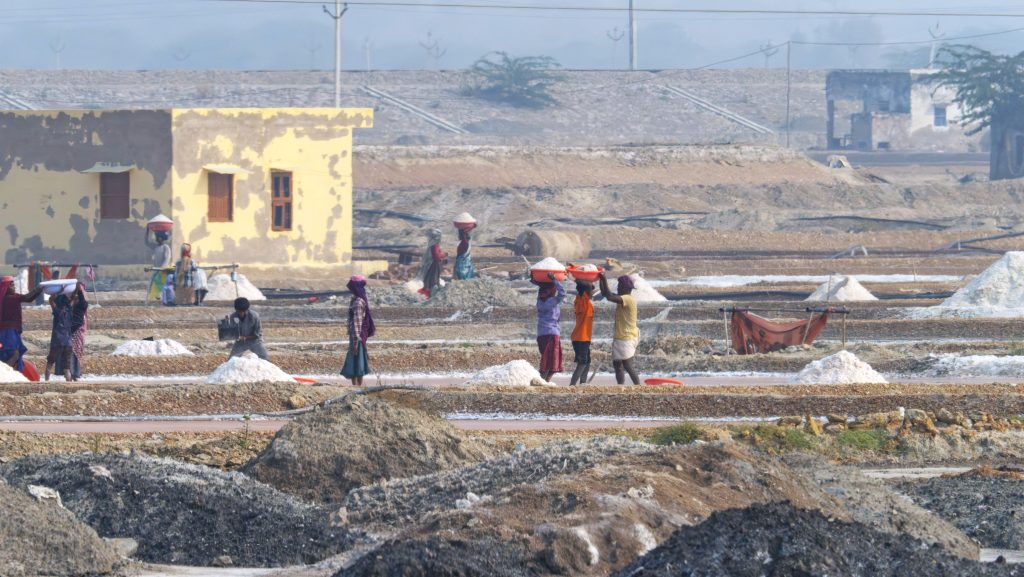
Salt workers harvest minerals from Sambhar Lake, where traditional salt extraction methods date back centuries. However, unsustainable practices are impacting water levels and threatening the lake’s habitat, highlighting the delicate balance between preserving livelihoods and protecting biodiversity.
Sambhar Lake’s survival depends on us. You can make a difference by:
- Supporting Conservation Efforts – Donate or volunteer with organisations protecting wetlands.
- Raising Awareness – Share Sambhar’s story to highlight the importance of wetlands.
- Promoting Sustainable Practices – Advocate for policies that balance conservation with livelihoods.
- Join us – Work with IFAW-WTI Emergency Relief Network.
Together, we can ensure Sambhar Lake remains a sanctuary for its winged visitors, now and for generations to come.
Adil Arif works as a Programme Officer in WTI’s Communication Division. He has vast experience as a naturalist across India’s tiger reserves and is also a photography mentor for Olympus (OM Systems).