The boy with the slingshot; Hunger, hope and the space between survival and conservation
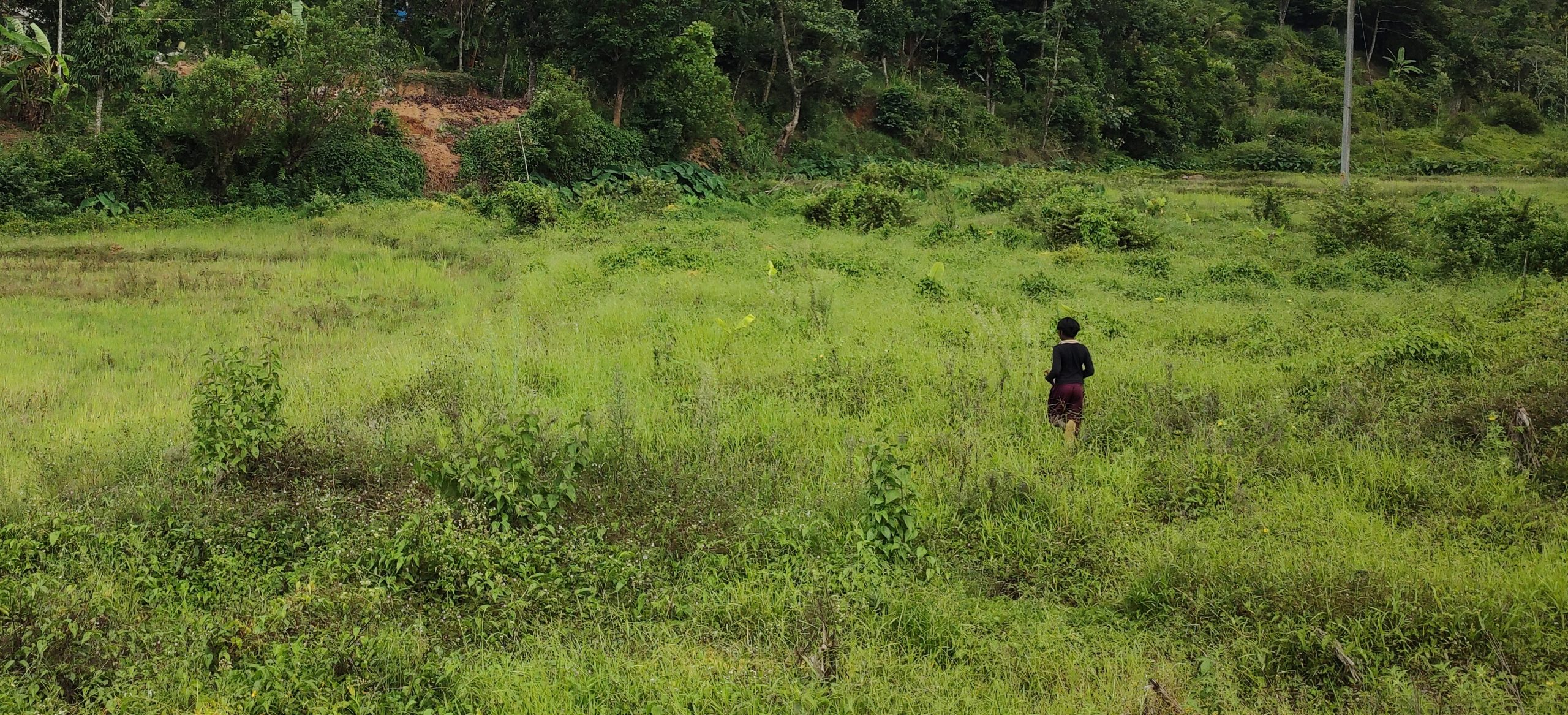
It was June, late in the afternoon, around 4:30 pm, as I rode back from a field visit in the northern part of Wayanad, Kerala. The air was humid and fresh, the cool breeze brushing against my face as I inhaled deeply. I watched the mist drift through the lush, moist mountains standing tall on the left. The narrow road went through vibrant paddy fields, still glistening from the summer rain. The sky was overcast, with dark clouds veiling the sun and casting a soft, moody light over the landscape. I spotted a variety of birds: cattle egrets wading through the field, a flock of common mynas in flight, long-tailed shrikes perched on electric wires, and my favourite, the Indian roller resting on a tree branch. There is something magical about the moment the Indian roller spreads its vivid blue wings like a sudden flash of sky, an unexpected streak of colour tearing through the stillness. I parked my bike, reached for my Nikon D7200 with the 70–300mm lens, and quietly moved closer. Just as I was lining up my shot, I noticed a young boy in the field. He held a handmade slingshot crafted from a “V” shaped woody branch and an old rubber tyre tube. Curious, I asked him, “What do you do with that?”
“I use it to catch birds,” he replied.
“Why?” I asked.
“To eat,” he said.
I was struck silent, stunned by the unfamiliarity of it, followed by a rush of curiosity. Bird meat! It caught me off guard, yet why should it? I eat birds too, like most people do, chicken, usually. It’s a common part of many diets. The difference is, my meat comes packaged, far removed from the reality of its origin. Behind that lies a process just as unsettling; hens crammed into overcrowded cages, living in stressful, unsanitary conditions. They’re roughly handled, packed into transport crates, and taken to slaughterhouses where they’re shackled, stunned, and killed. I’m not justifying his act, but reflecting on it. The boy wasn’t doing anything fundamentally different, but just more directly. We’re part of the same cycle, only separated by livelihood and its limitations.
It was his summer vacation, and with nothing else to occupy his time, he spent his days hunting birds. If he didn’t manage to catch any, his family would have nothing more than kanji (rice gruel) for dinner. He was a 6th standard student, and his parents worked as daily wage labourers. He only searched for birds in the fields near his home and never ventured far. That day, I carried a camera. He carried a thetali–a slingshot. I shoot for joy. He shoots for survival.
“What kind of birds do you catch?” I asked.
“Any bird that I can get close to, within 15 to 20 metres,” he said. His ammunition? Small stones.
Here I was, a person interested in bird photography and conservation, someone who never had to worry about where my next meal was coming from, standing face-to-face with a boy who hunted not for sport or cruelty, but out of necessity. I couldn’t bring myself to lecture him or tell him to stop. This wasn’t a hobby for him. It was survival. And I couldn’t help but wonder, what is right here? So I watched him. I watched the way he walked through the field, stealthily and silently, just like I did with my camera. He noticed every bird’s presence and movements in the area, just like the photographer in me does. The difference was striking. I shoot with a camera as a hobby to capture their beauty. The photos sit on an SD card or light up a screen. He shoots with a slingshot to fill his plate, to avoid going to bed without a proper meal. As the sun faded and night crept in, he left the field, disappointed and empty-handed.
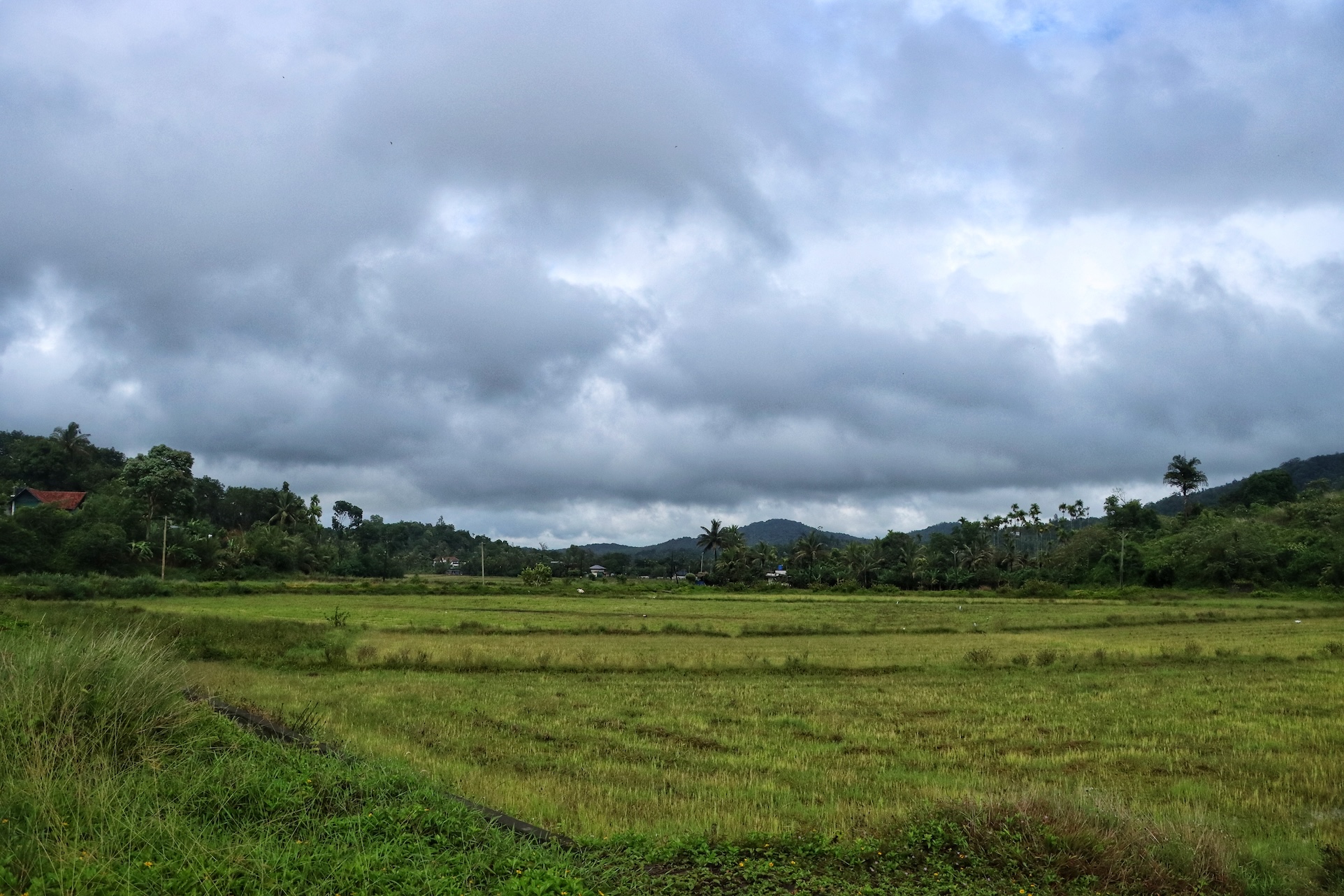
On the way back from the field | Photograph by Sujnan M.K./WTI
As I rode back to the field station after our unexpected encounter, the boy remained in my thoughts. One particular question echoed in my mind, one I hadn’t asked him; What would make you stop hunting birds? The answer seemed obvious; improving their socio-economic conditions. If there were food security and stable income, perhaps he wouldn’t have to walk through muddy fields with a slingshot during his summer break. But then another question followed; what alternatives do we offer to satisfy that hunger, not just of the stomach, but of identity, tradition and purpose? Because, for some communities, hunting is not just survival, it’s culture. A learned skill passed through generations, a shared rhythm with the land. If we intervene to change that, even with good intentions, do we risk erasing a part of their nature? Is altering their way of life truly the right path, or is there a way to evolve it to conserve the birds and the culture?
Concerned for the boy and the birds, I returned to the area in the days that followed, hoping to see him again. I had many questions; What did he know about the birds he hunted? Did he know their names, age, and size? His answers could have helped me understand more about the tradition of hunting. Unfortunately, I never saw him again. Out of curiosity, I made a list of birds found in the area which could be potential targets for him. Back at the field station, I searched the IUCN Red List to check the conservation status of the species he was likely to hunt. He could only target common birds; the ones that stay still, forage in open fields, and are used to human presence. Birds that allow him to get within his range. Years of photographing birds in this landscape have made it easier to recognise which species allow close approach, based on their flight responses to human presence. I listed a total of 17 bird species over a period of 15 days.
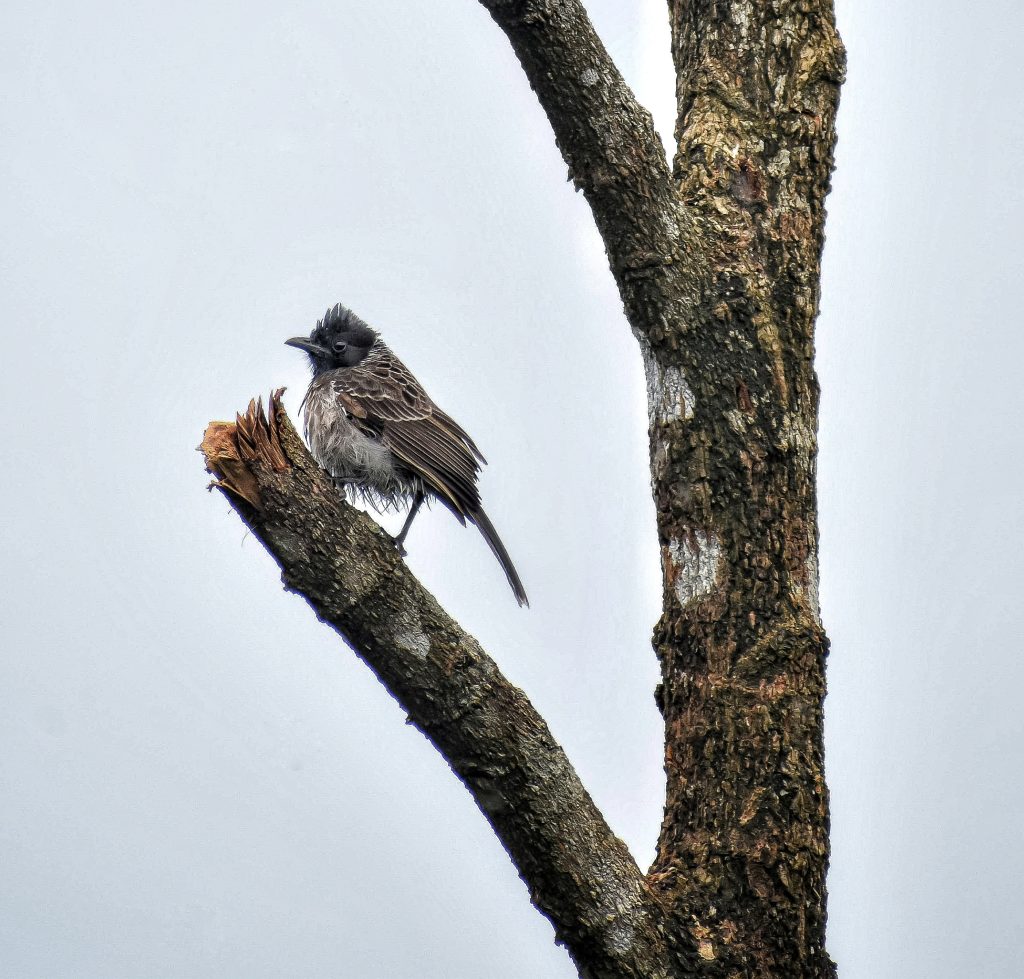
Red-vented bulbul | Photograph by Sujnan M.K./WTI
Flocks of common mynas were consistently seen in groups of around ten. The red-vented bulbul and red-whiskered bulbul often shared space in the same trees. A pair of open-billed storks could be seen probing the mud for snails with their distinctive gapped bills, while spotted doves frequently flew by in flocks. Cattle egrets were a constant presence, seen daily in the fields, and on one occasion, I noticed a little egret among them too. Jungle babblers created a racket in the surrounding bushes, and the magpie robin sang its evening chorus beautifully. White-browed wagtails could be seen actively wagging their tails along the field, while the rose-ringed parakeets flew overhead like a jet. The red-wattled lapwings reacted loudly to my presence, and the pond heron stood perfectly still, blending into its surroundings. The Indian roller put on a display by spreading its vibrant wings, and black-headed ibis joined the gathering of egrets. The scaly-breasted munias fluttered through the grass, never still for long and the long-tailed shrikes perched in an electric cable, patiently waited in silence, observing everything around. I also saw some Asian palm swifts flying around. No wonder they’re called swifts– they’re incredibly quick. I bet the boy could never catch those little birds. To this day, I’ve tried photographing them in flight, and even with shutter bursts and all the effort in the world, I’ve only managed to get a couple of decent shots.
Fortunately, all the birds mentioned are listed as “Least Concern” on the IUCN Red List, and none are considered threatened at the moment. A small relief. The experience has stayed with me, that delicate balancing act between conservation and compassion, between protecting wildlife and respecting human realities. And I’m still left wondering, how do we create a future where both the birds and the boy can thrive?
After a while, on a field visit to another area, I once again came across a couple of kids with slingshots hanging around their necks. Instead of asking, What do you do with this? I asked, What did you catch today? They replied that they hadn’t caught anything, perhaps hesitant to respond openly to a stranger. Not wanting to intrude or ask too many questions, I chose to leave them be, undisturbed by an outsider.
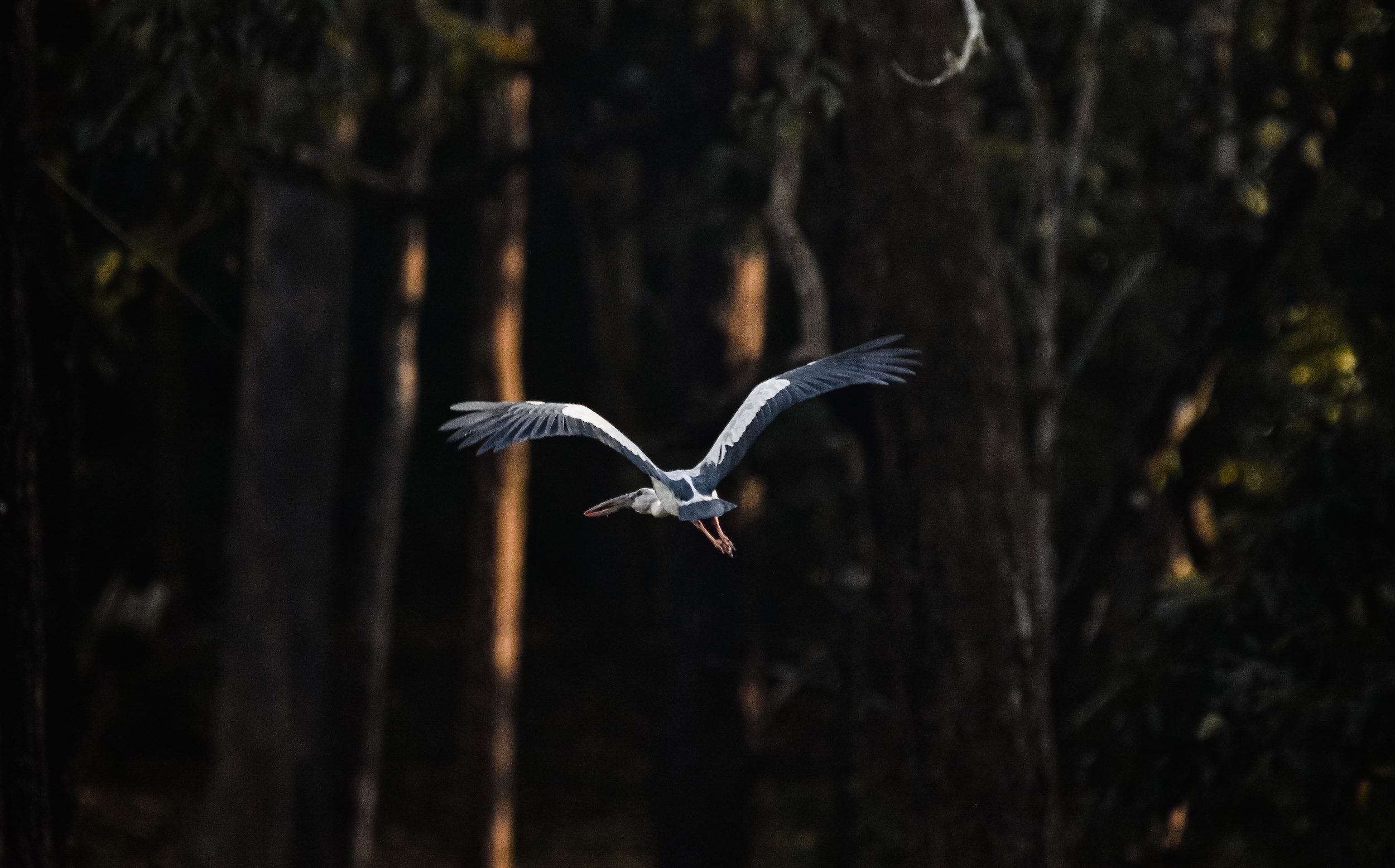
Open-billed stork | Photograph by Sujnan M.K./WTI
I sat with a question that has no simple answer: how do we help both birds and the boy? How do we build a world where conservation is not seen from one’s perception, but as a shared responsibility and a shared opportunity? Perhaps the answer lies not in erasing traditions, but in reimagining them. Can we create spaces where local knowledge is valued, where children learn to track birds not with slingshots, but with notebooks or cameras? Could we offer workshops, school programs, or even small stipends for youth to document biodiversity as citizen scientists– while ensuring their basic needs are met? Community-led conservation has shown success in many parts of the world, where people are not sidelined but made central to protecting the ecosystems they live within. And perhaps, with time, the quiet thrill of spotting an Indian roller through binoculars will outshine the old urge to hunt with a slingshot for food. Of course, these solutions only work if the basics are in place: food security and education.
Conservation cannot thrive on empty stomachs. But once needs are met, passions can emerge and even take flight. The boy with the slingshot taught me something I won’t forget: that conservation isn’t just about wildlife. It’s about people. It’s about empathy. Photography is a form of storytelling, but sometimes, it’s about putting down the camera and simply listening to someone else’s story. In that field, two ways of seeing the world stood side by side, and neither was wrong. But together, they might point us toward something more whole.
by Sujnan M.K., Biologist, Wayanad Conflict Mitigation Project