Project Info



Project Description
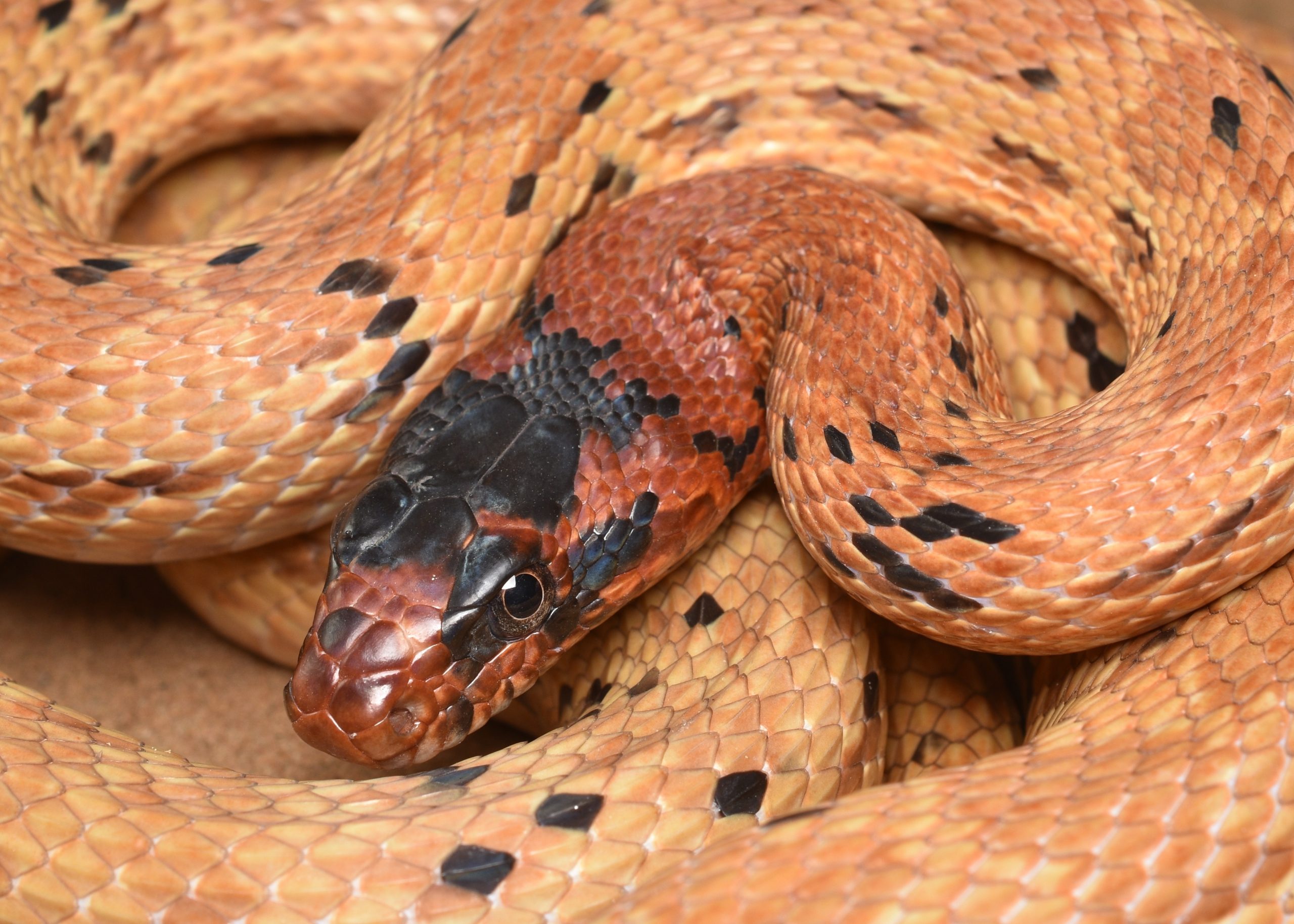
India is known for its rich biodiversity, shaped by its diverse climate, topography, and habitats, which range from tropical rainforests and coniferous forests to dry deciduous forests. This variety supports over 350 species of snakes (both venomous and non-venomous), many of which are endemic to the region. Despite being revered and worshipped in Indian culture, snakes are also widely feared. This fear, often rooted in superstition and passed down through generations, contributes to the ongoing human-snake conflict.
According to a community-based survey titled “the million-death study” published in 2011, every year India alone loses between 40,000 and 50,000 human lives to venomous snakebite (Mohapatra et al., 2011). India is among the most densely populated regions in the world and has the highest incidence and mortality rates due to snakebite (Alirol et al., 2010). Recognising the severity of the problem, the World Health Organisation (WHO) declared snakebites as a “Neglected Tropical Disease” (Chippaux, 2017). People living in rural areas are particularly at high risk due to limited access to healthcare, often relying on traditional medicines and faith healers. Additionally, there is limited public awareness about the government’s ex-gratia/compensation scheme, which provides INR 400,000/- to victims of snakebites. Consequently, driven by fear and retaliation, people often take matters into their own hands and kill snakes during encounters, further escalating the human-snake conflict.
Human-snake conflict is a significant issue, especially in regions where agricultural and forested landscapes overlap. Such conflicts have severe socio-economic and psychological consequences, often affecting marginalised communities, particularly rural agricultural workers. These individuals frequently face life-altering outcomes, such as loss of livelihood, injuries, or even fatalities, leading to financial distress for families already living under vulnerable conditions.
Rajasthan is the largest state by area in India is one of the states that report a high incidence of death due to venomous snakebite. Within the high-burden landscape of Rajasthan, the human-snake conflict manifests across distinct ecological layers, centered heavily around the clinical threat of India’s “Big Four” venomous snake species: Indian Cobra (Naja naja), Common Krait (Bungarus caeruleus), Russell’s Viper (Daboia russelii), and Saw-scaled Viper (Echis carinatus). Big Four are responsible for over 90% of all snakebite cases in the country.
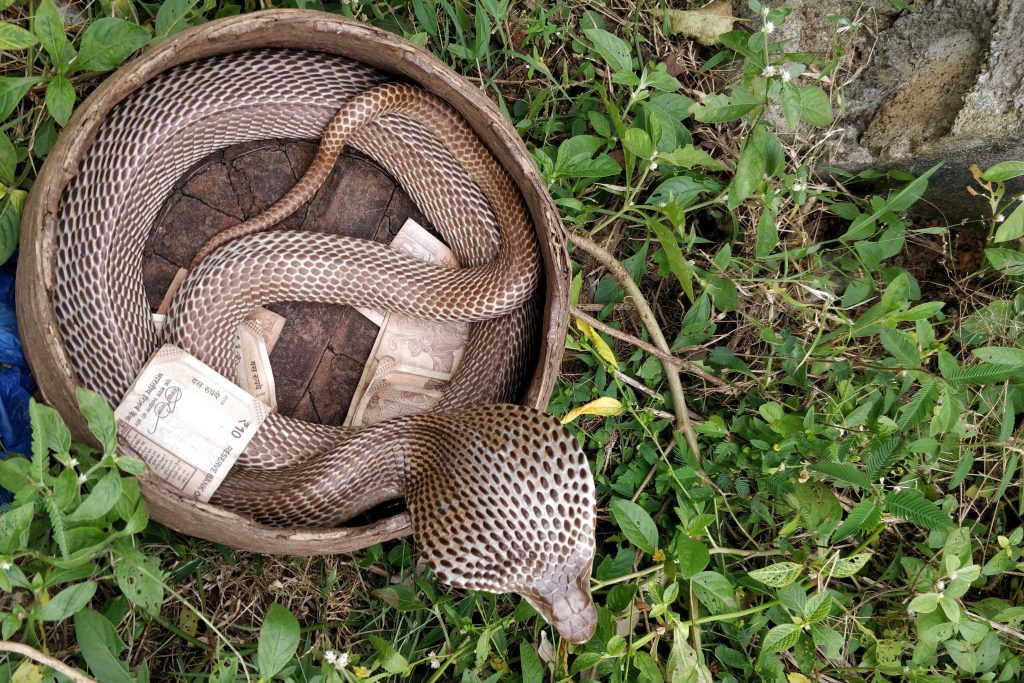
Spectacled Cobra with snake charmer | ©Madhumay Mallik/WTI
To optimize systemic mitigation, the project focuses on three priority sites that capture the state’s diverse geographic and socioeconomic realities:
- Udaipur (Urban & Semi-Urban Interface): A rocky urban area, conflict is mainly driven by Spectacled Indian Cobras and Russell’s Vipers.
- Dholpur (Rural & Ravine Ecosystems): A rural area with farmlands. Conflict is driven by Russell’s Vipers and Common Krait.
- Sawai Madhopur (Rural & Forest Fringe Dynamics): A critical wildlife-human interface where rural villages border protected forest ecosystems. Conflict here is driven by Cobras and Russell’s Vipers, Saw-scaled Viper and Common Krait.
The project aims to address and achieve the following objectives:
Objective 1: Formulate and institutionalize an authorized, uniform Standard Operating Procedure (SOP) validated at the state government level for Udaipur, Dholpur and Sawai Madhopur.
Objective 2: A trained grid of 60 community snake rescuers (20 per target district) equipped and functional with safety field hardware.
Objective 3: At least 95% of active reported conflict incidents logged on the SERPENT platform across Udaipur, Dholpur and Sawai Madhopur are addressed* ecologically sound way. (*No injury to humans, no injury to snakes, snakes are successfully released into the nearest safe habitat).
Objective 4: At least 5900 locals ( 5,000 School Children 870 Community Members 30 Local Health Rescuers) across 9 focal high-conflict villages (3 per district) a are sensitized on snake ecology, encounter protocols and mobile app deployment.
Objective 5: Pilot testing of the “Smart Anti Venom Dispenser (SAVeD) ” – A tech enabled real- time Anti Venom storage unit for Emergency rooms of hospitals to monitor the availability of ASV at hospitals.
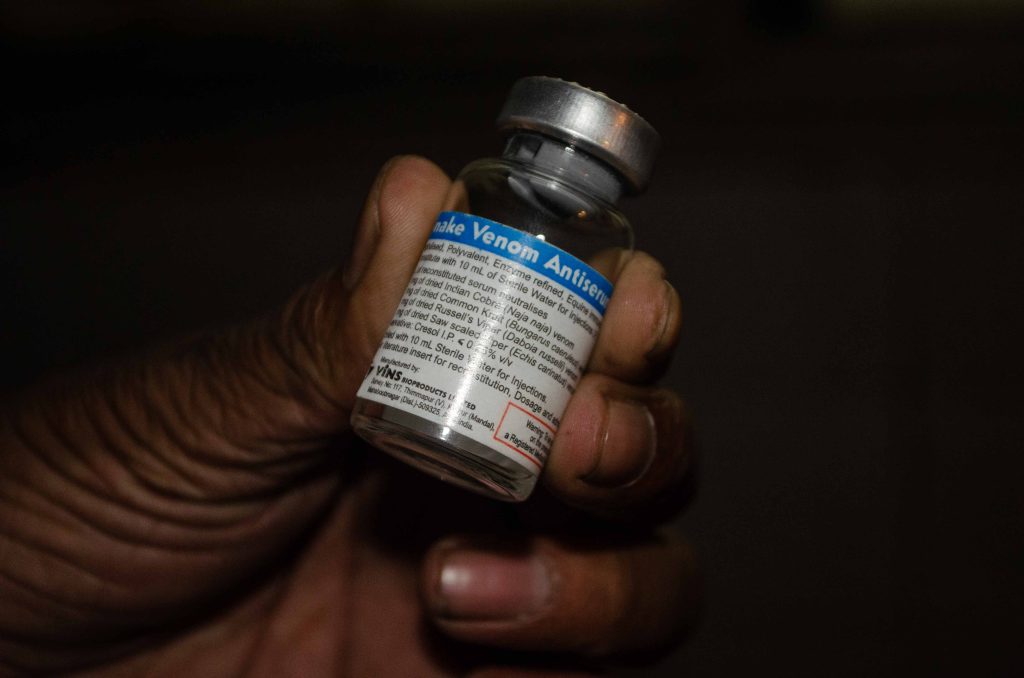
Snake anti venom | © Madhumay Mallik/WTI
Project SERPENT utilizes an integrated, five-pronged “Tech for Good” strategy that bridges public policy, community infrastructure, cloud technology, behavioral science, and IoT logistics. First, it establishes a formal governance baseline by embedding a uniform, state-sanctioned Standard Operating Procedure (SOP) into the Rajasthan Forest Department’s workflow. Second, it builds a permanent, decentralized human resource grid by vetting and training 60 community-based first responders across Udaipur, Dholpur and Sawai Madhopur equipping them with professional “Snake-Safe” toolkits to serve as permanent fixtures in high-conflict areas. Third, it deploys a real-time mobile cloud architecture (adapted from Kerala’s SARPA framework) to automate localized emergency dispatches and track geospatial metadata on QGIS hotspot maps. Fourth, to bypass dangerous treatment delays and dismantle deep-seated myths, the partner with grassroots ASHA healthcare workers and local WhatsApp alert groups to channel communities toward clinical care, emergency response through SERPENT app within the critical medical “Golden Hour”. It will introduce innovative healthcare infrastructure by pilot-testing the Smart Anti-Venom Dispenser (SAVeD), an IoT-enabled and temperature-monitored storage system. SAVeD provides real-time monitoring of Anti-Snake Venom (ASV) stocks in hospitals and connects inventory data to a central cloud platform, helping prevent stock shortages and ensuring timely availability of life-saving treatment for snakebite victims.
PARTNERS: Rajasthan Forest Department, NTT Data
PROJECT LEAD: Dr. Abhishek Ghoshal