Crack down on illegal wildlife trade, 300 Hatha Jodi and other contraband seized
New Delhi, 1st November 2026: Back-to-back enforcement operations in Gujarat and Uttarakhand led to the arrest of six individuals and the seizure of 300 pieces of Hatha Jodi, 115 suspected leopard claws, and several other wildlife articles, including pangolin scales, sea fans, and mongoose hair.
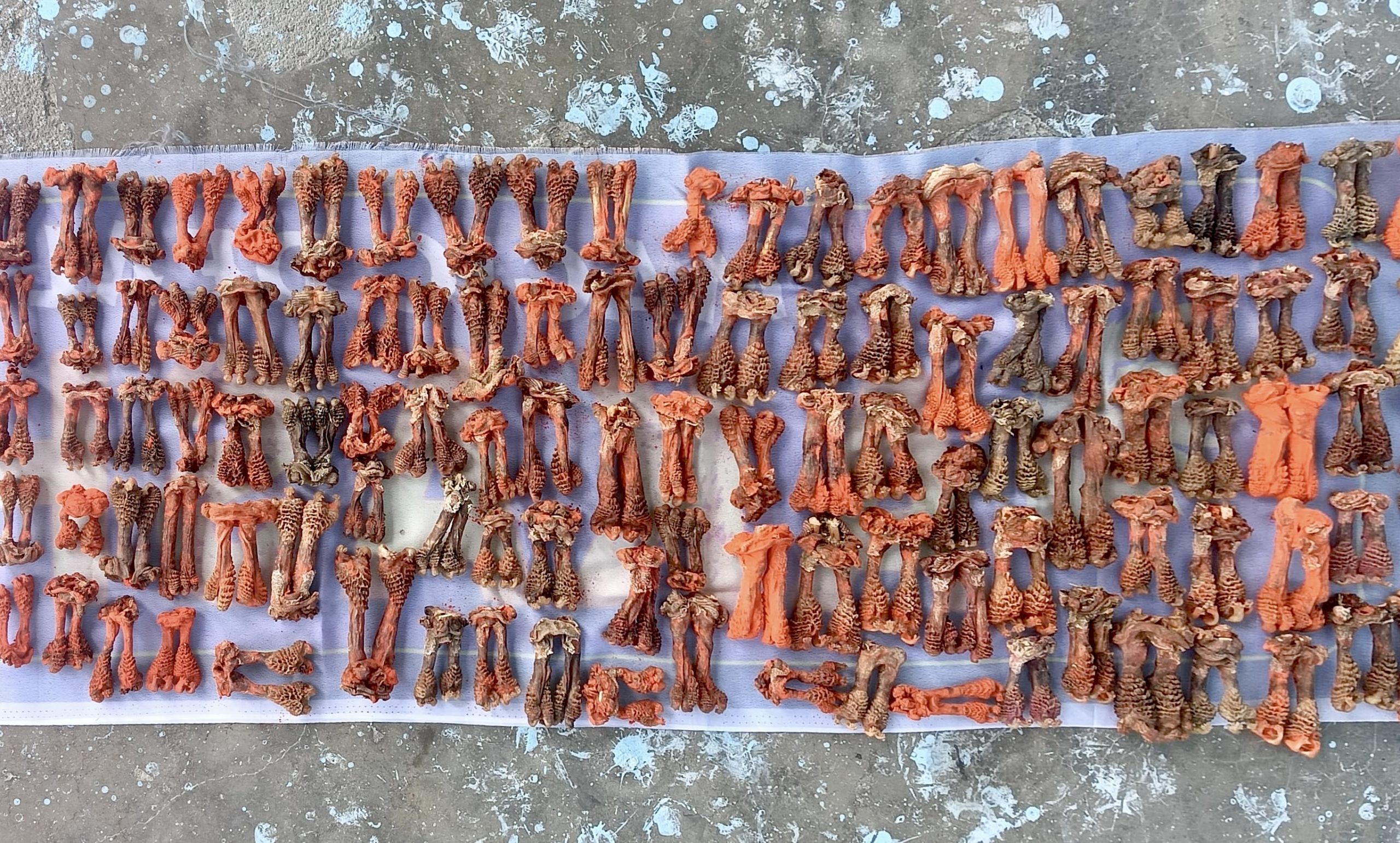
The trade of Hatha Jodi is an illicit wildlife crime involving the trafficking and mutilation of protected monitor lizards
The first operation was conducted by the Gujarat Forest Department in Ahmedabad on 18 October 2026, following information gathered by the Wildlife Trust of India (WTI) about an individual allegedly involved in the illegal trade of leopard claws. After verifying the lead, WTI shared the information with the concerned enforcement authorities. The subsequent operation resulted in the arrest of three individuals and the seizure of several wildlife articles. These included 31 pieces of pangolin scales, 137 pieces of Hatha Jodi, four confirmed leopard claws, 11 sea fans (Indrajaal), 45 pieces of suspected Siyar Singi (made from mongoose hair), and 115 suspected leopard claws.
A week later, on 25 October 2026, WTI’s online wildlife trade monitoring efforts led to another case in Jaspur, Uttarakhand. The team identified an Instagram page advertising Hatha Jodi for sale and shared the information with the Special Operations Group (SOG), Uttarakhand. Acting on the lead, SOG arrested one individual and seized 114 pieces of Hatha Jodi, five pieces of Moti Shankh and one wild pig tusk.
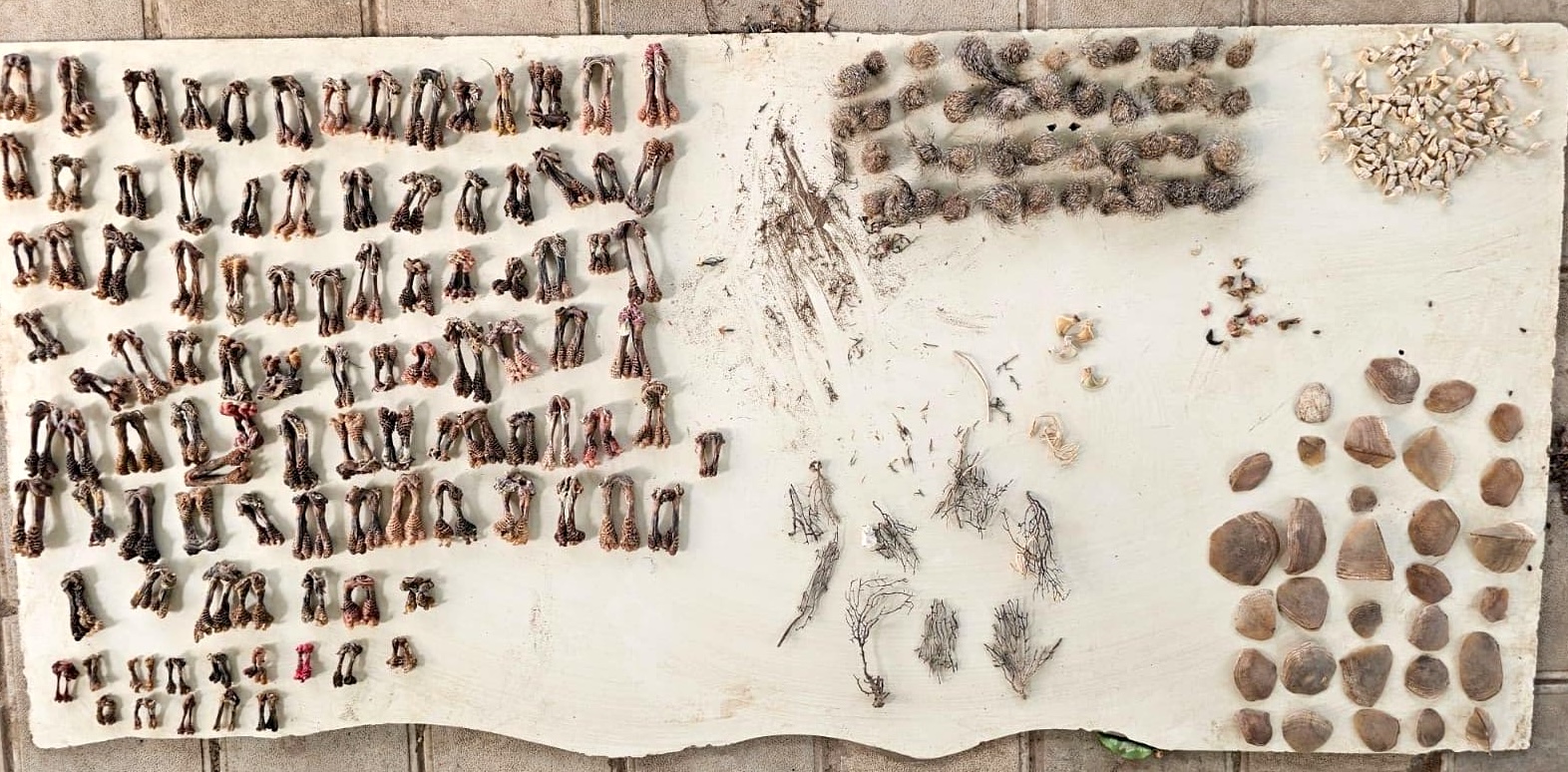
The operations were conducted by the enforcement authorities based on the information gathered by WTI
During questioning, the accused disclosed the identity of a supplier from whom he had been procuring the wildlife articles. This information led to a follow-up operation on 26 October, resulting in the arrest of two more individuals and the recovery of an additional 49 pieces of Hatha Jodi. Further investigation revealed a supply chain in which individuals procured these articles and supplied them to sellers who marketed them online. The information gathered helped establish the link between the supplier apprehended in the follow-up operation and the online seller arrested earlier.
Together, the two operations underscore how online monitoring, verifying leads, and coordinated enforcement efforts can help trace supply chains, uncover interconnected networks and identify multiple individuals involved in the illegal wildlife trade, ultimately strengthening efforts to disrupt the trade in wildlife articles.