Effect of Ocean Pollution and Marine Debris on the Whale Shark, the World’s Largest Fish
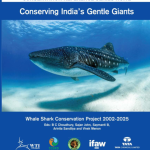
Whale Sharks (Rhincodon typus) are the largest fish in the world and are considered indicators of a healthy oceans. Despite their giant size, reaching lengths of over 18 m, they are harmless filter feeder that primarily consume zooplankton, phytoplankton, krill, fish eggs and small fishes. However, marine pollution, especially plastic and non-biodegradable debris has been a consistent threat to their population. This is especially true for populations aggregating near coastal stretches like the Gulf of Kachchh in Gujarat, that also sees a high volume of marine traffic, in the form of fishing vessels and cargo ships.
Choking the world’s largest fish
The whale shark’s filter feeding mechanism contributes to the regulation of planktonic prey populations while supporting nutrient cycling. The occurrence of healthy whale shark populations is often considered an indicator of productive and ecologically balanced marine environments. Ingested plastic materials may lead to obstruction of the digestive tract, reduce feeding efficiency, induce false satiety, cause deep wounds and infections and expose individuals to toxic additives and persistent organic pollutants adsorbed onto plastic particles. Smaller plastic particles may accumulate within the gastrointestinal system, producing a false sensation of fullness that decreases food consumption and ultimately results in poor body condition and reduced growth. There have been documented cases where plastic debris has been recovered from the gill cavities and digestive tracts of stranded whale sharks indicated mortality due to impaired respiration and feeding.
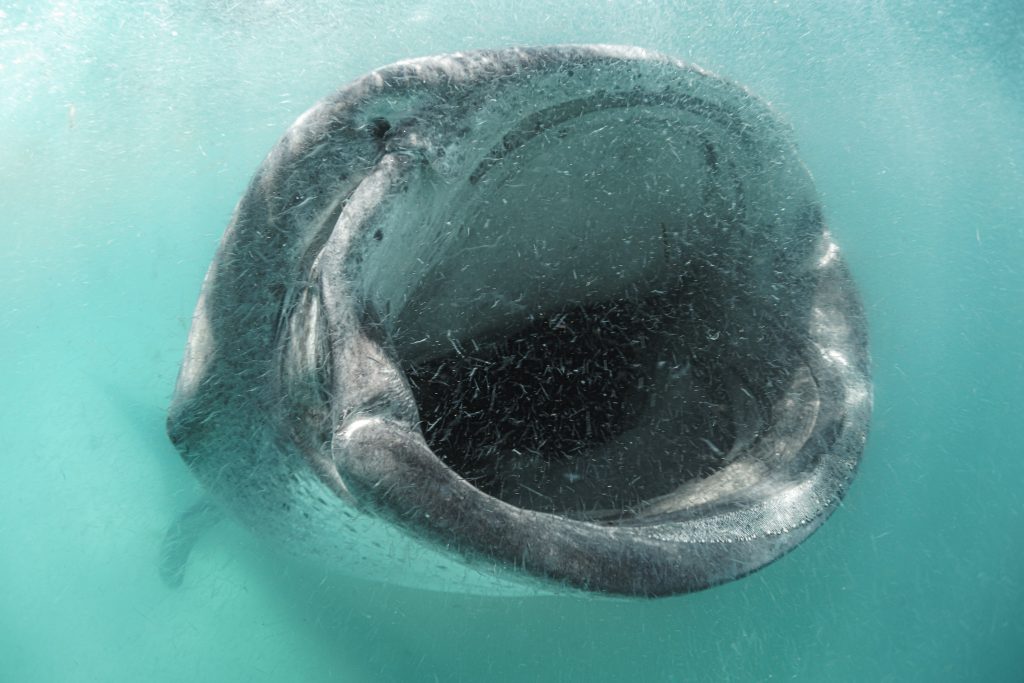
Whale sharks are obligate filter feeders, cycling thousands of litres of seawater while feeding, thus making the fish highly susceptible to the ingestion of microplastics, discarded fishing gear (ghost nets) and other floating debris | Photograph by Simon J Pierce
Furthermore, heavy metals, petroleum hydrocarbons, agricultural runoff and industrial contaminants can bio-accumulate within marine food webs and adversely affect the physiological health, immune function, growth and reproductive performance of whale sharks (Germanov et al., 2018).
Death with plastic
Marine pollution, especially plastic, has become one of the most significant threats to marine biodiversity and numerous endangered marine species worldwide, including whale sharks. It is estimated that millions of tonnes of plastic waste enter the oceans annually through rivers, coastal urbanization, fisheries, shipping activities, and inadequate waste management practices. Once in the marine environment, larger plastic items gradually fragment into microplastics (<5 mm) and nanoplastics, which become widely distributed throughout the water column. Filter-feeding megafauna, including whale sharks, manta rays and baleen whales, are at greatest risk of microplastic exposure because of the exceptionally large volumes of water they process everyday (Germanov et al., 2018).
Plastic materials frequently contain chemical additives such as bisphenol A (BPA), phthalates, and flame retardants and also adsorb persistent organic pollutants (POPs) from seawater. Once ingested, these contaminants may be released into body tissues, potentially disrupting endocrine function, impairing immune responses, reducing reproductive success, and affecting overall physiological health (Germanov et al., 2018; Fossi et al., 2017; Pierce & Norman, 2016).
Juvenile whale sharks are particularly vulnerable because they often inhabit coastal waters where fishing activity is intense.
WTI’s Whale Shark Conservation Project
The Saurastra coast hosts the largest aggregation grounds for Whale Sharks in India. Wildlife Trust of India (WTI) and Tata Chemicals Limited (TCL) in collaboration with Gujarat Forest Department (GFD) has been addressing the direct threats to whale sharks, including hunting and accidental entanglements for the past two decades now. this has led to the rescue and release of more than 1000 whale sharks, that got accidentally entangled in fishing nets.
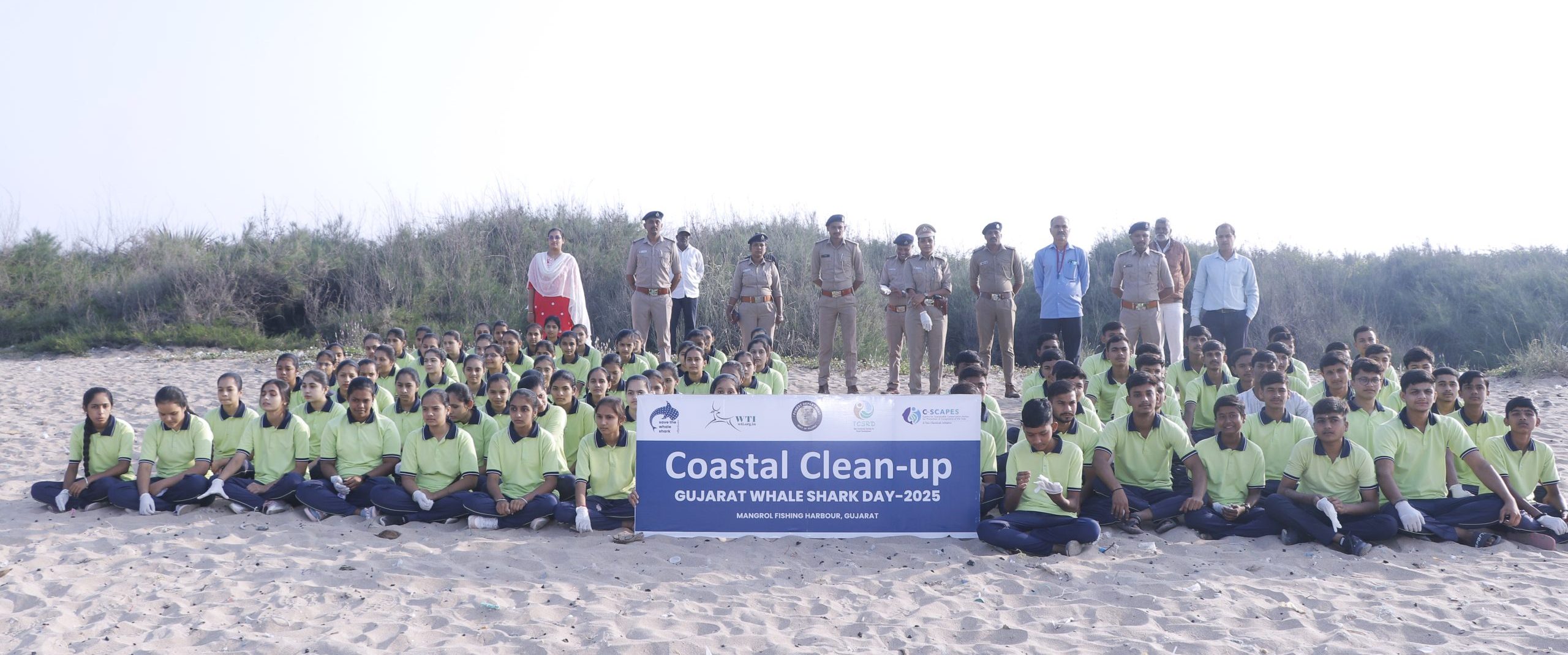
Ocean pollution and marine debris is however an emerging threat in the region. Over the past couple of years, the team has been organising coastal clean-up drives with active participation of coastal communities.
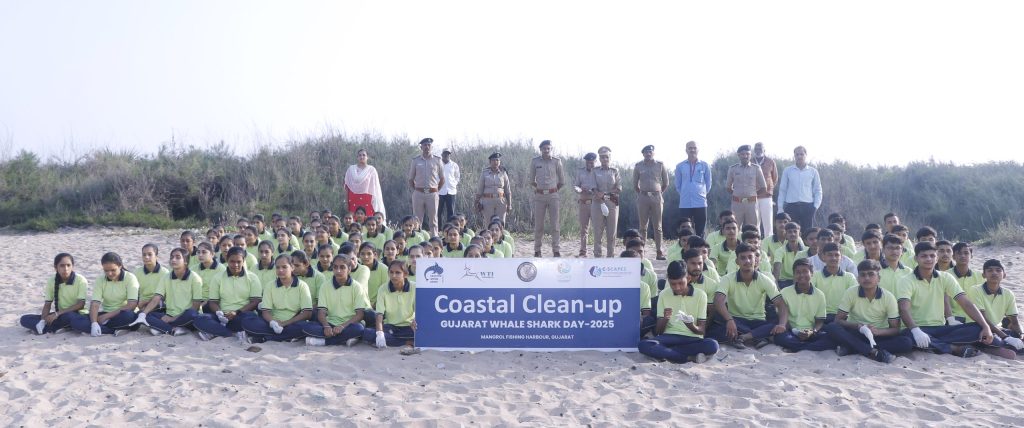
Coastal cleanup drive in Mangrol, Gujarat | Phoograph by WTI
The project aims to integrate ‘offshore’ marine debris collections too in the coming years. To address appropriate disposal and recycling of the debris collected from these efforts, the project is also working towards institutionalising necessary collaborations with relevant stakeholders in Gujarat.
The conservation of whale sharks depends not only on fisheries management but also on effective control of marine pollution. Reducing plastic waste through improved solid waste management, restricting single-use plastics, promoting recycling and conducting regular coastal and ocean clean-up programmes can substantially decrease marine debris entering our oceans.
Protecting whale sharks from marine debris and ocean pollution provides benefits that extend beyond a single species. It is about helping protect our marine biodiversity and ensuring a healthy ecosystem – critical to the survival of humans themselves.
Story by Farukhkha Husenkha, Pan-India Whale Shark Conservation Project, Wildlife Trust of India.