Three orphaned bear cubs at CBRC embark on the next chapter of their journey back to the wild
Pakke Tiger Reserve, Arunachal Pradesh, 25th September 2026: Three male Asiatic black bear cubs under rehabilitation at the Centre for Bear Rehabilitation and Conservation (CBRC) have begun their journey back to the wild on 24th September 2026. Following standard protocol, they will be kept at the pre-release site for a few months to acclimatise before eventually being released into Pakke Tiger Reserve.
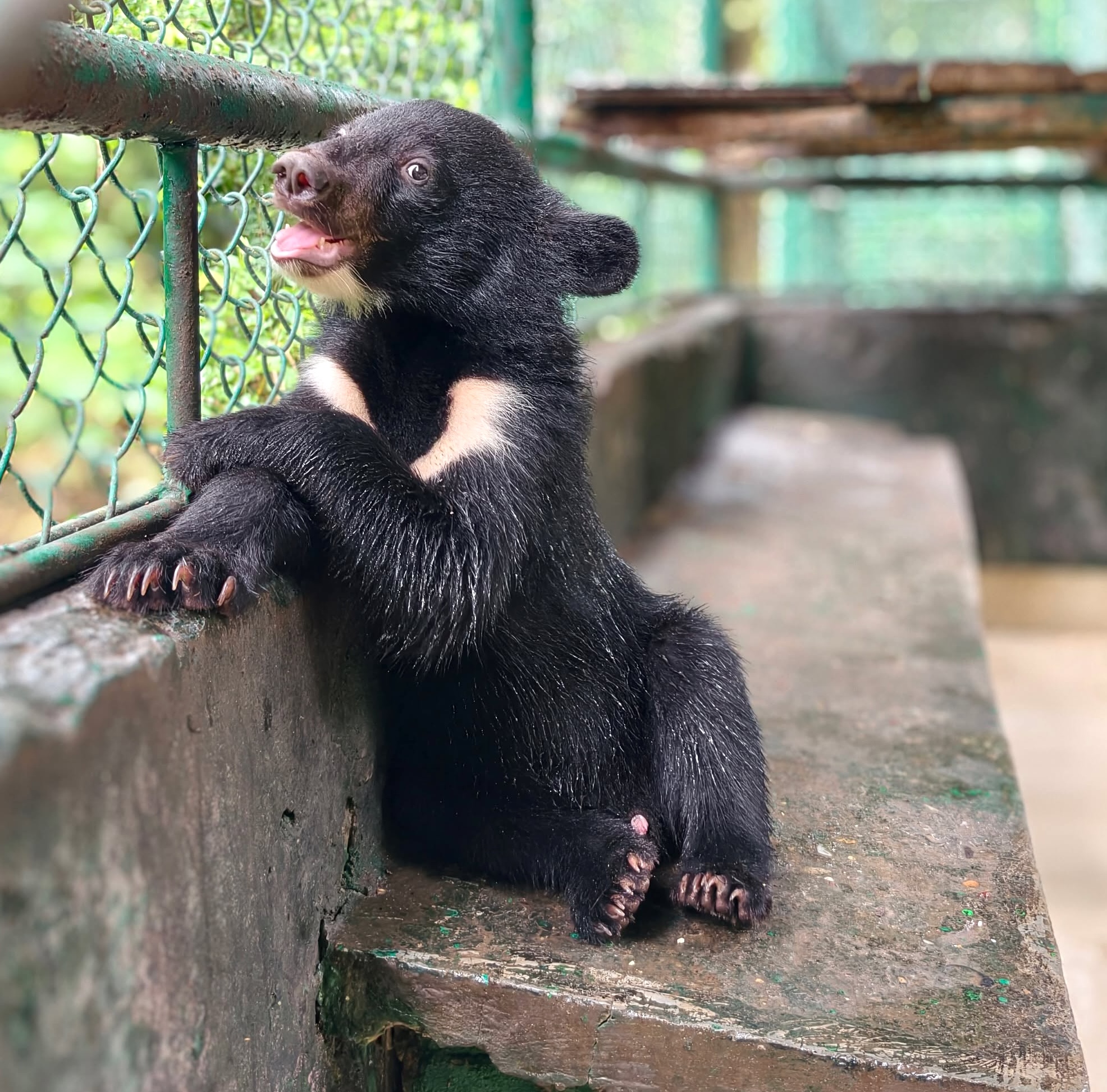
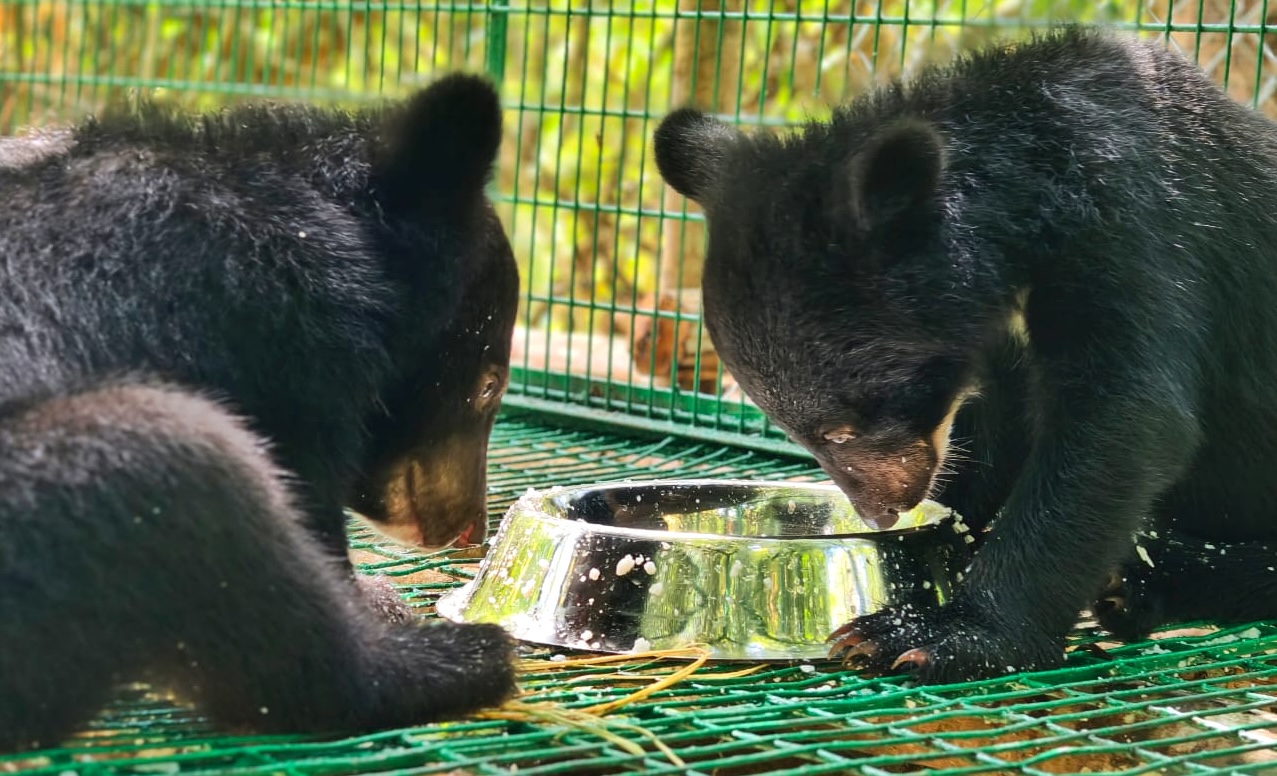
The cubs have been under the dedicated care of the CBRC team | Photo © Subhasish Arandhara/ WTI
The first bear cub was admitted from Doimukh, Itanagar, Arunachal Pradesh, on 27th March after being rescued from a few individuals who were allegedly trying to sell it. The cub was approximately 4-5 weeks old at the time of admission.
The second cub was admitted on 28th March, 2026, after being found alone in an agricultural field. A local resident, Wanghoan Lettey, handed the cub, estimated to be 1 month old at the time, over to the Forest Department.
The third bear cub was rescued from Dugi Village after tracking a social media post of an individual who had kept the bear as a pet. The cub was about 2-3 months old and was admitted on the 11th of June at CBRC.
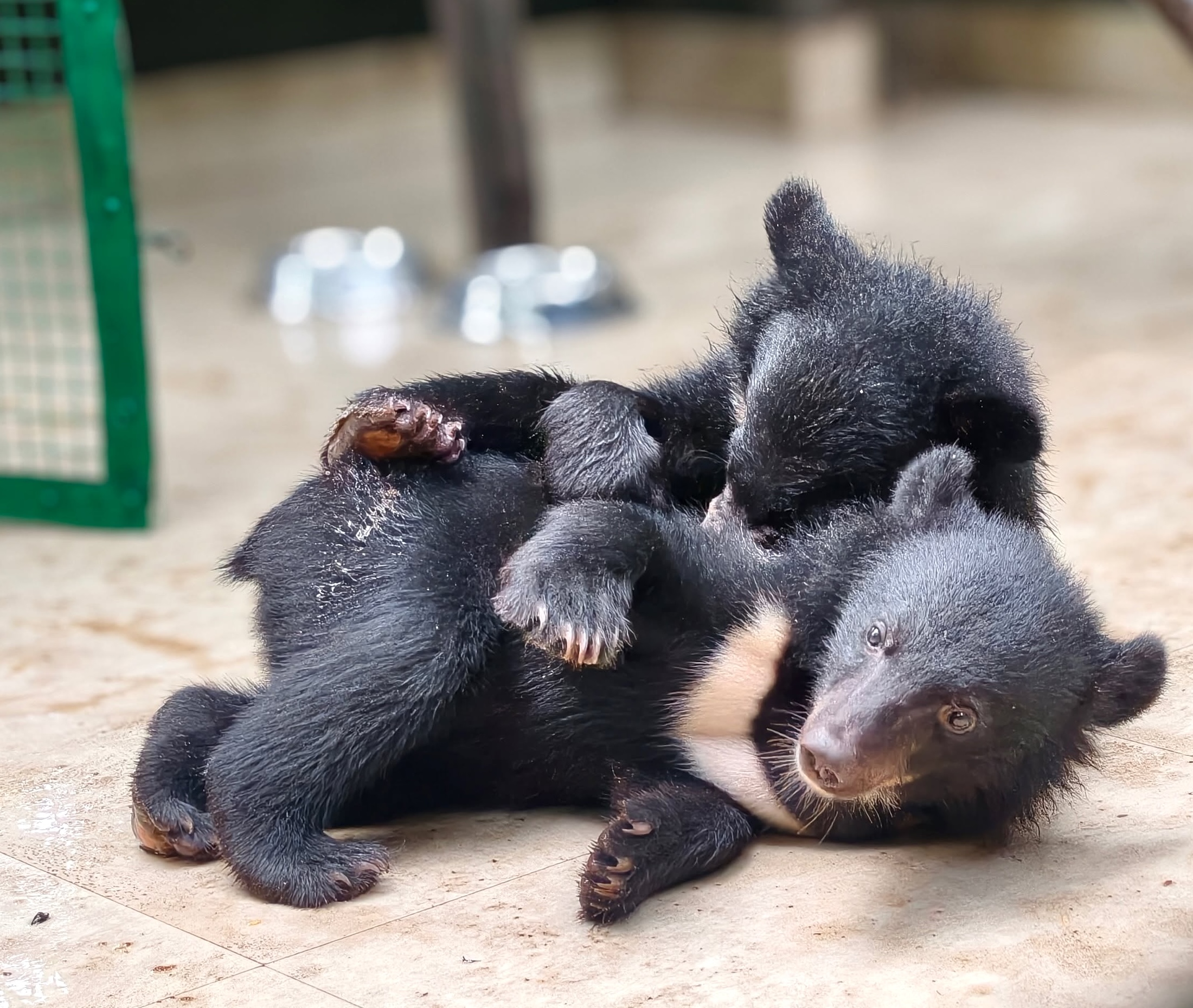
The cubs are reactive and healthy, and ready for the soft-release process | Photo © Subhasish Arandhara/ WTI
A joint team from WTI and the Department of Environment, Forest & Climate Change, Government of Arunachal Pradesh, is accompanying the cubs on the 26 km journey, which will be covered on foot and on elephants’ backs.
Mr. Dhawan Kumar Rawat, IFS, DFO, Pakke Tiger Reserve, said, “From rescue to rehabilitation, these young bears are now taking an important step towards returning to the wild. Our commitment to their well-being reflects our dedication to the broader conservation efforts in the Pakke Tiger Reserve.”
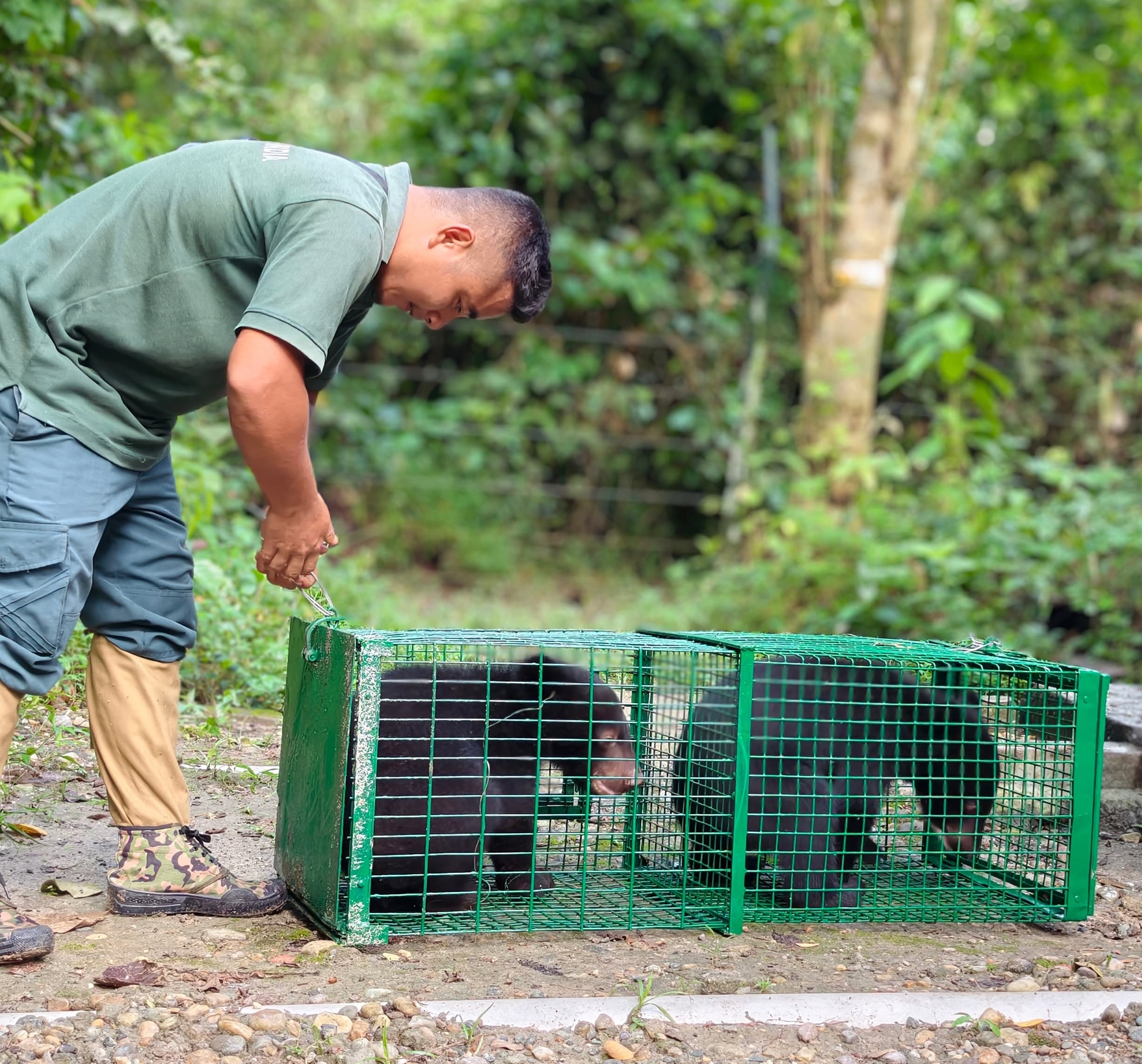
Following standard, the cubs were carefully moved to the pre-release site| Photo © Subhasish Arandhara/ WTI
Dr. Panjit Basumatary, Wildlife Trust of India (WTI), said, “Through the soft-release process, the cubs will gradually explore the forest under the guidance of Dr. Subhasish Arandhara, Ecologist, WTI and experienced animal keepers. Over the next five to six months, we hope they will acclimatise fully and be ready for release into the wild.”
The Asiatic black bear (Ursus thibetanus) is categorised as ‘Vulnerable’ by the IUCN Red List and is protected under Schedule I of the Wildlife (Protection) Act, 1972 in India.
CBRC is operated jointly by the Department of Environment, Forest & Climate Change, Government of Arunachal Pradesh, and the Wildlife Trust of India (WTI), with support from the International Fund for Animal Welfare (IFAW). Since its inception in 2002, nearly 50 bears have been successfully rehabilitated back into the wild.