From Fear to Coexistence: Community awareness helps reduce Striped Hyena conflict in Paschim Bardhaman
In human-dominated landscapes, wildlife conflict does not always begin with an actual attack. Fear, misinformation, and uncertainty can themselves create conflict situations. Two incidents at Kalipur–Madhaiganj and Jamuria in Paschim Bardhaman, West Bengal, demonstrated how timely community engagement can prevent such situations from escalating.
As part of a Rapid Action Project (RAP) for striped hyena conservation, WINGS (Durgapur Wildlife Information and Nature Guide Society), with support from the Wildlife Trust of India (WTI) and Fondation Segré, undertook targeted awareness and sensitisation in areas where the presence of striped hyenas (Hyaena hyaena) had generated concern. The programs were conducted in collaboration with the concerned territorial ranges of the West Bengal Forest Department.
When a Rumour Created Fear at Kalipur
In February 2026, residents of Kalipur village in the Madhaiganj landscape became increasingly concerned about striped hyenas after a local resident was reportedly attacked by a rabid dog. However, a rumour quickly spread that the injury was caused by a striped hyena. This misinformation had the potential to create hostility towards any hyena subsequently encountered in the area.
Recognising the need for immediate intervention, WINGS organised an awareness program at Kalipur on 19 February 2026. Residents and students were informed about the actual circumstances of the incident and sensitised about striped hyena behaviour, their ecological importance as scavengers, and appropriate responses during encounters.
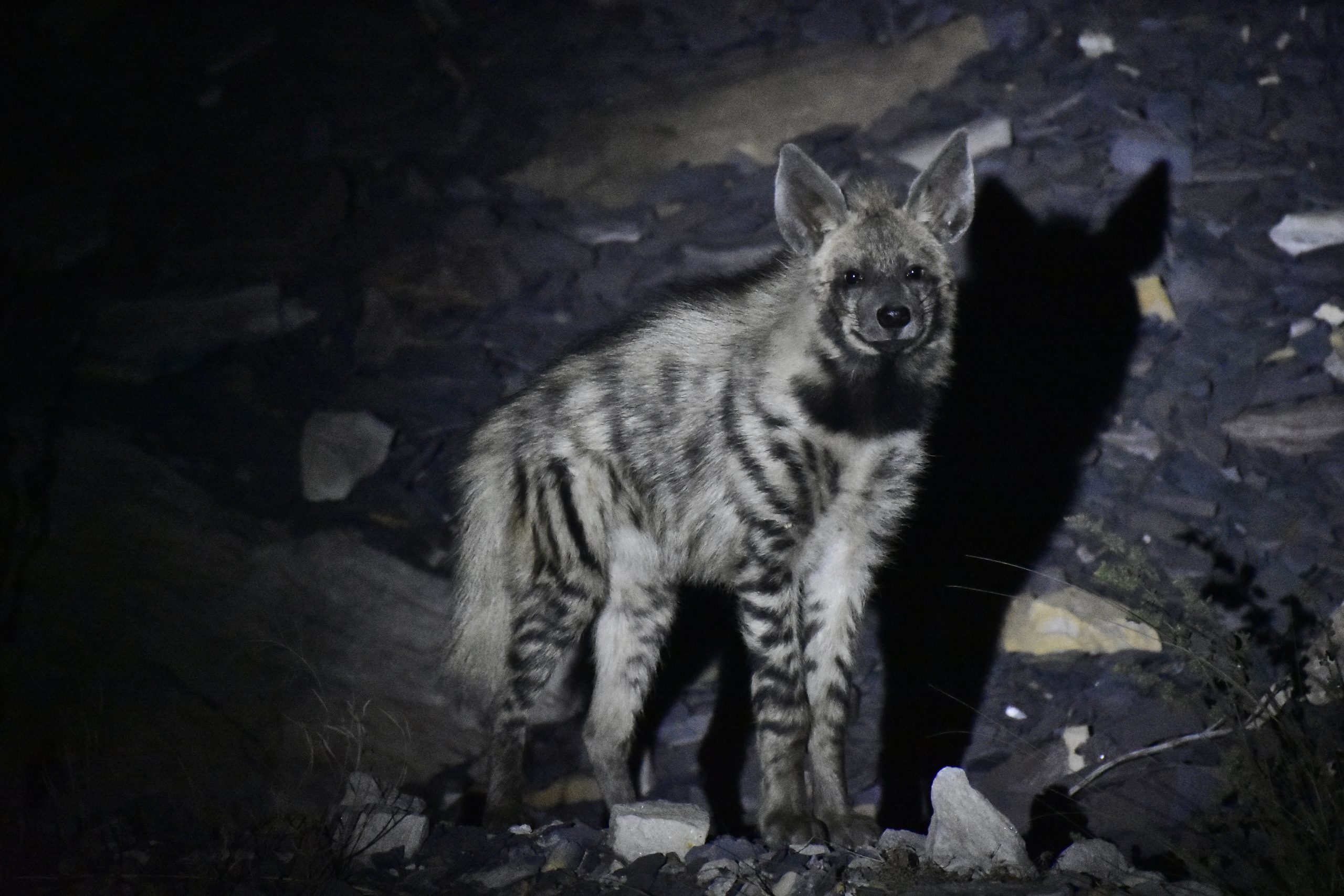
Hyenas are often vilified in folklore and culture | Photo by Arindam Roy.
Residents were advised not to chase, surround, or harm a hyena, but to maintain a safe distance and report such sightings to the Forest Department. Clarifying the misinformation helped reduce apprehension and prevented an unverified incident from developing into hostility towards the species.
Hyenas on the Streets of Jamuria
A different situation emerged in Jamuria, where CCTV cameras captured striped hyenas moving through streets and other frequently accessed areas. The footage attracted considerable panic among residents.
Such occurrences reflect the unusual conservation landscape of Paschim Bardhaman, where striped hyenas persist within a mosaic of coal mines, overburdened dumps, scrub habitats, roads, industries, and densely populated settlements. As the animals navigate between fragmented habitat patches, they may occasionally come close to human habitations, particularly at night.
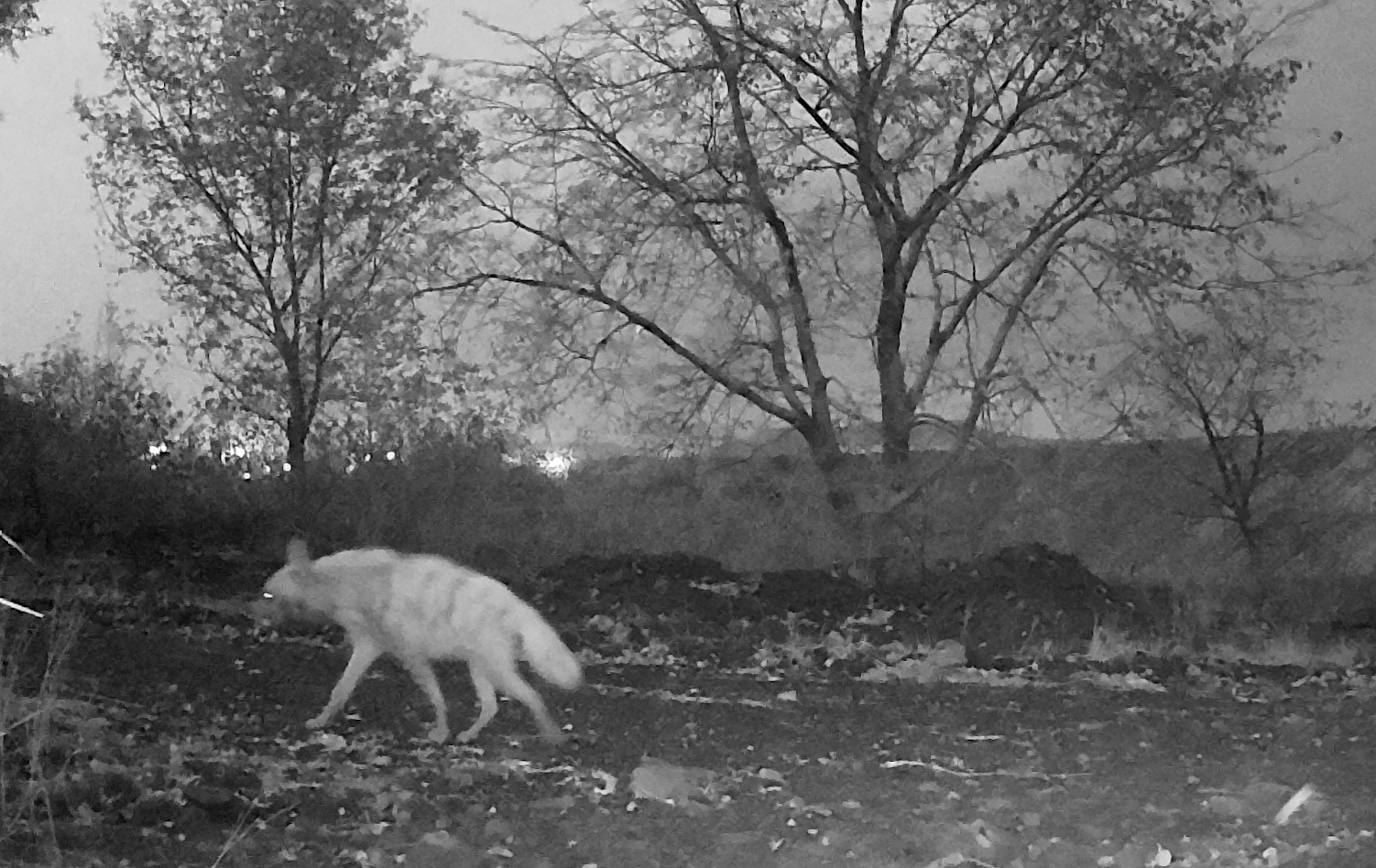
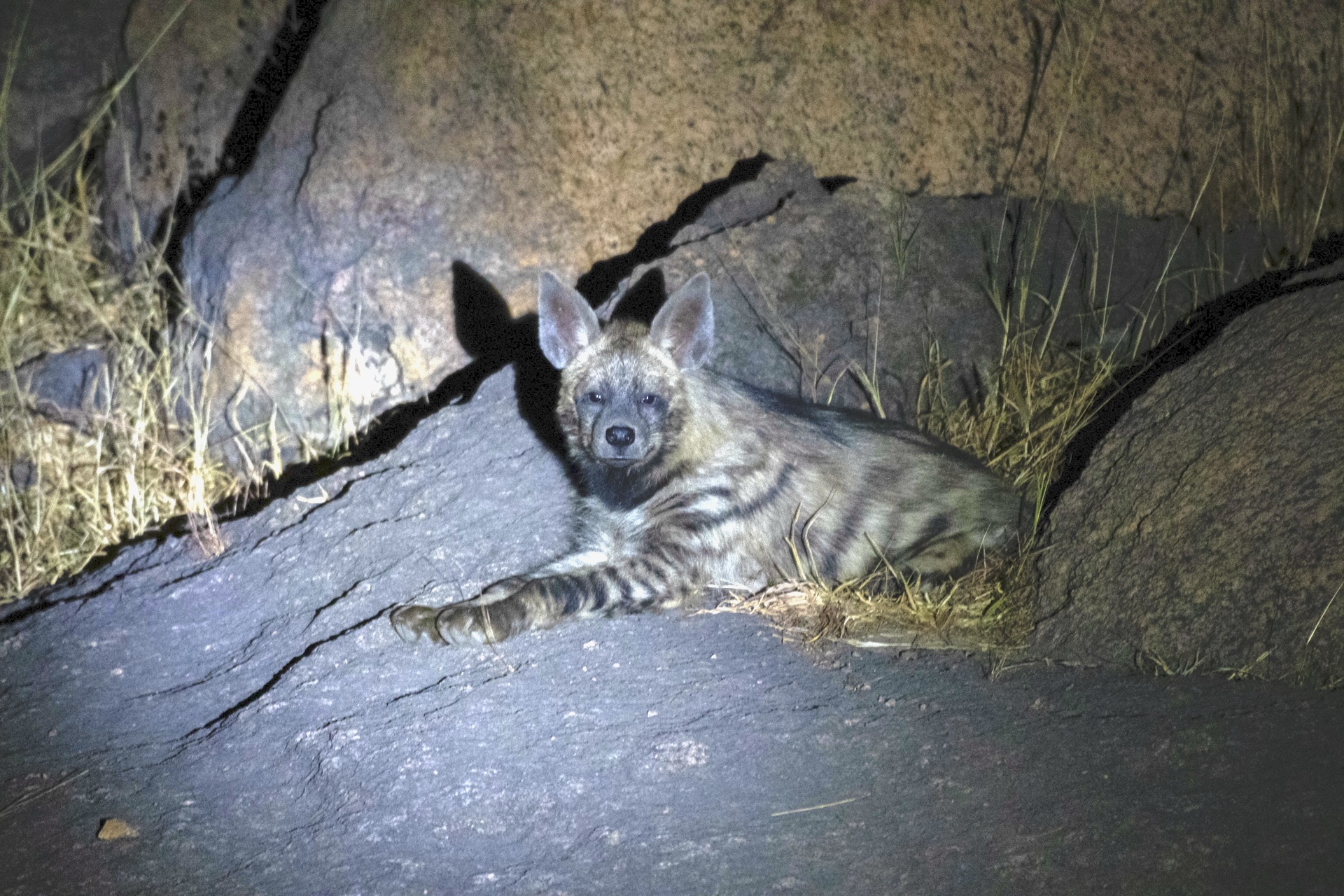
A striped hyena captured on camera trap
In response, WINGS organised an Indian Striped Hyena awareness program at Poniati, Jamuria, on 14 April 2026, attended by more than 50 participants. Conducted in collaboration with the Asansol (Territorial) Forest Range, West Bengal Forest Department, WTI, and Fondation Segré, the program focused on replacing fear with practical information.
Awareness as a Tool for Conflict Prevention
The experiences at Kalipur and Jamuria provided an important lesson for the RAP. In neither case was the immediate problem a confirmed hyena attack or livestock depredation; rather, the primary challenge was the perception of risk.
At Kalipur, misinformation following a dog attack created unnecessary fear. At Jamuria, CCTV footage generated concern because residents were unsure how to respond to hyenas moving through human settlements. In both situations, rapid, location-specific sensitisation helped reduce apprehension and the likelihood of retaliatory responses.
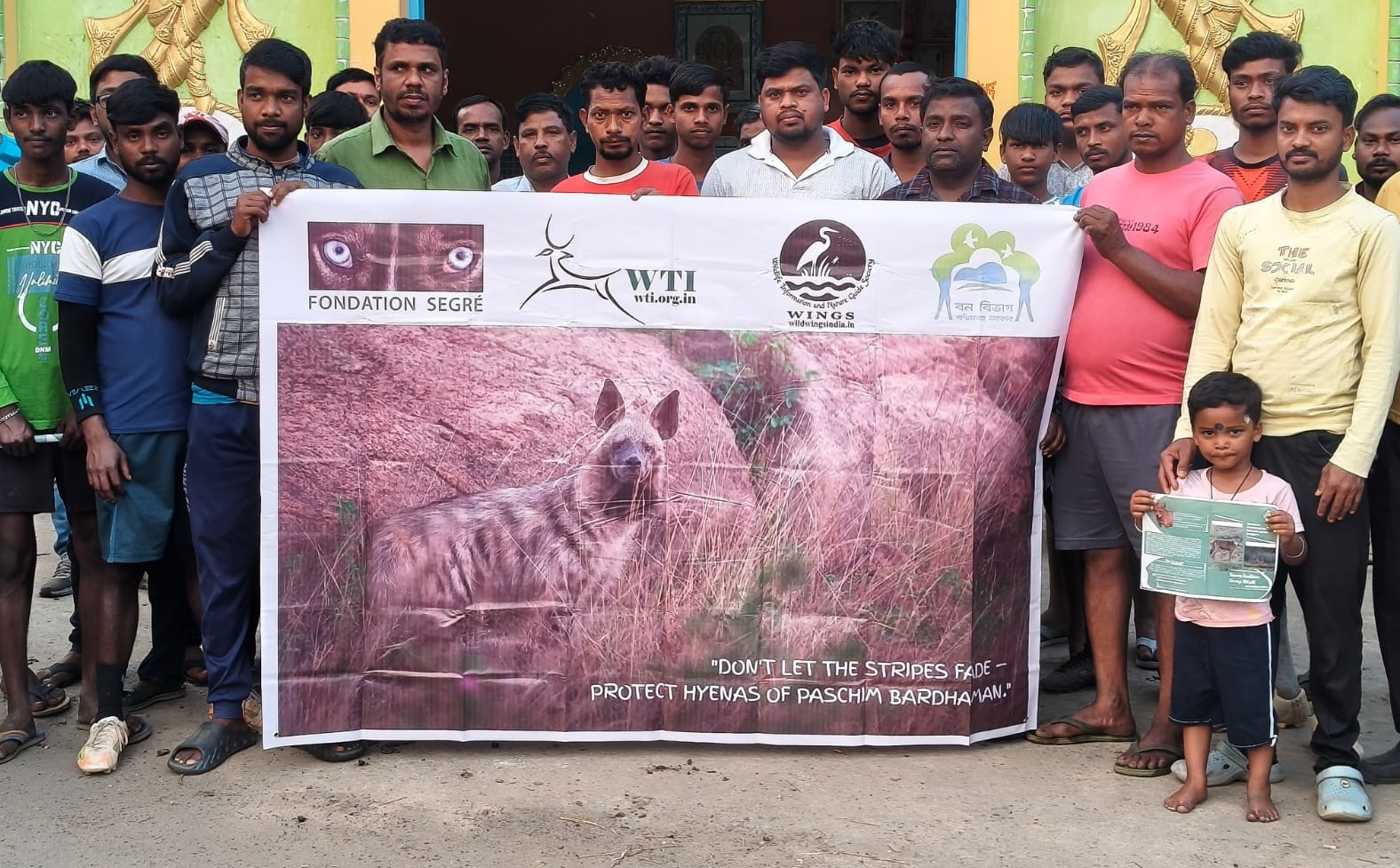
Sensitising local communities about hyenas plays a key role in promoting their conservation and fostering peaceful coexistence | Photo by WINGS
These interventions formed part of a broader community-engagement initiative across the striped hyena landscape of Paschim Bardhaman. During the project, 15 awareness programs reached more than 1,000 participants, with the objective of improving understanding of the species and building local support for peaceful coexistence.
For striped hyenas surviving amid the mines, roads, and settlements of Paschim Bardhaman, conservation depends not only on protecting habitats and movement corridors but also on how communities respond when animals approach their homes. Kalipur and Jamuria demonstrate that timely information, trusted local engagement, and practical guidance can transform fear into understanding—and potential conflict into an opportunity for coexistence.