Photo Story – When a Fallen Star Found Its Keepers
“Finders keepers” they say, but in some cases, things are quite the opposite. There are some who find things, only to put them back where they truly belong. Such are the animal keepers at the Wildlife Trust of India’s Centre for Wildlife Rescue and Rehabilitation (CWRC). This incredible group of humans have been working tirelessly to ensure that the animals they rescue have a second chance at life, back in the wild. Over the past 25 years, they have found orphaned elephant calves, stranded rhino cubs, hornbill chicks that fell from the nest, macaque babies whose mothers died due to electrocution, orphaned bear cubs whose mothers were probably poached, leopards that have been injured or trapped, vultures that suffered from poisoning, and so much more.
This is the story of one of their finds – Manikuntal – an orphaned elephant calf.
I often believe that a herd of elephants are like the stars of the forest. Most of the time, you won’t be able to see them, but they will be slowly wandering around in large numbers, just as the stars in the sky, under the clouds. Manikuntal is one such star who got separated from his herd.
In September 2025, the CWRC team rescued a male elephant calf trapped in a muddy trench. He was between six and eight months old. Several attempts were made to reunite him with a herd nearby, but unfortunately, it was unsuccessful. Since the calf was weak and dehydrated, it was admitted to the centre.
Whenever a new animal is admitted, it becomes the responsibility of the animal keepers to take care of it. In other words, these keepers become their foster parents. It was one of the keepers who named the newly rescued calf Manikuntal.
I got the opportunity to visit the rescue centre during the month of November 2025, and there I saw the young Manikuntal for the first time. Tarun Gogoi, a veteran and one of the oldest animal keepers at the facility, treats the young calf as his own. “I know Manikuntal needs a lot of care at this point, and I am so happy that I got the opportunity to provide him with the warmth and care he needs. Socialisation plays a significant role in the rehabilitation process of elephants, so we ensure he has the chance to interact with the other calves in our care. Our main goal is to ensure that he grows strong and big enough to return to the wild,” explains Tarun.
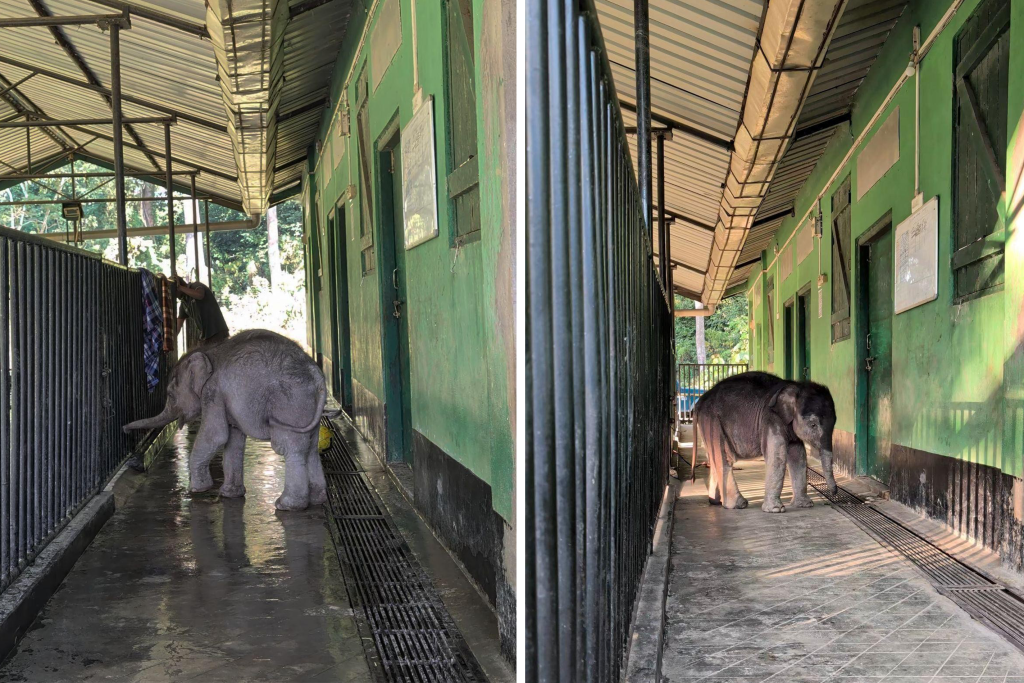
Hey, this is my new home
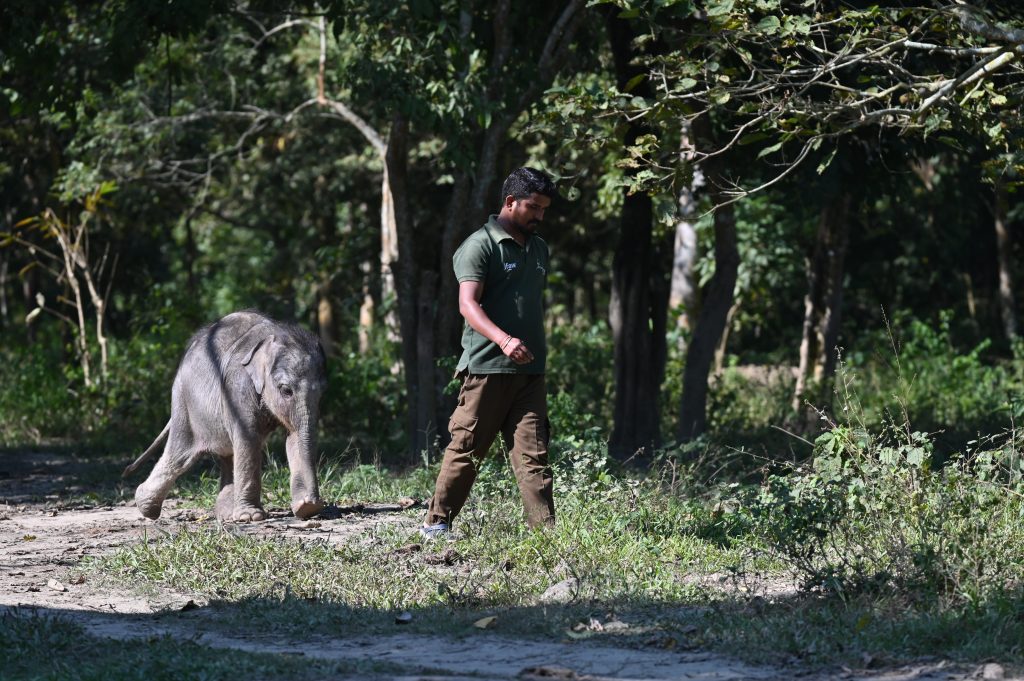
Newly rescued elephant calves are cared for in a separate nursery for the first six months of rehabilitation, and each calf receives dedicated attention from a single keeper who looks after its feeding, health and daily care. This one-on-one care helps the calf adjust to its new environment, recover from the stress of rescue and build trust with its caregiver.
Hey, this is my new home
Newly rescued elephant calves are cared for in a separate nursery for the first six months of rehabilitation, and each calf receives dedicated attention from a single keeper who looks after its feeding, health and daily care. This one-on-one care helps the calf adjust to its new environment, recover from the stress of rescue and build trust with its caregiver.
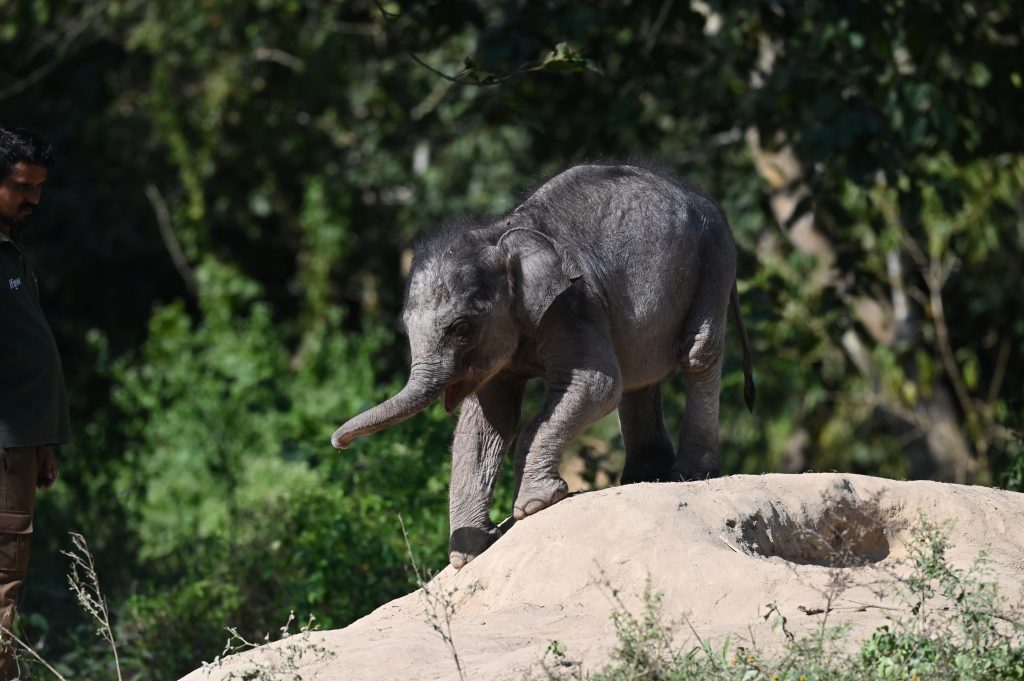
Playfully learning the ups and downs. Morning walks also encourage the calf’s natural curiosity, allowing it to safely explore the forest environment, experience new sights and smells and develop behaviours that are essential for its growth and well-being.
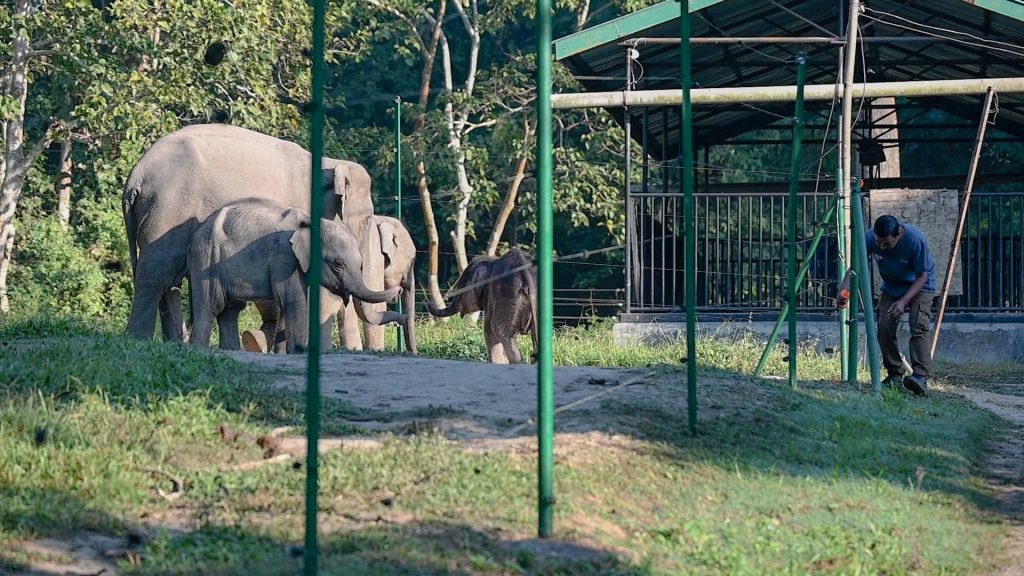
Hello buddies, nice to meet you.
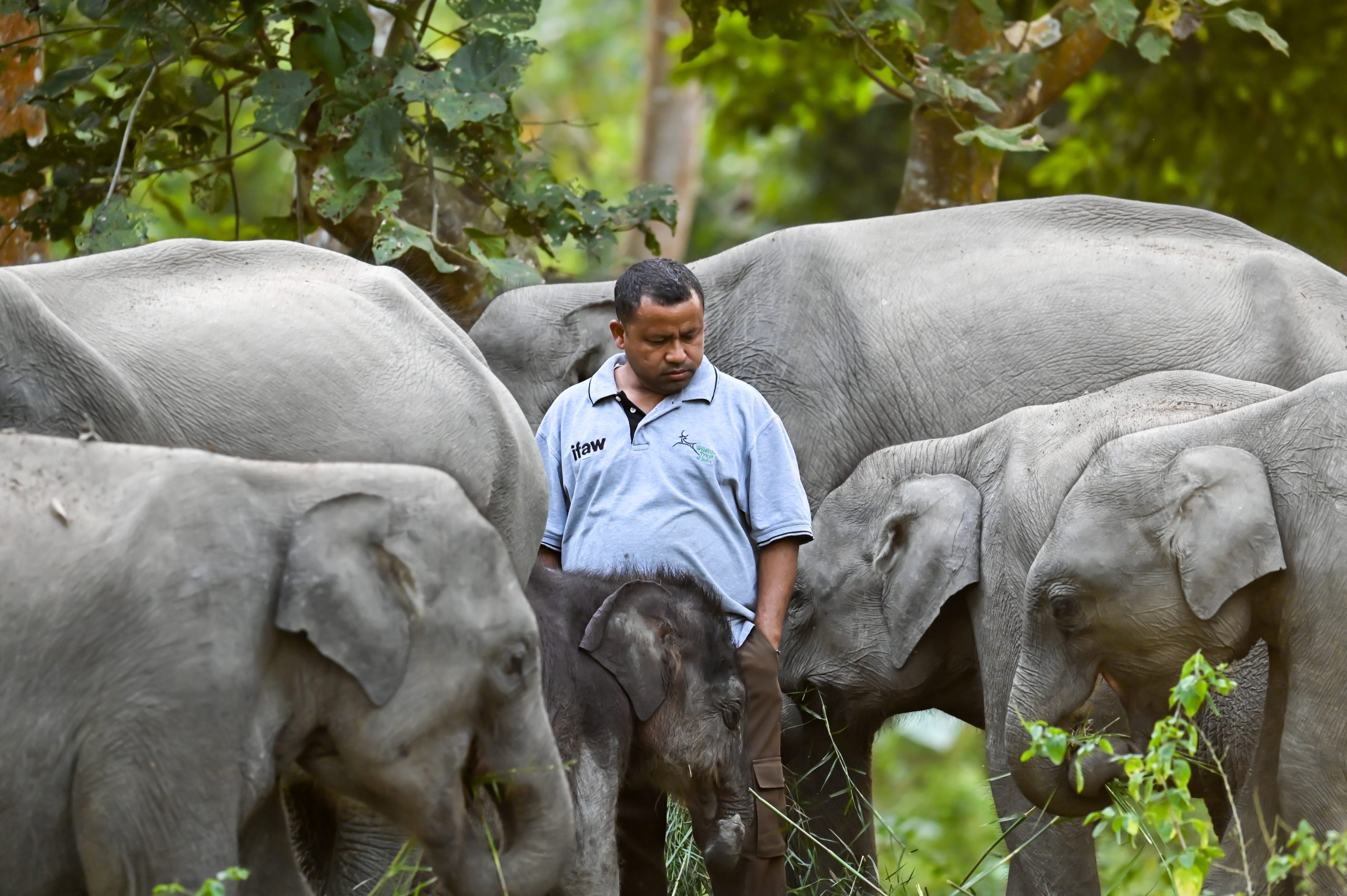
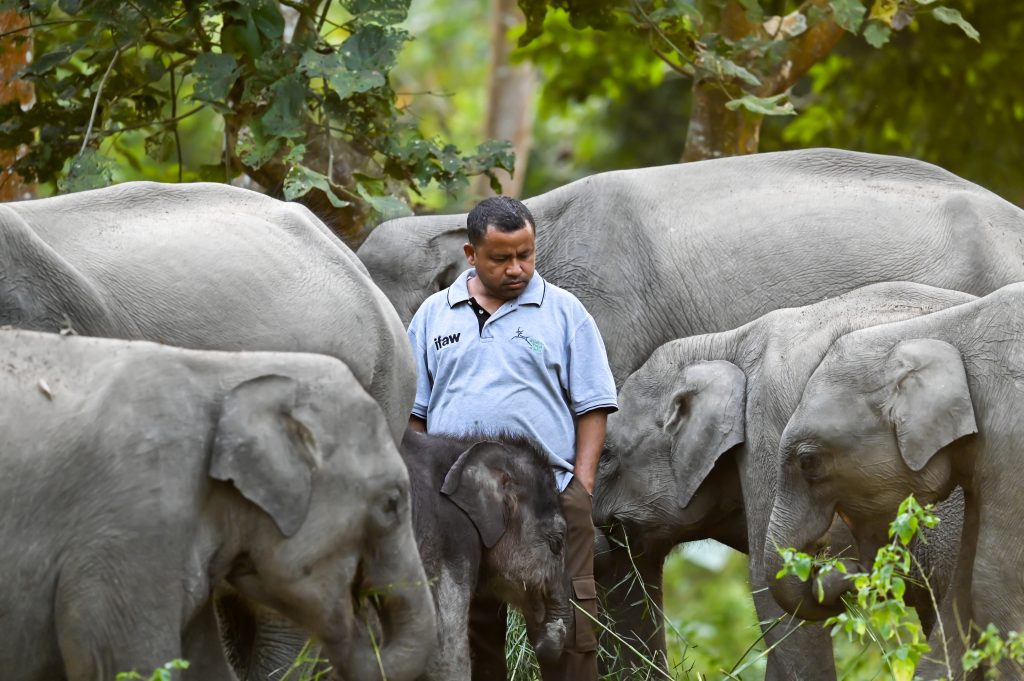
Keepers at CWRC introduce Manikuntal to mingle with the herd, which helps develop socialising skills. Once a rescued elephant calf reaches around six months of age, it is gradually introduced to the other calves at the nursery. This marks an important milestone in their rehabilitation. Spending time with other elephants helps the calf develop natural social behaviours, build confidence and learn through observation and interaction.
They are growing healthy
Tarun Gogoi and Manikuntal with the herd of rescued elephants in CWRC. Older calves play an important role in this process, helping the younger ones pick up essential skills such as exploring their environment and foraging for food – behaviours that are vital for life in the wild. While socialising, the animal learns a lot of things, like how to use its trunk and eat like other elephants.
Preparing the specially developed milk formula
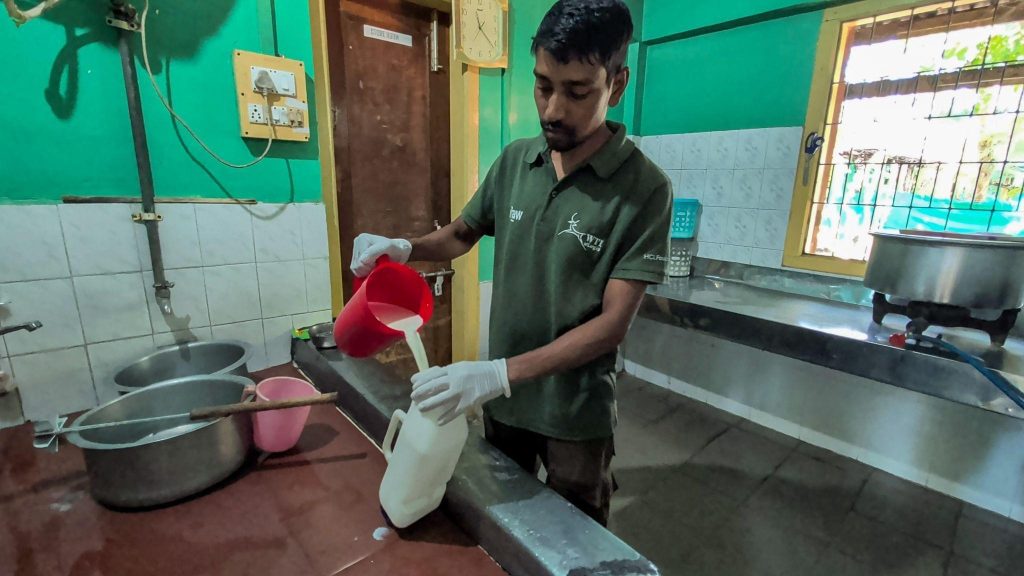
Milk preparation is a regular and serious task. Caring for a rescued elephant calf begins with a carefully planned diet to support healthy growth and recovery. For the first 5-6 months, the calf is fed a low-lactose milk formula (Nan-Lo-Lac), supplemented with a nutritious blend of powdered Bengal gram and maize to provide additional protein and energy.
Can’t you bring it a little early? I’m hungry!
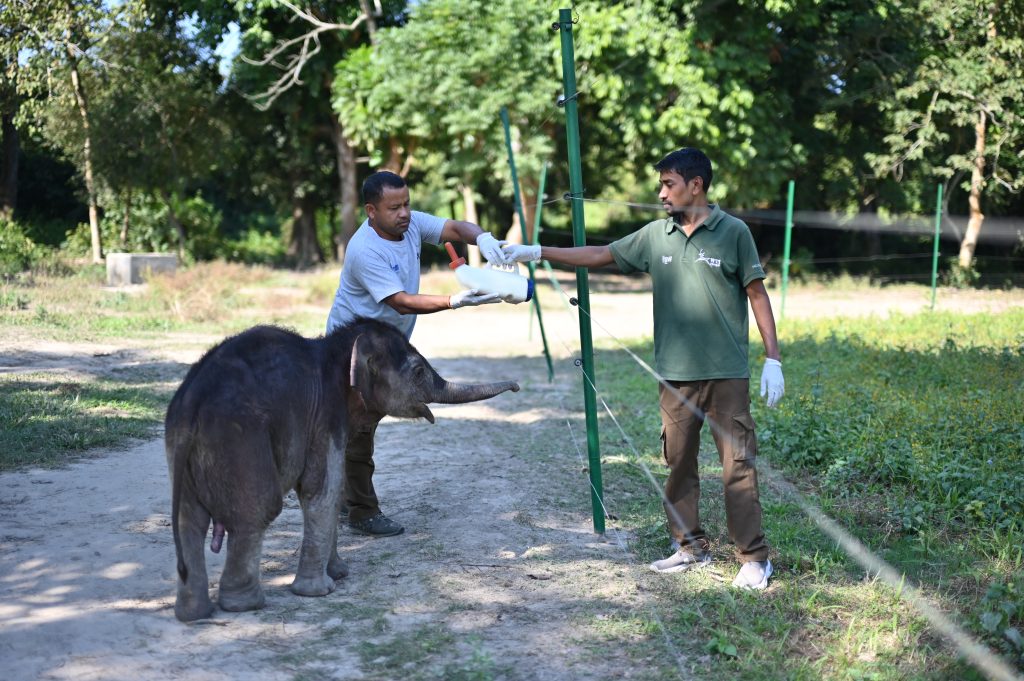
A young calf requires 16-20 litres of milk every day, divided into 8-9 feeds, with approximately 2 litres per feed. This frequent feeding schedule closely mimics the natural nursing pattern and ensures the calf receives the nutrition it needs around the clock.
Can I go for a repeat order?
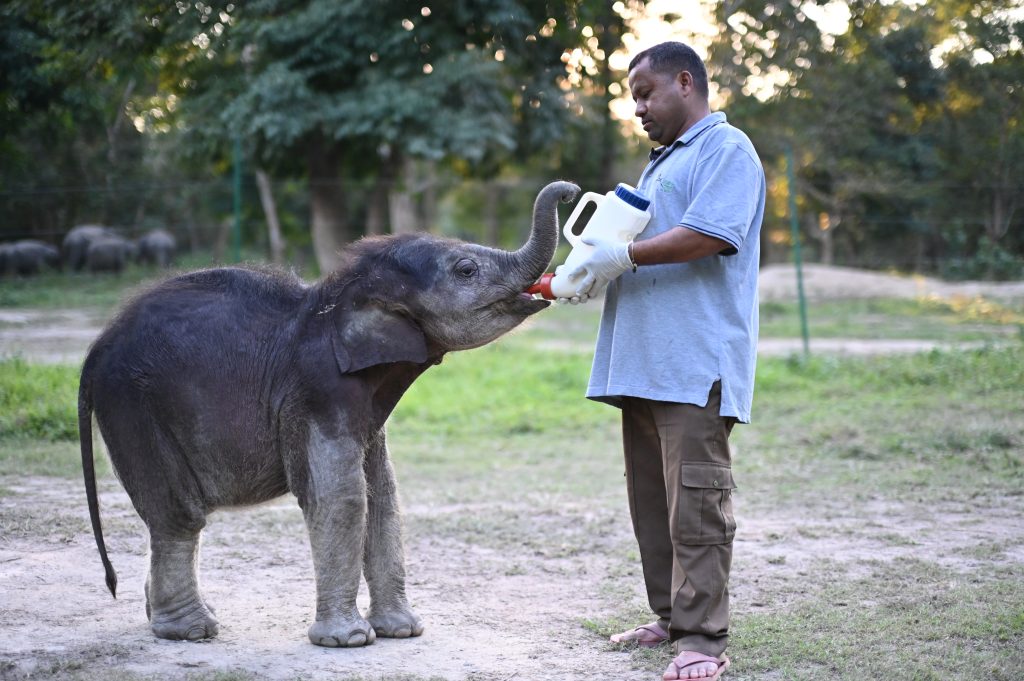
As the calf grows, the diet is gradually transitioned by introducing a small amount of a higher-lactose milk formula (Nestogen-2) over the next 8-9 months. By the time the calf reaches around two years of age, it gradually begins foraging on greens, marking an important step towards a more natural diet and greater independence.
It’s been almost nine months now, and Manikuntal is growing stronger every day. His transformation has also reflected in his weight gain. During admission, he weighed around 97kg and is currently at 228kg. He takes eight feeds per day (2.5 litres in each feed). Manikuntal also eats commercial feed pellets twice a day with seven older calves. He goes to the forest at 9 am and returns at 12 pm.
The progression rate is something that brings a smile to the faces of people like Tarun. He knows that in a few years, Manikuntal will be fit enough to go back to the wild, where he will shine much brighter amongst the other stars.
Till now, 25 such elephant calves have been hand-raised and successfully sent back to the wild by the team at CWRC. Run jointly with the Assam Forest Department and in partnership with the International Fund for Animal Welfare (IFAW), the facility has handled over 10,000 wild animals and sent more than 67% of the admissions back to the wild.
Story & Photographs by Sreenanth K, WTI Communications