WTI Marks National Wildlife Week 2026 with Conservation Initiatives Across India
9th October, 2026: The Wildlife Trust of India (WTI), in collaboration with state forest departments, educational institutions and local communities, marked the National Wildlife Week, 2026 through a series of initiatives aimed at strengthening wildlife protection and promoting human-wildlife coexistence.
The National Wildlife Week 2026 was observed across India from October 2 to 8, marking the 72nd edition of the annual celebration dedicated to wildlife conservation and biodiversity protection. Centred on the theme “Connecting Habitats, Thriving Wildlife,” our events highlighted the importance of ecological connectivity, wildlife corridors and community participation in safeguarding natural habitats.
Nature Camp Highlights Pangolin Conservation in Manipur
A nature camp was organised by ENFOGAL in partnership with the Wildlife Trust of India’s Countering Pangolin Trafficking Project in Ukhrul, Manipur, as part of efforts to promote wildlife conservation. The camp aimed to contribute to pangolin conservation efforts by strengthening awareness and engagement around the protection of the species. The event was conducted under WTI’s Countering Pangolin Trafficking Project, supported by the Pangolin Crisis Fund.
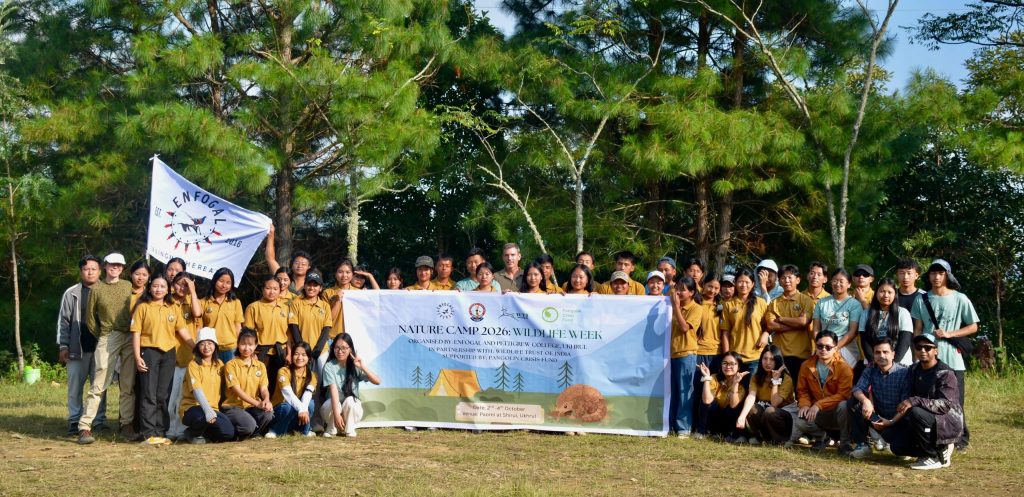
Participants of the Nature Camp in Ukhrul, Manipur, as part of National Wildlife Week 2026 celebrations
Whale Shark Conservation Through Community Training and Student Outreach
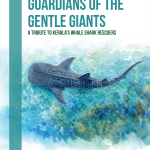
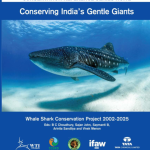
WTI’s Pan-India Whale Shark Conservation Project conducted awareness and outreach activities across Goa, Kerala and Gujarat, engaging fishers, students, coastal communities and the general public. The three coastal states along the west coast of India, saw the participation of over 11,000 individuals from diverse target groups.
Activities included fisher training, school awareness programmes, wildlife quizzes, traditional puppetry, community recognition events and public outreach campaigns. These initiatives strengthened community participation, promoted safe whale shark rescue and release, and highlighted the importance of protecting marine biodiversity through education and collaboration.
At Goa’s Baga Fish Landing Site, 64 fishers participated in a whale shark sensitization program and training on the Whale Shark Watcher App. A similar outreach at Vasco Jetty, in association with the Fisheries Department, Vasco, Reef Watch and Coastal Impact, engaged 90 fishers, officials, workers and community members. WTI also collaborated with the Department of Zoology, Carmel College of Arts, Science and Commerce for Women, Nuvem, to organise an intercollegiate Wildlife Quiz Competition, engaging more than 310 students. An awareness poster, highlighting protected elasmobranch species, including sharks, skates and rays was released during the Goa Forest Department’s valedictory function in collaboration with WTI’s Whale Shark Conservation Project. The posters were unveiled by Smt. Deviya Rane, Hon’ble Minister for Poriem and Chairperson of the Goa Forest Development Corporation, and Shri Digambar Kamat, Hon’ble Minister for Public Works Department and Captain of Ports, Goa.
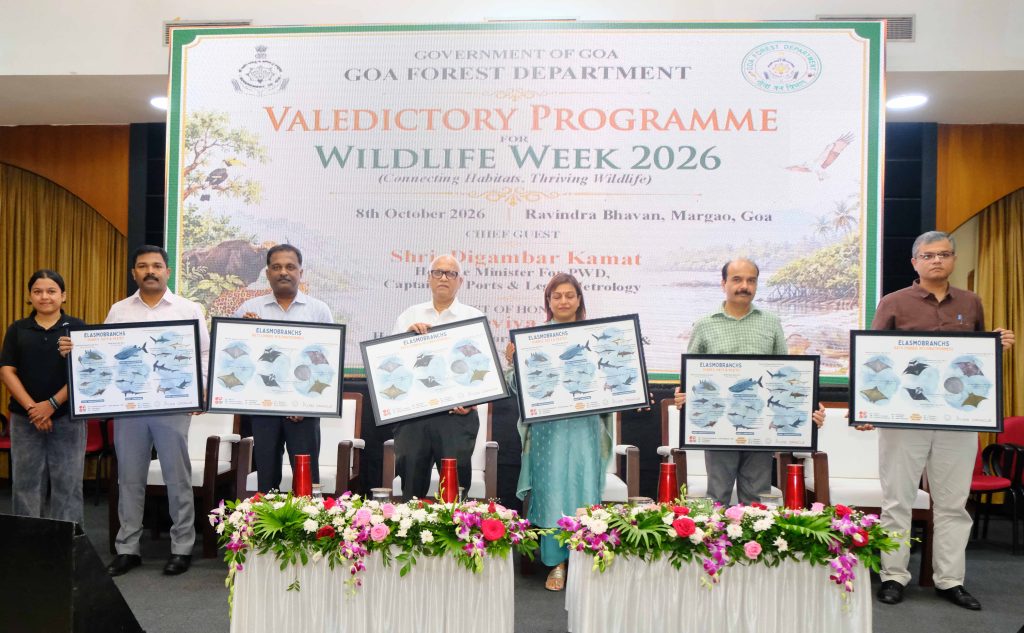
Poster on marine wildlife released during velidictory function organised by Goa Forest Department
In Kerala, sensitisation and training workshops were conducted for fishermen in Paravoor, Thrissur, Kozhikode and Thiruvananthapuram. A traditional Tholpavakoothu (shadow puppetry) performance by renowned Tholpavakoothu artist Shri Rajeev Pulavar (Padma Shri awardee), was organised jointly by the Wildlife Trust of India (WTI), the SEED Club, and the Eco Club of SN Boys High School, Kanimangalam, Thrissur.
In Gujarat, Wildlife Week celebrations were conducted at four locations including Mithapur, Sutrapada, Dhamlej, and Sakkarbaug Zoological Park in Junagadh, combining public awareness, community appreciation, participatory learning, and live demonstrations & interactions with citizens. This included a community programme at Sutrapada fishing village to recognise fishers who have contributed to the rescue and safe release of whale shark pups found entangled in their fishing nets.
Wildlife Week Celebrations in Kashmir
The Wildlife Trust of India’s Mountain Ungulate Project team participated in the National Wildlife Week 2026 celebrations organised by the Department of Wildlife Protection (DWP), Jammu and Kashmir, at Sher-e-Kashmir University of Agricultural Sciences and Technology of Kashmir (SKUAST-K).
The Chief Wildlife Warden and Principal Chief Conservator of Forests, DWP, J&K; the Regional Wildlife Warden, Headquarters, J&K; the Vice-Chancellor of SKUAST-K; and the Administrative Member of the Central Administrative Tribunal (CAT) visited the WTI stall.
During the inaugural session, the Department of Wildlife Protection, J&K, also released a four-year impact report on the recovery of the markhor in the region, highlighting ongoing efforts towards the conservation of the species.
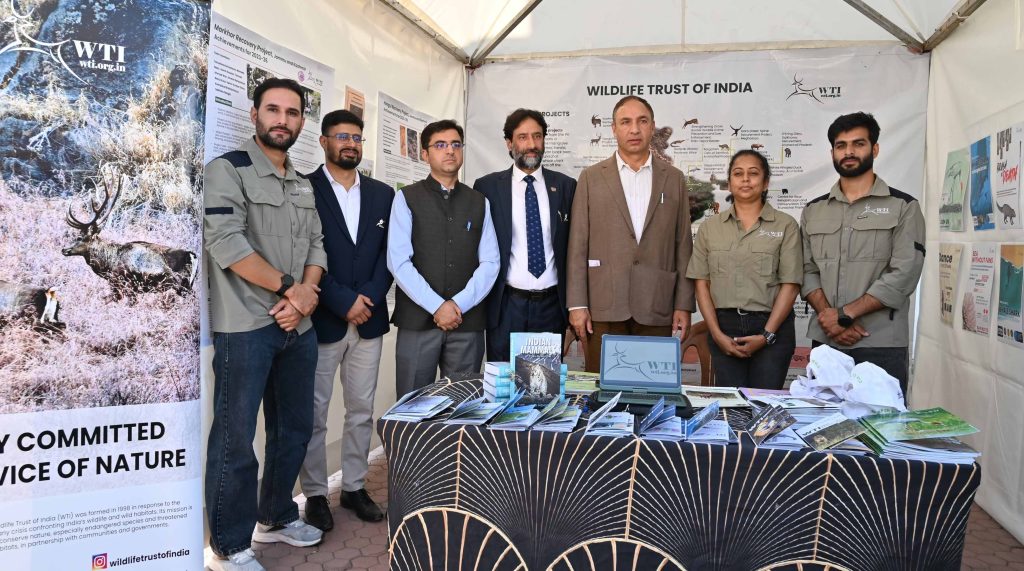
Chief Wildlife Warden/PCCF, DWP, J&K, Regional Wildlife Warden, HQ, J&K, VC SKUAST – Kashmir and Administrative Member, CAT at the Wildlife Trust of India stall
Students Join Beach Clean-Up Drive at Mithapur
WTI’s Mithapur Coral Reef Recovery Project, Gujarat, in collaboration with Tata Chemicals DAV Public School and the Scouts and Guides, organised a beach clean-up drive at Mithapur Beach as part of National Wildlife Week 2026.
Students from Classes VI to X, along with faculty members, actively participated in the initiative. Members of the Scouts and Guides collected ghost nets and discarded fishing nets from the beach, helping address marine pollution and the threats posed by abandoned fishing gear to marine wildlife.
Promoting Human-Wildlife Coexistence in the Sundarbans
An awareness programme themed Embracing Coexistence was organised at Ambikanagar Haripriya School in Maipith, Kultali, West Bengal by WTI’s Sundarban Human – Tiger Conflict Mitigation and Coexistence project.
The programme featured documentary screenings, poetry recitations by Tiger Scouts and a plantation drive. Torchlights were also distributed to 20 households in villages covered under WTI’s project, supporting community-level efforts to promote safer coexistence between people and wildlife.
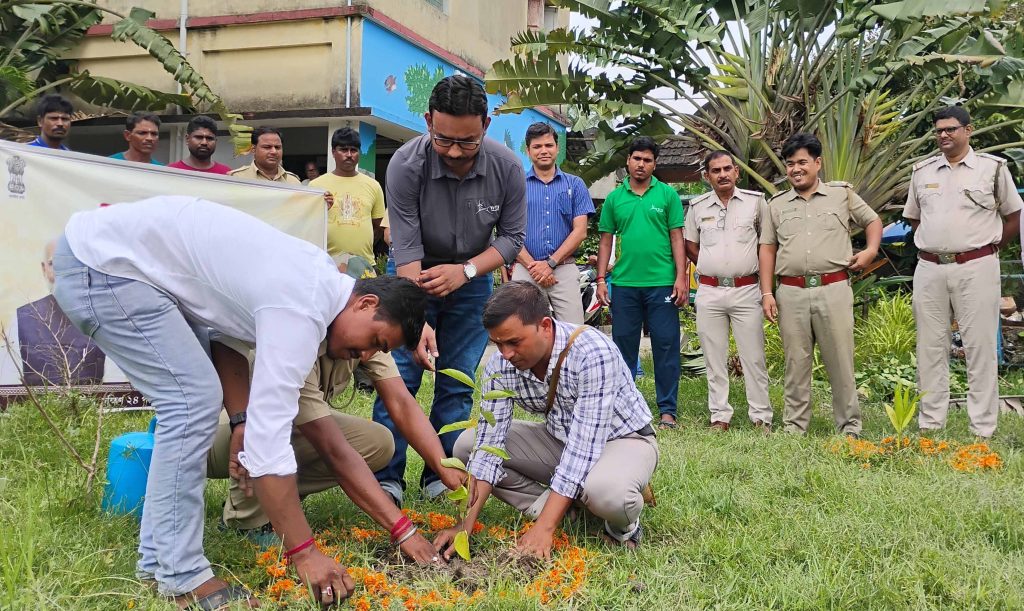
Plantation programme at Ambikanagar Haripriya School, Maipith, Kultali, in Sundarbans
Engaging Students in Conservation in Uttarakhand
In collaboration with Corbett Gram Vikas Samiti, its GCC partner, WTI’s Right of Passage division organised a drawing competition and a wildlife conservation awareness programme at Chhoti Haldwani Primary School in Uttarakhand. A clean-up drive was also conducted as part of the celebrations.
The programme was chaired by Shri Banshidhar Bhagat, MLA of Kaladhungi, as the Chief Guest, while Smt. Rekha Katyura, Municipal Chairperson, attended as the Guest of Honour. The activities encouraged students to engage with wildlife conservation and environmental protection.
WTI Promotes Community Participation and Strengthens Wildlife Protection in Maharashtra and Chhattisgarh
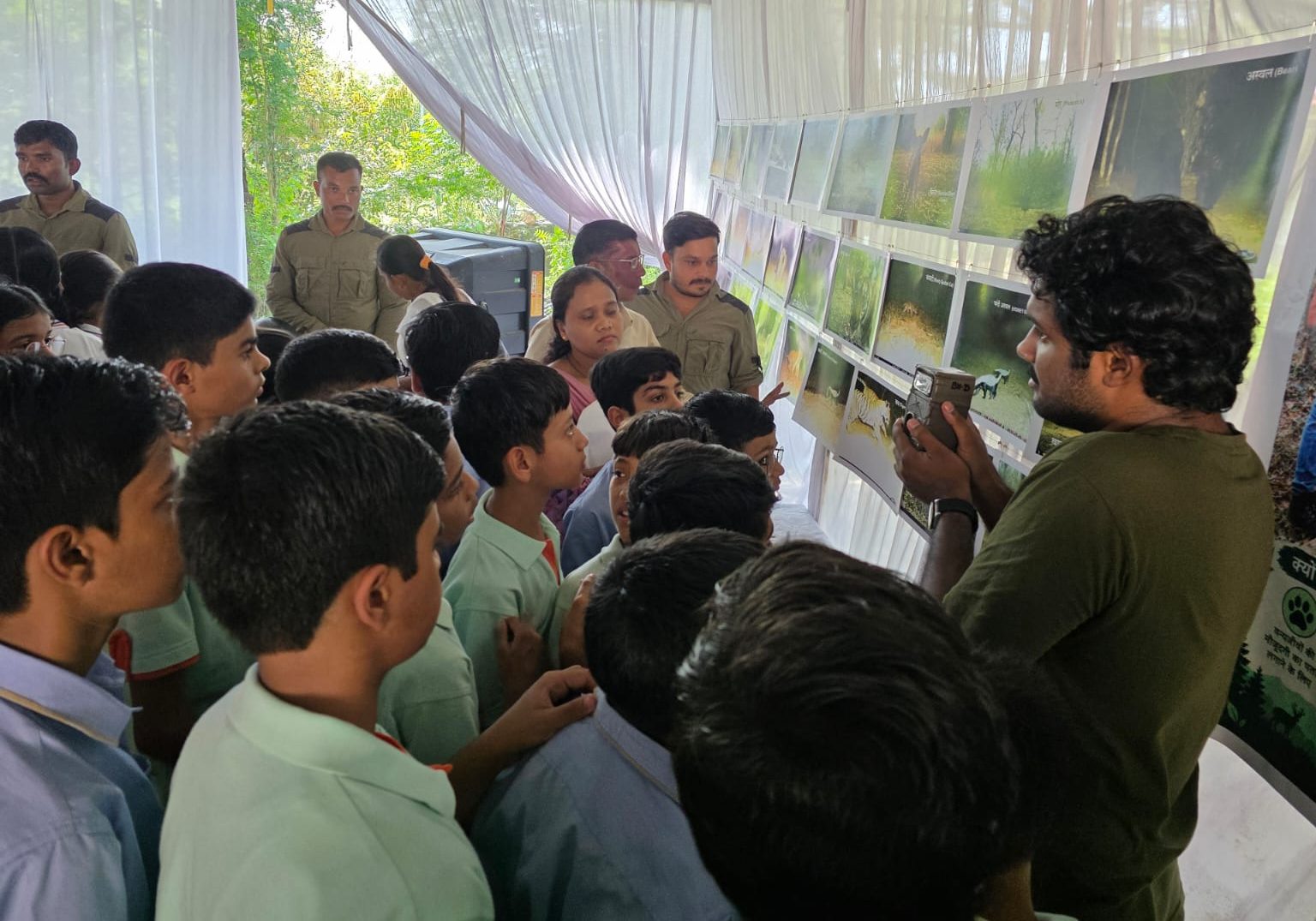
As part of National Wildlife Week 2026, WTI’s Central India Tiger Corridor Project engaged communities and conservation stakeholders through initiatives in Maharashtra and Chhattisgarh. At an event organised by the Nawegaon-Nagzira Tiger Reserve and Gondia Forest Division, women’s self-help groups showcased non-timber forest product-based items, while students learned about wildlife surveys, field research and photography. In Chhattisgarh, the team trained frontline staff of the Kawardha Forest Division in wildlife corridor conservation, field monitoring, patrolling protocols and camera-trap installation, strengthening local capacity for wildlife protection.
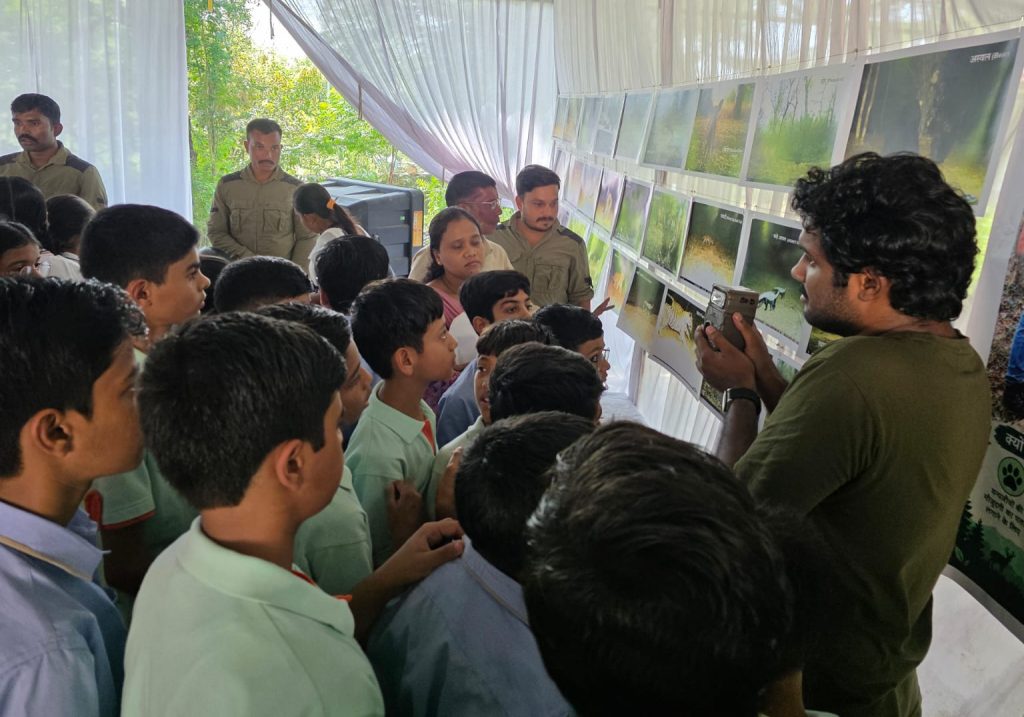
WTI team interacting with students to share insights into biological surveys, field based wildlife research, and wildlife photography
Highlighting Habitat Connectivity in North Bengal
WTI’s GajUtsav project, in collaboration with Jalpaiguri Zilla School, SPOAR and the local Forest Department, organised a two-day programme in collaboration with our Green Corridor Champions (GCC) on the theme Connecting Habitats in North Bengal.
The programme included a classroom session on the region’s biodiversity and human-wildlife coexistence, followed by a guided field visit for 22 students to the Apalchand-Mahananda Elephant Corridor and a tea garden. The initiative aimed to familiarise students with habitat connectivity and the importance of conserving wildlife corridors.
Clean-Up and Plantation Drive at Dihing Patkai National Park
WTI’s White Winged Duck Recovery Project, in collaboration with the Soraipung Forest Department under the Digboi Division with the support of Oracle, organised clean-up and plantation drives in the Soraipung Range of Dihing Patkai National Park, Assam.
Local youths actively participated in the programme, contributing to the cleanliness around the protected area and supporting conservation efforts through plantation activities. The initiative highlighted the role of community participation in protecting natural habitats and promoting environmental stewardship.
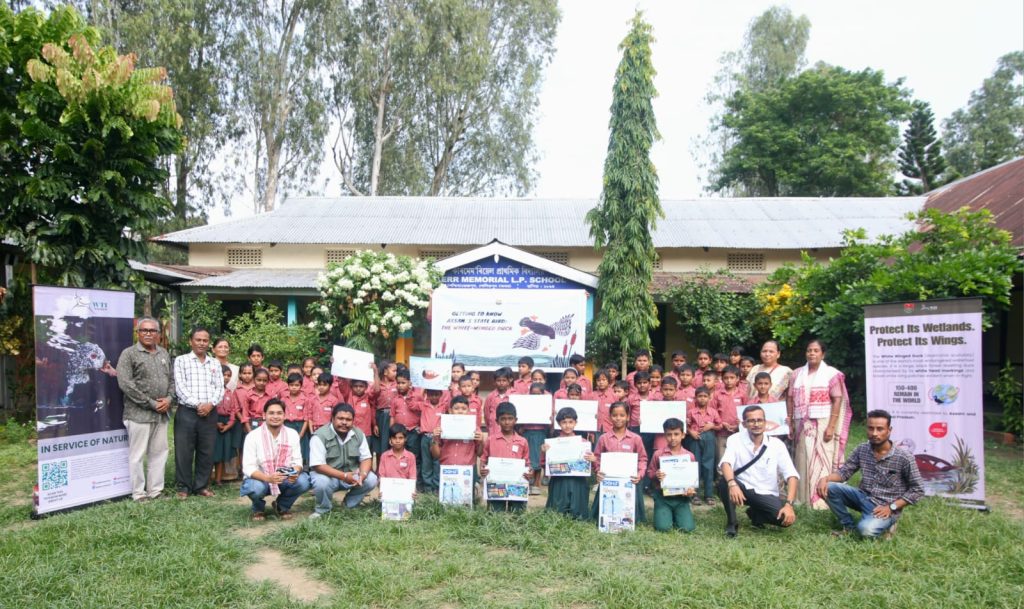
Student outreach programme conducted at Kerr Memorial LP School, Tezpur
Nature Camp Engages Children in Forest Conservation in North Wayanad
The Wayanad Conflict Mitigation Project, conducted a one-day nature camp during the National Wildlife Week for 43 school children from Thrissilery and nearby villages in North Wayanad, Kerala. Held in collaboration with the Forest Department, Tribal Development Department and Thirunelly Grama Panchayat, the camp centred on the theme “കാടില്ലാതെ നാമില്ല” (Without the Forest, There Is No Us).
The programme featured interactive sessions on forest conservation and vultures, experience sharing, a guided forest trail walk, birdwatching and nature-inspired art activities, encouraging children to connect with nature and develop an appreciation for wildlife conservation.
Students Engaged in Wildlife Conservation Activities at Katarniaghat
WTI’s Terai Tiger Project, in collaboration with the Uttar Pradesh Forest Department, organised wildlife conservation activities at Katarniaghat Wildlife Sanctuary, engaging 46 students from schools across different ranges. The programme featured a drawing competition, educational film screening, nature quiz and interactive sessions on human-wildlife coexistence. Students were also recognised for their performances, while the Rapid Response Team highlighted community-led initiatives to mitigate human-wildlife conflict and promote safer coexistence between people and wildlife.
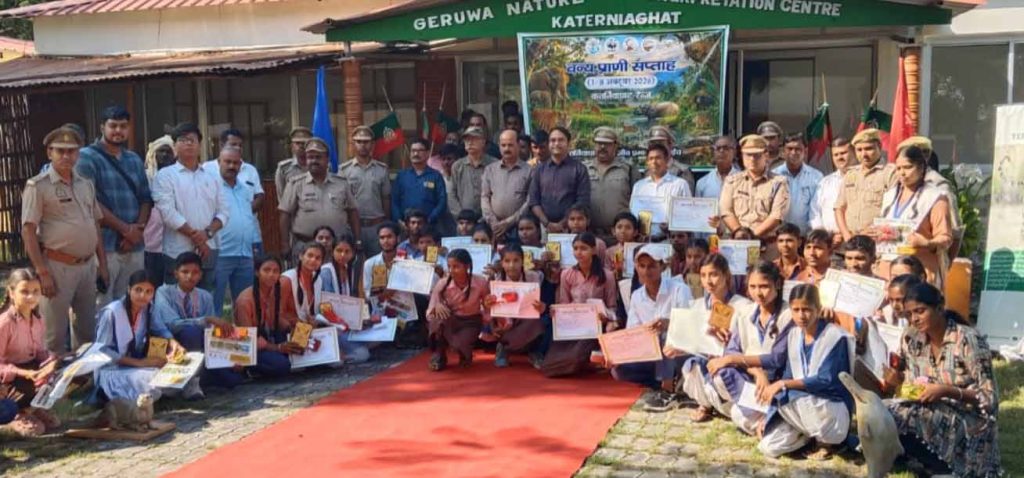
Participants at the drawing competition on the theme of wildlife conservation at the Nature Interpretation Centre in Katerniaghat Range
As National Wildlife Week 2026 concluded, these activities and initiatives reflected WTI’s continued commitment to protecting wildlife, restoring habitats and fostering coexistence between people and nature.
By bringing together communities, students, forest departments and conservation partners, the activities reinforced the importance of collective action in safeguarding biodiversity. In line with this year’s theme, “Connecting Habitats, Thriving Wildlife,” the efforts highlighted that lasting conservation depends on connected landscapes, informed communities and sustained collaboration to ensure a future where both wildlife and people thrive.